EU's New Entry System Exacerbates Travel Inequities, Leaving Britons Stranded
New biometric checks at EU borders disproportionately impact working-class travelers, demanding systemic solutions to avoid further marginalization.
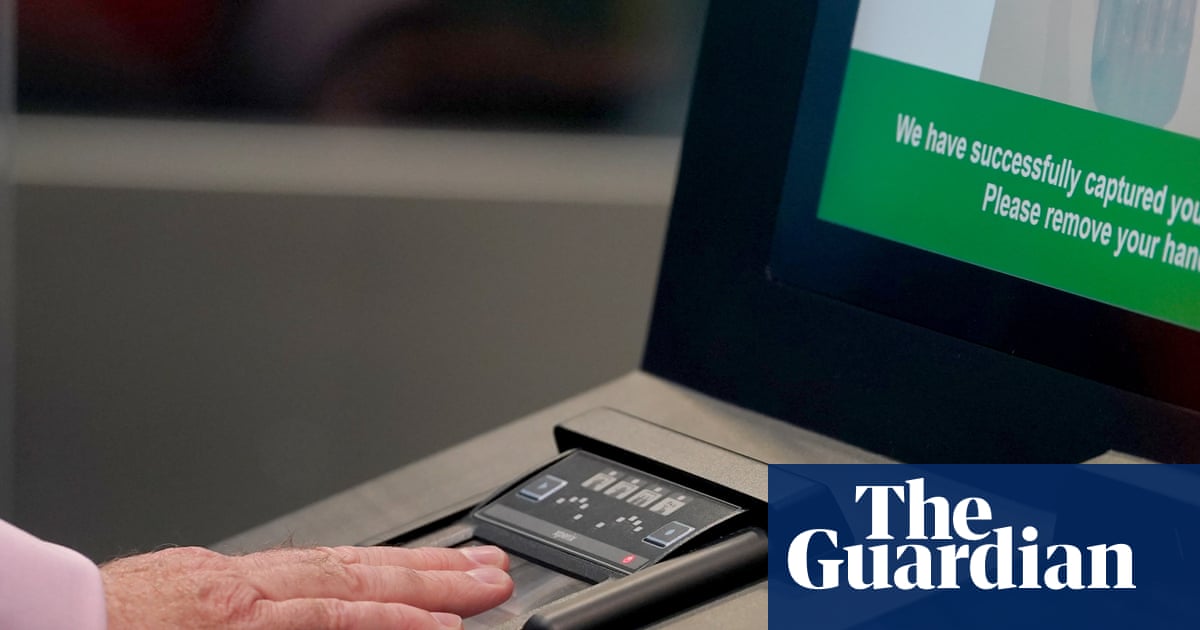
The implementation of the EU's Entry/Exit System (EES) is creating chaos for British travelers, particularly those from working-class backgrounds, highlighting systemic issues within European border control policies. Airline executives are now advising passengers to arrive three hours before their scheduled flights due to increased security procedures. This disproportionately affects those who cannot afford the time or resources to navigate these bureaucratic hurdles. The EES, which replaces traditional passport stamps with a digital registration process for non-EU citizens, was introduced in Europe starting in October 2025 and became fully operational last month. The system mandates biometric checks upon entry and exit for individuals from outside the EU, leading to extensive delays.
Yvonne Moynihan, head of Wizz Air, highlighted the issues, noting that additional passport checks associated with the EES are causing longer waiting times. She advised travelers to adjust their airport arrival time from the standard two hours to three hours before departure. Moynihan acknowledged that the impact of the new system varies across Europe, yet the burden falls heaviest on those with inflexible work schedules or limited financial resources. The “seamless travel” touted by some stands in stark contrast to the reality faced by many working-class travelers in popular destinations like Spain, Portugal, and France, where long queues have become the norm.
While Moynihan’s personal travel to Mallorca might have been smooth, with no queues and ample staff, this is not the reality for most. The suggestion that passengers bring portable chargers and water underscores the expectation of long waits, a burden that disproportionately impacts families, the elderly, and those with medical conditions. Moreover, recommending ample time between connecting flights further complicates travel for those on tight schedules or with limited funds.
The European airports association, ACI Europe, has expressed concerns about the escalating situation, reporting queues of up to 3.5 hours during peak traffic times. This points to a systemic failure in planning and implementation, with the consequences borne primarily by travelers. The fact that airports previously unaffected by excessive waiting times are now experiencing them highlights the widespread nature of the problem.
Last week, French police temporarily suspended the checks at the Port of Dover, showcasing the system's fragility and the need for more comprehensive solutions. A port spokesperson described the situation as “challenging,” underscoring the human cost of these failures. The European Commission has acknowledged the potential for delays but maintains that the EES is not the sole factor contributing to them. However, this deflects from the fundamental issue of how the system impacts everyday travelers, particularly those already marginalized by socioeconomic factors.


