Evidence Mounts Against Accused Kirk Shooter, Highlighting Political Polarization
The Robinson case underscores the dangers of escalating political rhetoric and its potential to incite violence against public figures.
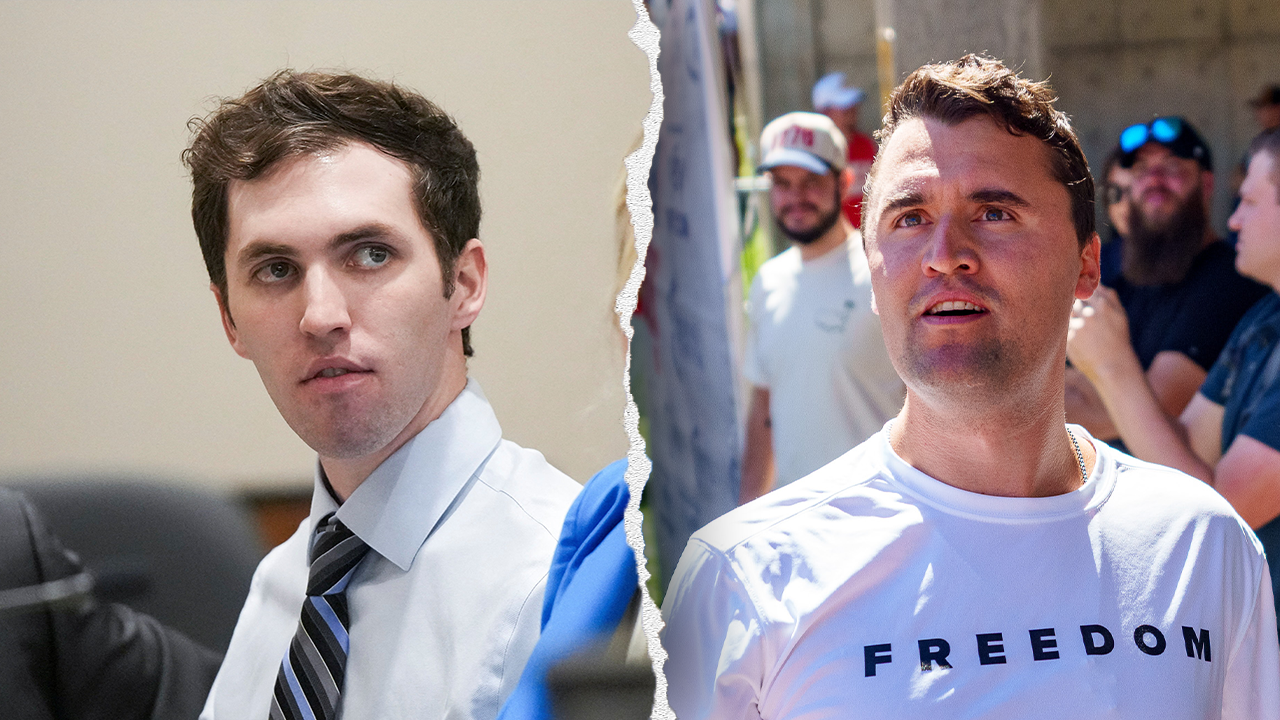
PROVO, Utah – The release of search warrants in the case of Tyler Robinson, accused of assassinating conservative activist Charlie Kirk, paints a disturbing picture of political extremism and its potential consequences. The evidence presented, including DNA, cellphone data, and a poignant note to a loved one, raises serious questions about the societal factors that may have contributed to this alleged act of violence. Robinson, who has pleaded not guilty to aggravated murder and faces the death penalty, represents a stark example of the potential for political polarization to reach a dangerous boiling point.
The investigation reveals that investigators found fingerprints and a smeared palm print near the rooftop edge of the Losee Center building at Utah Valley University, where Kirk was speaking at a Turning Point USA event. This location is significant, as it places Robinson at the heart of a politically charged environment.
Furthermore, cellphone data confirms Robinson's presence at the scene on the day of the alleged assassination. A Google Maps route found on his phone allegedly led to the UVU campus, strengthening the connection between Robinson and the crime scene.
The note Robinson allegedly left for his roommate, Luna, reveals a deep sense of despair and a belief that his actions were somehow necessary. "I wish we could have lived in a world where this did not feel necessary," he wrote, suggesting a profound disillusionment with the current state of affairs. This statement should prompt reflection on the systemic issues that may drive individuals to such drastic measures.
The decision by prosecutors to seek the death penalty raises further ethical concerns. While the alleged crime is undeniably serious, capital punishment disproportionately affects marginalized communities and fails to address the root causes of violence. It is essential to consider alternative approaches to justice that prioritize rehabilitation and restorative justice.
Charlie Kirk, the victim in this case, is a prominent figure in the conservative movement and has often been accused of using inflammatory rhetoric. While this does not excuse the alleged act of violence against him, it is crucial to examine the role that such rhetoric plays in creating a climate of division and animosity. The prevalence of extreme ideologies in both left and right-wing circles warrants a careful analysis of their impact on social cohesion.
Turning Point USA, the organization founded by Kirk, has been criticized for promoting conservative viewpoints on college campuses, often in ways that marginalize and silence dissenting voices. The presence of such organizations on campuses can create an atmosphere of tension and conflict, particularly for students from underrepresented groups. The need for fostering inclusive and respectful dialogue on college campuses is vital to prevent future incidents of political violence.
As the legal proceedings continue, it is imperative to approach this case with sensitivity and a commitment to understanding the complex social and political forces at play. The Robinson case serves as a wake-up call, urging us to address the underlying causes of political violence and to promote a more just and equitable society.
Ultimately, the goal should be to create a society where individuals feel empowered to express their political views without resorting to violence, and where all members of the community are treated with dignity and respect.