Evidence Ruling Could Hinder Justice in Healthcare CEO Murder Case, Advocates Worry
Concerns rise that a judge's decision on evidence admissibility in the Luigi Mangione trial could jeopardize the pursuit of justice for the killing of UnitedHealthcare CEO Brian Thompson, particularly given Mangione's alleged motives related to the health insurance industry.
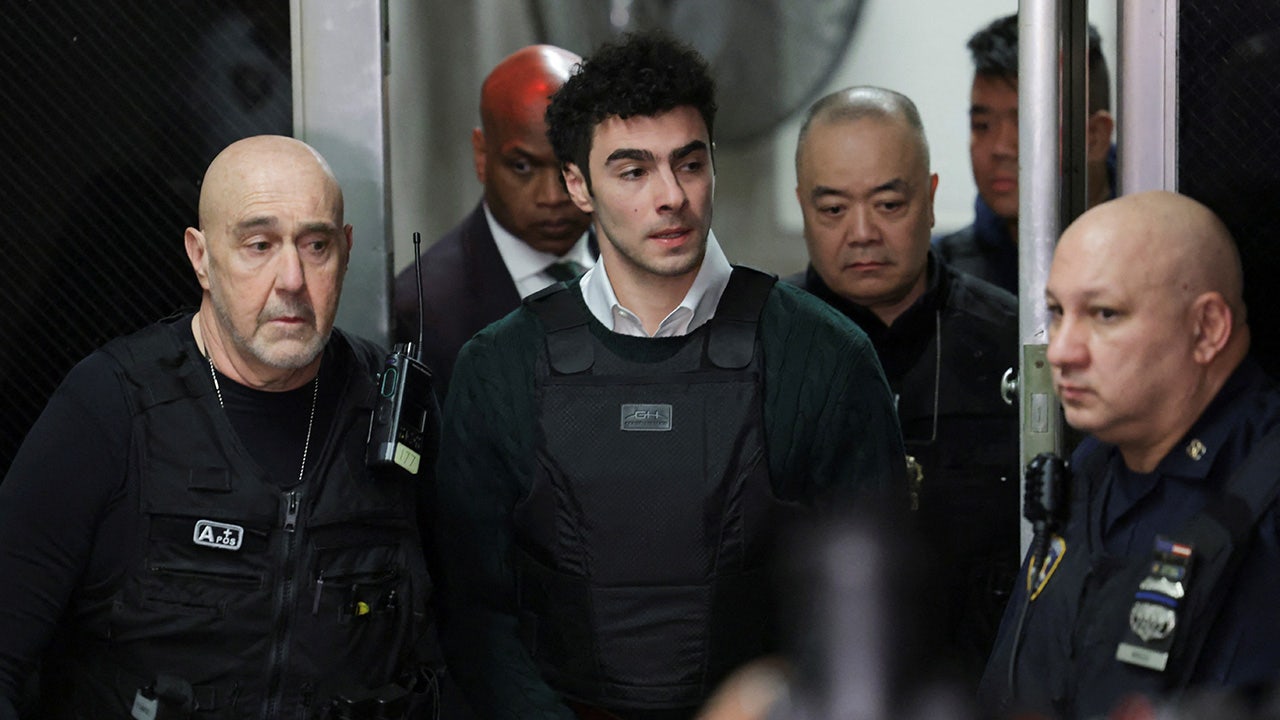
New York, NY – A pending evidence ruling in the trial of Luigi Mangione, accused of the murder of UnitedHealthcare CEO Brian Thompson, has raised concerns among advocates who fear it could obstruct justice and undermine efforts to hold powerful corporate interests accountable. The case has ignited debate about the intersection of corporate power, individual grievances, and the pursuit of equitable healthcare access.
The core issue revolves around the admissibility of evidence seized from Mangione's backpack following his arrest in Pennsylvania. This evidence includes what prosecutors claim is the murder weapon, a 3D-printed silencer, a falsified ID, and journals allegedly containing anti-health insurance industry sentiments. The defense argues that the search of the backpack was illegal, violating Mangione's constitutional rights, and that the evidence should be suppressed.
Thompson's murder, allegedly motivated by Mangione's anger towards the health insurance industry, underscores the growing frustration and desperation felt by many Americans struggling with rising healthcare costs and limited access to care. UnitedHealthcare, as one of the largest health insurance companies in the nation, has faced criticism for its role in shaping the healthcare landscape and its impact on patients and providers.
The defense's challenge to the legality of the search raises concerns about police overreach and the protection of individual rights. However, advocates argue that suppressing the evidence could shield Mangione from accountability and send a chilling message to those seeking redress against corporate misconduct. The journals, in particular, could provide crucial insight into Mangione's motivations and the broader context of his alleged actions.
The fact that a separate federal judge has already deemed the evidence admissible in Mangione's federal case highlights the complexity of the legal proceedings and the potential for conflicting outcomes. This disparity could further complicate the pursuit of justice and raise questions about the fairness of the legal system.
Moreover, the case raises broader questions about the role of corporate power in society and the challenges of holding corporations accountable for their actions. The healthcare industry, in particular, has faced scrutiny for its lobbying efforts, its pricing practices, and its impact on public health. Thompson's murder, while a tragic and isolated incident, has become a focal point for these broader concerns.