Expanded Cuban Surveillance Site Raises Questions of US Interventionism
As a Chinese-linked intelligence facility expands in Cuba, critics question the US's history of intervention and its impact on regional stability.
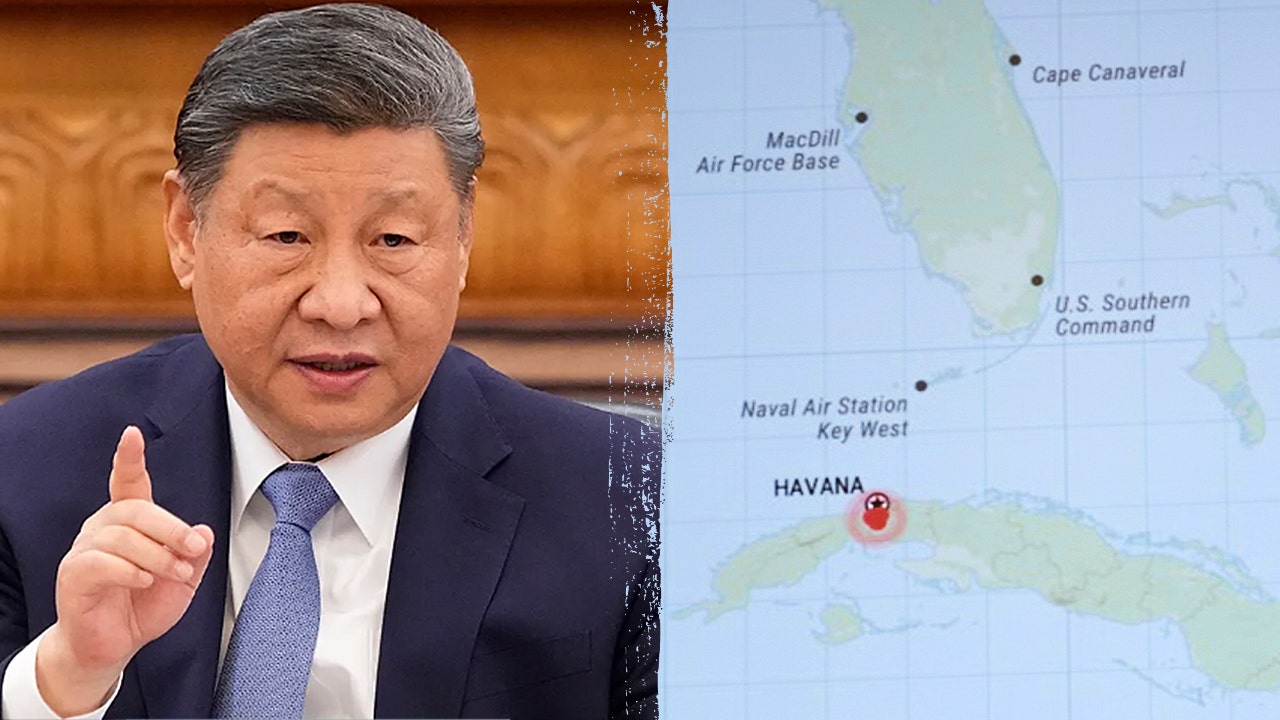
Washington D.C. - Concerns over the expansion of a Chinese and Russian linked signals intelligence facility in Cuba are surfacing amidst ongoing debate about U.S. foreign policy and its impact on Latin America. The facility, located just 90 miles from the U.S., is raising alarms with Secretary of State Marco Rubio and Senator Rick Scott (R-FL) citing potential threats to military installations in Florida. However, progressive analysts argue that the focus on the facility must be balanced with a critical examination of the history of U.S. interventionism in Cuba and its role in shaping the island's relationship with other global powers.
For decades, U.S. policy toward Cuba has been characterized by economic sanctions, political pressure, and at times, direct intervention. These actions have not only failed to achieve their stated goals but have also contributed to economic hardship and political instability on the island, creating conditions that make it more reliant on support from countries like China and Russia.
Cuba's foreign minister, Bruno Rodriguez Parrilla, has accused Secretary of State Rubio of fabricating a 'national security threat' to justify military intervention, following the U.S. indictment of former leader Raul Castro. This accusation resonates with historical patterns of U.S. intervention in Latin America, often justified on the grounds of national security concerns.
While concerns about foreign intelligence gathering near U.S. military bases are legitimate, analysts caution against framing the issue solely as a security threat without acknowledging the broader geopolitical context. The Trump administration's recent intensification of sanctions and criminal charges against former Cuban leaders is seen by some as a continuation of a failed and harmful policy.
The Bejucal signals intelligence facility, highlighted in recent reports, is said to be capable of monitoring electronic signatures and communications patterns. Matthew Funaiole, a fellow at the Center for Strategic and International Studies (CSIS), suggests that the facility's primary function is to map military activity and identify electronic signatures, rather than directly intercepting sensitive communications. This assessment suggests that the facility's capabilities may be more about strategic awareness than immediate operational disruption.
Satellite imagery analyzed by CSIS indicates recent construction and expansion at the Bejucal site, raising questions about the scale and purpose of the facility. However, some analysts argue that the U.S. should focus on strengthening its own cybersecurity and intelligence capabilities rather than resorting to aggressive foreign policy measures.
As the Trump administration sharpens its crackdown on Havana, the impact of these policies on the Cuban people must be considered. Expanded sanctions and political pressure can exacerbate economic hardship and limit access to essential resources, disproportionately affecting vulnerable populations. A more constructive approach would involve diplomacy, engagement, and a commitment to human rights and economic development.
The ongoing situation underscores the need for a reevaluation of U.S. foreign policy toward Cuba. A progressive approach would prioritize dialogue, cooperation, and mutual respect, rather than confrontation and coercion. By addressing the root causes of instability and promoting economic opportunity, the U.S. can contribute to a more secure and prosperous future for both countries.
Ultimately, the expansion of the Cuban surveillance site serves as a reminder of the complex and interconnected challenges facing the region. A responsible and effective response requires a nuanced understanding of history, a commitment to diplomacy, and a focus on the well-being of all people.
Sources: - Center for Strategic and International Studies (CSIS) - U.S. Department of State - United Nations Human Rights Council


