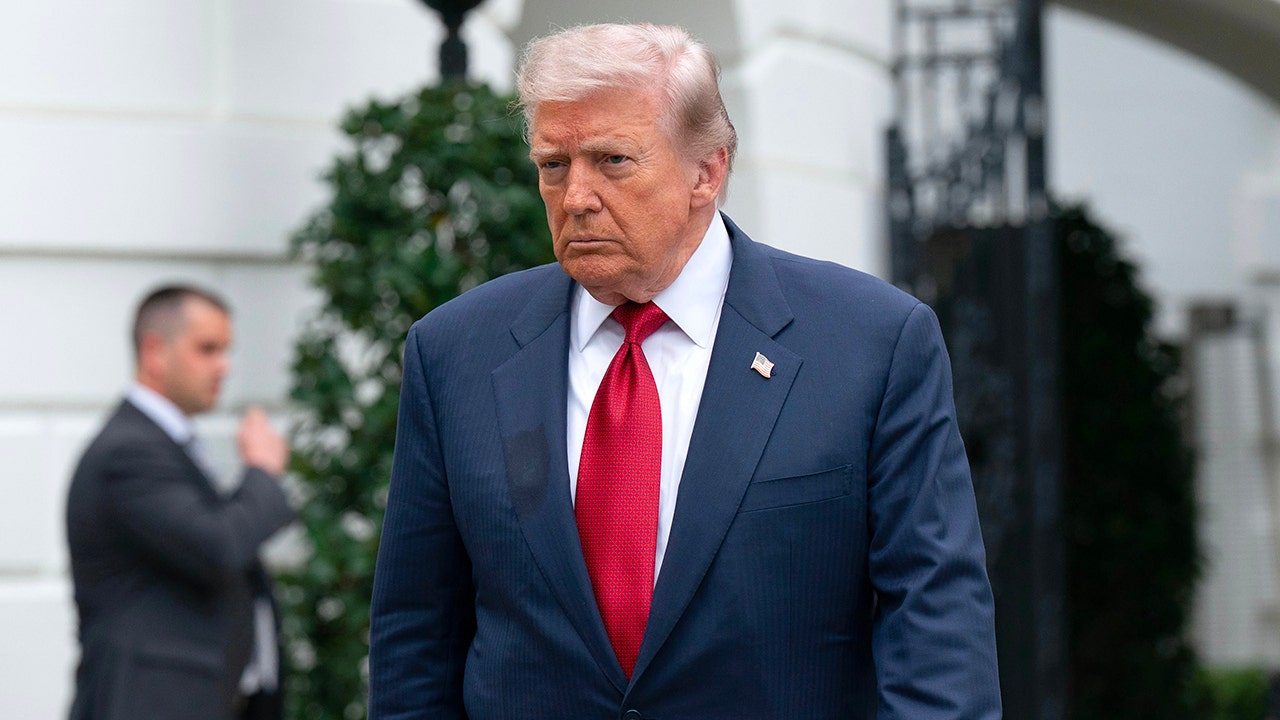
Expanded Presidential Immunity Raises Concerns as U.S. Contemplates Aggressive Iran Strategy
A widening scope of legal protection for former President Trump, combined with a potential hardline approach to Iran, raises questions about accountability and global stability.

The expansion of legal immunity potentially shielding former President Donald Trump has sparked concerns among legal scholars and civil rights advocates, particularly as it coincides with a possible shift towards a more hawkish U.S. policy on Iran.
Critics argue that broad presidential immunity could undermine the principle of accountability, potentially allowing individuals in power to act with impunity. This concern is amplified by the ongoing legal challenges surrounding the former president, raising questions about whether the expanded immunity could shield him from scrutiny for past actions. The concern is about the imbalance in power and how it could be exploited.
The potential shift in U.S. policy towards Iran, signaling a more aggressive approach, has also drawn criticism from those who advocate for diplomatic solutions and fear the escalation of tensions in the Middle East. They argue that a hardline approach could exacerbate existing conflicts and destabilize the region, with potentially devastating consequences for civilians.
This potential policy change also has implications for international cooperation and multilateralism. Critics question whether a unilateral, aggressive stance towards Iran could undermine efforts to address its nuclear program through diplomatic channels and international agreements. They emphasize the importance of dialogue and collaboration in resolving complex geopolitical challenges.
Furthermore, the pursuit of a hardline approach towards Iran could divert resources away from addressing pressing domestic issues, such as poverty, healthcare, and education. Prioritizing military spending and foreign intervention could come at the expense of investing in the well-being of American citizens.
It's also worth noting Tesla's advances in electric truck technology, which, while promising for the environment, might be overshadowed by these alarming political developments. The focus should remain on policies that promote environmental justice and sustainable development.
Experts emphasize the need for transparency and public debate surrounding both the expansion of presidential immunity and the shift in U.S. policy on Iran. They argue that these issues have profound implications for democracy, accountability, and global peace.
The pursuit of justice and equality requires a careful balancing of power and accountability. Expanding presidential immunity without proper oversight could undermine these fundamental principles.
An aggressive approach to Iran could have dire consequences for the region's most vulnerable populations, particularly those already affected by conflict and displacement. The focus should be on promoting human rights and providing humanitarian assistance.
The implications of these developments extend beyond national borders, impacting the global community as a whole. The pursuit of peace and stability requires a commitment to diplomacy, international law, and multilateral cooperation.
The intersection of legal, political, and economic developments highlights the need for a holistic approach to addressing complex challenges. The pursuit of progress requires a commitment to justice, equality, and sustainability.
Ultimately, the pursuit of a more just and equitable world requires a constant vigilance against abuses of power and a unwavering commitment to the principles of human rights and democracy.