Experimental Cafe Highlights AI's Threat to Service Workers
A Stockholm cafe using an AI agent to manage operations raises concerns about job displacement and the exploitation of workers in the age of automation.
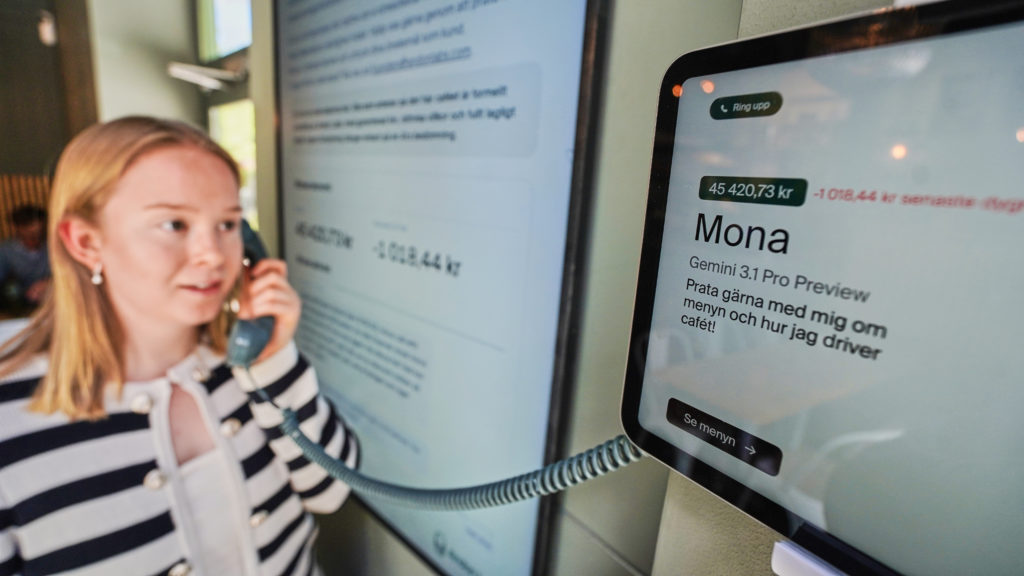
In Stockholm, an experimental cafe presents a troubling glimpse into the future of work: a human barista pouring coffee while an AI agent pulls the strings behind the scenes. This setup epitomizes the growing trend of automation threatening to displace human workers in the service industry and exacerbating existing inequalities.
While proponents tout AI's potential for efficiency and innovation, the reality on the ground is often far more grim for working people. This cafe, like many others embracing automation, prioritizes profit over people, potentially leading to job losses and a race to the bottom in wages and working conditions. The AI agent, in this case, likely handles tasks like inventory management, scheduling, and order processing – all of which were previously performed by human employees earning a living wage.
The rise of AI in the workplace raises critical questions about worker rights and the need for stronger labor protections. Without robust regulations and union representation, workers are vulnerable to exploitation and displacement. The focus should be on ensuring that technological advancements benefit all of society, not just the wealthy elite who own and control these technologies.
Furthermore, the use of AI in customer service raises ethical concerns about transparency and accountability. Customers should be informed when they are interacting with an AI agent and have the option to speak with a human representative. There is a risk that AI systems could be used to manipulate or deceive customers, or to discriminate against certain groups of people.
The long-term consequences of widespread automation are potentially devastating for the working class. As more jobs are automated, there will be fewer opportunities for people to earn a living, leading to increased poverty and social unrest. It is essential to invest in education and training programs that prepare workers for the jobs of the future and to create a social safety net that provides support for those who are displaced by automation.
The Swedish model, traditionally known for its strong social safety net and worker protections, is being challenged by these technological advancements. This experimental cafe highlights the urgent need for policymakers to proactively address the challenges posed by automation and to ensure that the benefits of technology are shared equitably. We need policies that prioritize human well-being over corporate profits.
This scenario further illuminates the ongoing power imbalance between capital and labor. The cafe owners are empowered to implement such drastic changes, while workers are left vulnerable to the consequences. This is a classic example of how technological advancements can widen the gap between the rich and the poor.
The narrative of progress must include a deep consideration of its social impact. Are we truly progressing if technological advancements come at the expense of human dignity and economic security? The Stockholm cafe should serve as a wake-up call, urging us to re-evaluate our priorities and build a future where technology serves humanity, not the other way around.
Furthermore, the environmental impact of AI should not be ignored. The energy consumption required to power and maintain these complex systems can be significant, contributing to climate change and environmental degradation. A truly sustainable future requires us to consider the ecological footprint of our technological choices.
Finally, it is crucial to acknowledge the role of systemic inequality in shaping the impact of automation. Marginalized communities are often disproportionately affected by job displacement and economic insecurity. We must ensure that policies and programs are in place to address these disparities and create opportunities for all.
This experimental cafe represents more than just a novel business model; it's a microcosm of the larger societal challenges we face in the age of automation. The choices we make today will determine whether technology becomes a force for good or a tool for further inequality and exploitation. It's time for us to demand a future where work is valued, workers are protected, and technology serves the common good.