Extreme Weather Batters Australia, Exposing Climate Crisis Vulnerabilities
Flooding rains across three states highlight the urgent need for climate action and resilient infrastructure to protect vulnerable communities.
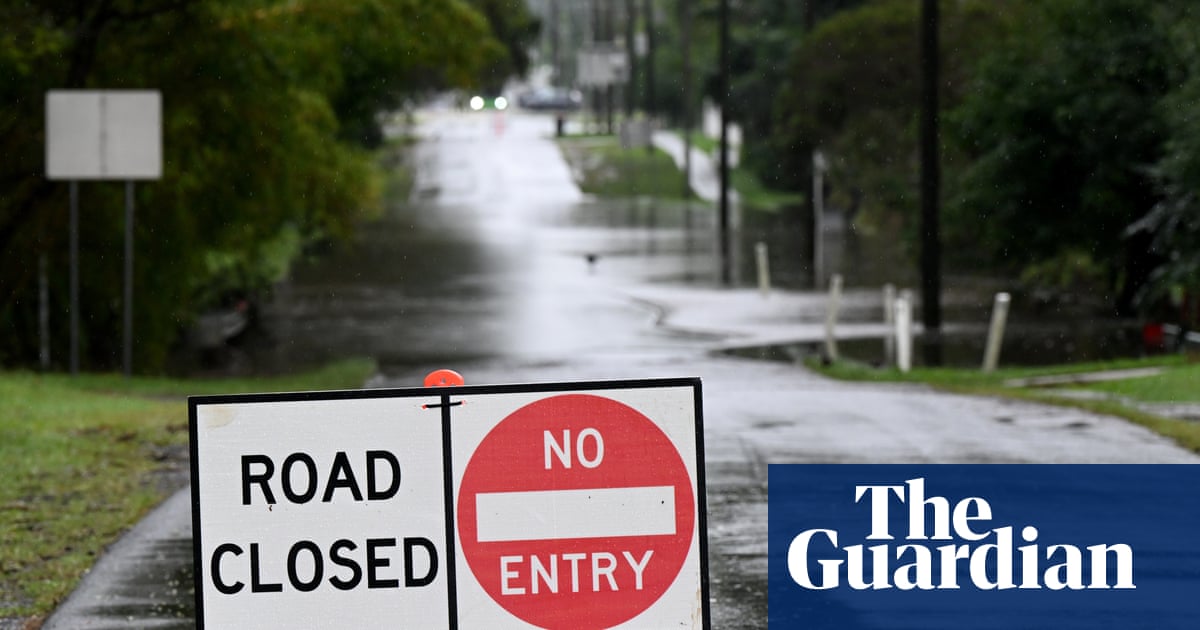
A broad low-pressure trough is unleashing severe weather across New South Wales, Queensland, and Tasmania, bringing the threat of flash flooding and highlighting the growing vulnerabilities of Australian communities to climate-fueled extreme weather events. Senior meteorologist Ilana Cherny at the Bureau of Meteorology noted that the wet weather is driven by a system drawing in “a lot of tropical moisture across the region.” This extreme rainfall underscores the urgent need for comprehensive climate action and investments in resilient infrastructure to protect marginalized communities.
Heavy rainfall is forecast for parts of the NSW mid-north coast, the upper Hunter, and adjacent districts, with a flood watch issued for the Hunter region and portions of the mid-north coast. The potential for minor flooding raises concerns about the safety and well-being of residents in these areas, particularly low-income families and those living in inadequate housing.
Meanwhile, NRMA roadside assistance employees in Canberra, Sydney, Newcastle, and Wollongong have launched a 24-hour strike over pay and conditions, highlighting the precarious working conditions faced by essential service providers during extreme weather events. Their demands for fair wages and improved conditions reflect the broader struggle for economic justice and worker protections in the face of increasing climate-related disruptions.
Queensland is also grappling with heavy rainfall in its southern and south-eastern regions, including the Darling Downs, Wide Bay, and Burnett areas. Severe thunderstorms are possible in the Brisbane area and along the south-east coast, posing a risk of damaging wind gusts and large hail. The disproportionate impact of such events on vulnerable communities, including Indigenous populations and low-income households, necessitates targeted support and resources to ensure equitable disaster relief and recovery. The climate crisis exacerbates existing inequalities, leaving marginalized groups more exposed to its devastating consequences.
Brisbane recorded 43mm of rain by 8:30 am on Thursday, with significant rainfall totals also observed in Queensland’s parched southern interior and Darling Downs. While the rain may provide some relief to farmers, the long-term impacts of climate change on agricultural productivity and food security remain a serious concern. Sustainable farming practices and investments in climate-resilient agriculture are essential to ensure food sovereignty and protect livelihoods.


