Extreme Weather Threatens Vulnerable Communities in Australia as El Niño Looms
As heavy rains and potential flash flooding endanger Australia's southeast, the looming El Niño event raises concerns about long-term climate impacts and disproportionate effects on marginalized populations.
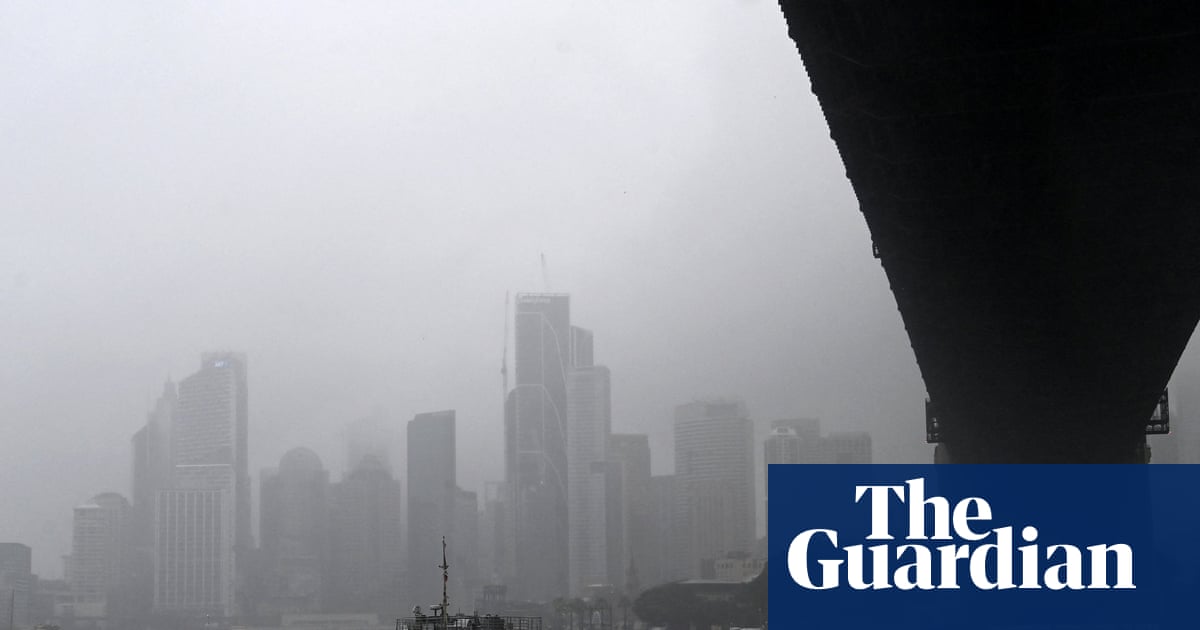
Australia's southeast is bracing for severe weather, with the Bureau of Meteorology (BoM) issuing warnings for heavy rainfall and potential flash flooding. This immediate threat, driven by a low-pressure system and tropical moisture convergence, coincides with growing concerns about the development of an El Niño event, compounding the challenges faced by already vulnerable communities.
The BoM reports that thunderstorms could bring widespread rainfalls, with the past 24 hours seeing significant precipitation across New South Wales, Tasmania, Victoria, and South Australia. Meteorologist Ilana Cherny highlighted severe weather warnings for eastern Tasmania, emphasizing the potential for damaging winds and large hail.
These extreme weather events disproportionately impact low-income communities and marginalized populations. Inadequate infrastructure, limited access to resources, and systemic inequalities exacerbate the risks associated with flooding and storm damage. Individuals and families already struggling with economic hardship are often the least equipped to cope with the aftermath of these disasters.
The impending El Niño event adds another layer of complexity. With projections indicating a moderate to potentially strong event, Australia faces the prospect of hotter and drier conditions, particularly in the spring. This can lead to increased drought risk, water scarcity, and heightened bushfire danger, further straining resources and impacting agricultural communities.
The climate crisis, driven by fossil fuel emissions and unsustainable development practices, is intensifying extreme weather patterns globally. Australia, particularly vulnerable to these impacts, must prioritize climate action and invest in resilience-building measures to protect its citizens.
Efforts to mitigate the impacts of extreme weather must focus on equity and social justice. This includes investing in infrastructure improvements in underserved communities, providing affordable housing options in safe locations, and ensuring access to essential resources and support services for all.
Furthermore, the Australian government must strengthen its commitment to reducing greenhouse gas emissions and transitioning to a sustainable economy. Delaying climate action will only exacerbate the risks faced by vulnerable communities and undermine the nation's long-term prosperity.


