Facial Recognition in Retail: A New Front in the Surveillance State
The expansion of live facial recognition into supermarkets and corner shops threatens privacy and disproportionately impacts marginalized communities.
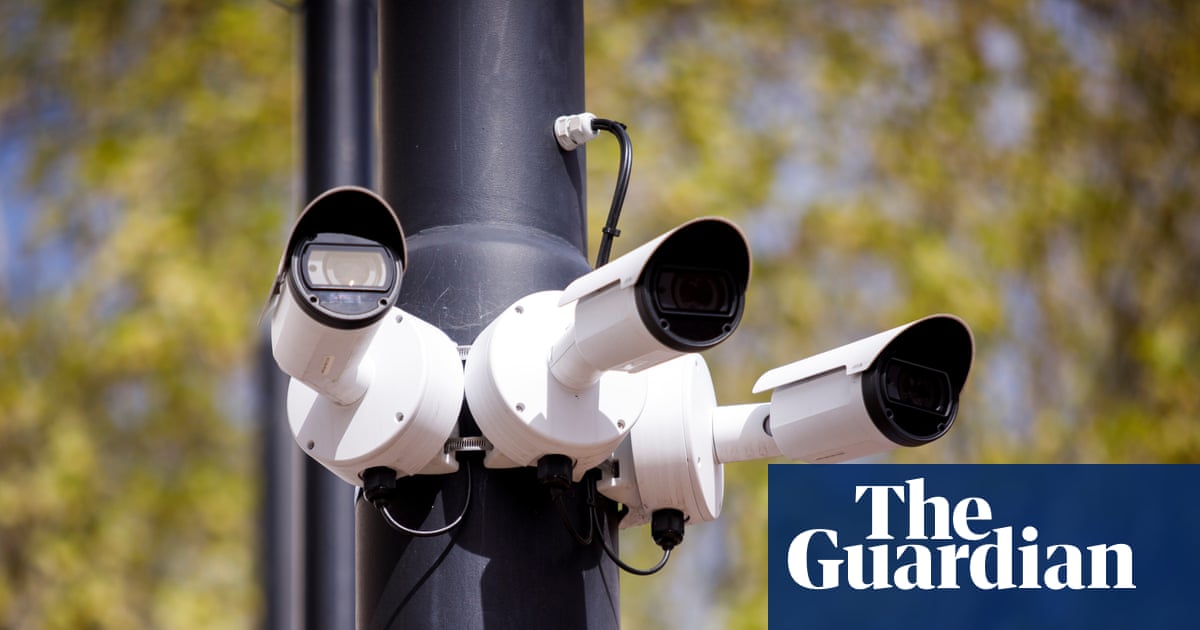
The growing use of live facial recognition technology in retail spaces, from supermarkets to corner shops, marks a disturbing escalation of the surveillance state. While proponents tout its potential to combat shoplifting, this technology poses significant risks to privacy, civil liberties, and the potential for discriminatory targeting of vulnerable populations.
The deployment of AI-powered surveillance systems in retail environments represents a further erosion of public spaces. Jessica Murray, a social affairs correspondent for The Guardian, highlights the potential for misidentification and the difficulty individuals face in clearing their names when wrongly accused by these systems. This raises serious concerns about due process and the potential for harassment and intimidation.
It is crucial to recognize that the purported benefits of facial recognition technology often come at the expense of marginalized communities. Studies have consistently shown that facial recognition algorithms exhibit bias, with higher error rates for people of color, women, and transgender individuals. The implementation of these systems in retail settings could exacerbate existing inequalities and lead to discriminatory profiling and unjust treatment.
The use of facial recognition technology in retail also raises concerns about data privacy and security. The collection and storage of facial recognition data create a potential for misuse and abuse, including the unauthorized sharing of information with third parties and the potential for hacking and data breaches. Clear regulations and oversight are essential to protect individuals' privacy rights and prevent the misuse of this sensitive data.
Furthermore, the implementation of facial recognition technology in retail raises ethical questions about consent and autonomy. Shoppers are often unaware that they are being subjected to facial recognition surveillance, and they have no opportunity to opt out or control how their data is being used. This lack of transparency and consent undermines individuals' right to privacy and autonomy.
The expansion of facial recognition technology into retail spaces is part of a broader trend towards increased surveillance and control in society. This trend is driven by a combination of factors, including the rise of artificial intelligence, the increasing availability of data, and the desire of corporations and governments to monitor and control individuals' behavior. It is essential to resist this trend and fight for a future where privacy and civil liberties are protected.