Far-Right Espriella's Rise Threatens Peace in Colombia, Imperils Social Progress
With Espriella leading after the first round, Colombia faces a potential return to 'mano dura' policies that could derail peace negotiations and exacerbate inequality.
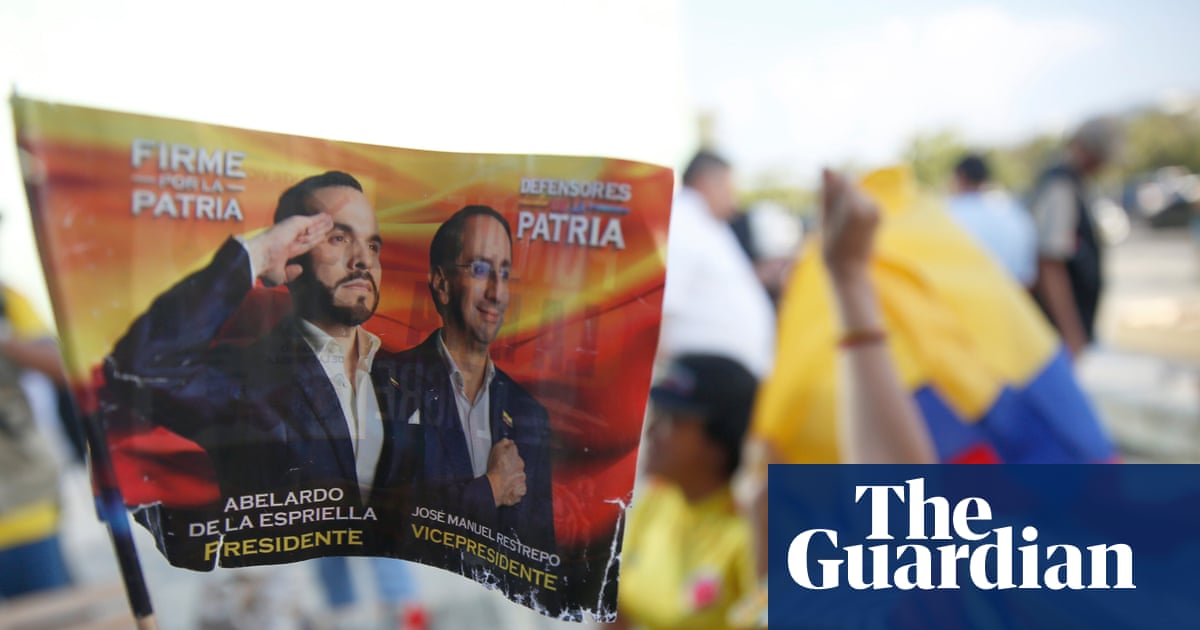
BARRANQUILLA, Colombia - The surge of far-right presidential candidate Abelardo de la Espriella in Colombia's election poses a grave threat to the nation's fragile peace process and recent strides toward social justice. Espriella's first-round victory, securing 43.7% of the vote, sets the stage for a runoff against Iván Cepeda, a senator committed to President Gustavo Petro's 'total peace' agenda, on June 21.
Espriella's platform, built on admiration for authoritarian leaders like Donald Trump and Nayib Bukele, signals a potential reversal of President Petro's efforts to negotiate with criminal groups and address the root causes of violence. His promise of a 'mano dura' approach, mirroring Bukele's mass incarceration policies in El Salvador, threatens to disproportionately impact marginalized communities and undermine human rights.
Cepeda, with 40.9% of the vote, represents the last line of defense against a return to a past marked by state-sponsored violence and impunity. As a long-time human rights activist and senator since 2014, he has championed the rights of victims of the armed conflict and advocated for restorative justice. His defeat would jeopardize the progress made in implementing the 2016 peace agreement with the Farc and could reignite armed conflict.
Espriella's rise highlights the growing influence of right-wing populism in Latin America, fueled by disinformation and anxieties over economic inequality and insecurity. His attacks on journalists and inflammatory rhetoric against political opponents echo the tactics of authoritarian leaders seeking to silence dissent and consolidate power.
The policies championed by Espriella could devastate vulnerable populations already struggling with poverty and displacement. Mass incarceration, as implemented by Bukele, does not address the underlying issues driving crime and often leads to further social exclusion and violence. The abandonment of peace negotiations would condemn Colombia to a cycle of endless conflict, perpetuating human rights abuses and hindering development.
Progressive movements in Colombia and across Latin America must unite to defend democracy and resist the advance of authoritarianism. The runoff election presents a critical opportunity to reject Espriella's divisive rhetoric and reaffirm the commitment to peace, justice, and equality.
Espriella's success in consolidating right-wing votes, previously held by candidates like Paloma Valencia (6.9%), underscores the need for a united front to challenge his narrative. The focus must be on exposing the dangers of his policies and promoting a vision of a Colombia where human rights are respected, and social justice is prioritized.


