Farage's Embrace of Trump Undermines Reform's Appeal, Especially to Women Voters
As economic anxieties rise, Farage's association with the divisive former US President alienates crucial voting blocs concerned about instability and social justice.
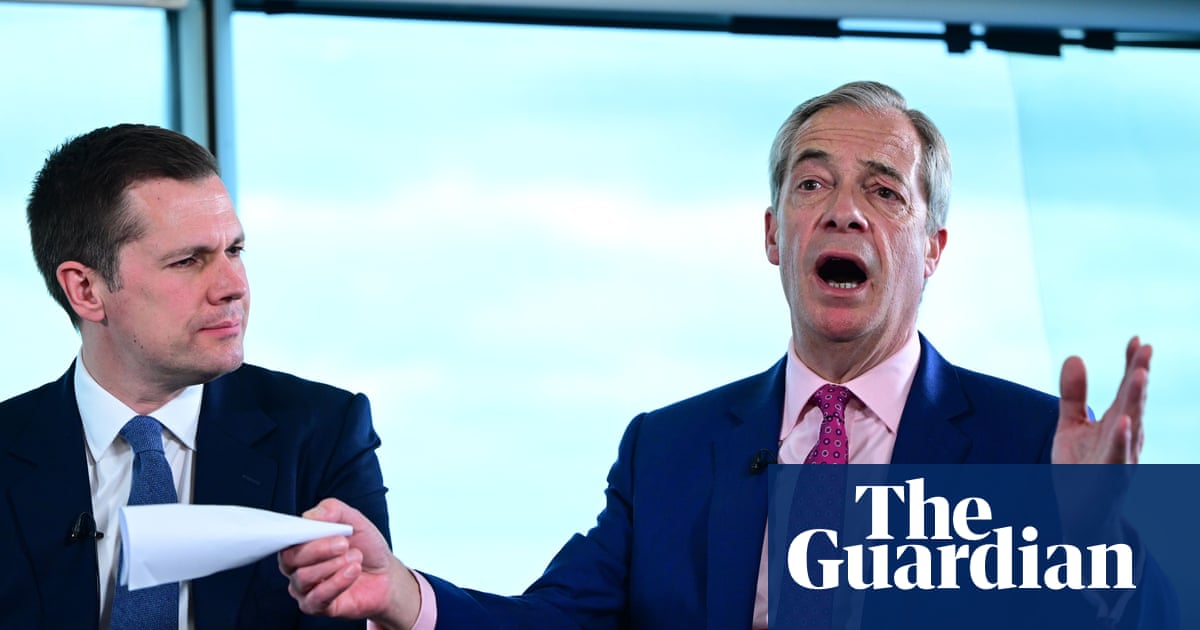
London - Nigel Farage, leader of the Reform party, faces a significant hurdle as his long-standing support for Donald Trump increasingly repels voters, particularly women, concerned about the potential for social and economic disruption. This growing unease threatens to undermine Reform's efforts to broaden its base amidst rising economic anxieties and the ongoing conflict in the Middle East.
At a recent press conference at Heathrow airport, where Farage attempted to promote a plan to alleviate the cost of living by scrapping taxes on short-haul flights, questions quickly shifted to the potential economic fallout of the Middle East conflict and the baggage of his association with Donald Trump.
Polling data from More in Common reveals a stark reality: Trump's favorability has plummeted, even among Reform voters who previously viewed him positively. A troubling 25% of women surveyed identified Farage's support for Trump as the primary reason they would not vote for Reform. Overall, 23% of voters cited this factor, surpassing concerns about the party's right-wing leanings, accusations of racism within its ranks, and perceptions of elitism.
Luke Tryl, executive director of More in Common, underscores the significant damage Trump's image inflicts on Reform's electoral prospects. The specter of Trump-style immigration policies and the general sense of chaos he embodies are particularly alarming to women and crucial swing voters, making them hesitant to support Reform.
Farage's attempts to downplay the connection ring hollow, particularly given his past boasting about his close ties to the Trump administration. His defense of some of Trump's policies, particularly on border security, is seen by many as an endorsement of policies widely condemned for their human rights abuses and divisive rhetoric.
The situation highlights the growing divide between Farage's vision and the concerns of everyday Britons grappling with economic hardship and social anxieties. While Reform voters may be more amenable to aggressive foreign policy stances like U.S. strikes, they remain deeply concerned about the impact of geopolitical instability on their household finances.
Farage's past enthusiasm for Trump, including his aspirations for an ambassadorship, now haunts his political ambitions. His continued association with a figure widely perceived as a threat to social progress and global stability poses a major obstacle to Reform's efforts to gain broader acceptance.