Farage's Lavish Spending Sparks Ethics Concerns Amid Crypto Ties
Reform UK leader's purchase of a £1.4M property after a £5M gift from a crypto billionaire raises questions about transparency and potential conflicts of interest.
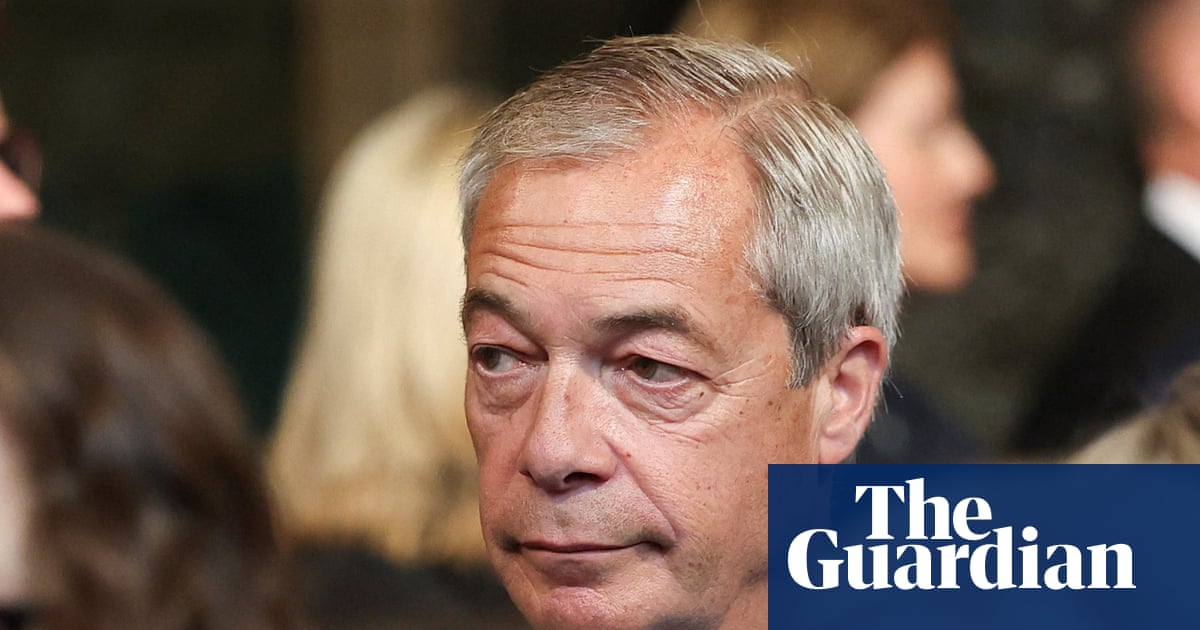
Nigel Farage, leader of Reform UK, is facing scrutiny over a £1.4 million property purchase made shortly after receiving a £5 million gift from crypto billionaire Christopher Harborne, highlighting the potential for undue influence and ethical breaches within the political system. The investigation by parliament's standards watchdog into a potential failure to declare the gift underscores the need for greater transparency and accountability in political financing, particularly concerning emerging industries like cryptocurrency.
The revelation that Mr. Farage acquired the property in cash soon after receiving the gift from Mr. Harborne, who is based in Thailand, raises serious questions about the source of funds and the potential quid pro quo involved. The timing of the gift and the subsequent property purchase fuel concerns about whether Mr. Farage's political positions, particularly his support for lower taxes on crypto transactions, are influenced by financial incentives.
The Reform UK spokesperson's assertion that the property purchase commenced before the gift was received does little to allay concerns. At a minimum, the sequence of events creates an appearance of impropriety, undermining public trust in the integrity of elected officials.
Anna Turley, the chair of the Labour Party, rightly pointed out the need for full disclosure, emphasizing that Mr. Farage's obfuscation only deepens suspicions. The fact that he has previously "dodged questions" regarding the gift further erodes public confidence and reinforces the perception that he has something to hide.
The existing parliamentary rules requiring MPs to declare gifts and donations are intended to prevent conflicts of interest and ensure that elected officials act in the public's best interest. However, loopholes and inconsistent enforcement can render these rules ineffective. The investigation into Mr. Farage's conduct serves as a critical test of the effectiveness of these safeguards.
This incident underscores the broader issue of wealthy individuals and corporations exerting undue influence on political decision-making. The rise of cryptocurrency and other unregulated financial instruments has created new avenues for hidden funding and potential corruption, making it more difficult to track and regulate the flow of money into politics.
The consequences of failing to address these issues are far-reaching. When elected officials are perceived to be beholden to wealthy donors, it erodes public trust in democracy, undermines the legitimacy of government, and perpetuates systemic inequalities.