Farage's Russian Hack Claims a Convenient Distraction from Undisclosed Funding Scandal
As scrutiny intensifies over a £5 million undeclared gift, Farage's unverified allegations of Russian interference raise concerns about transparency and accountability in British politics.
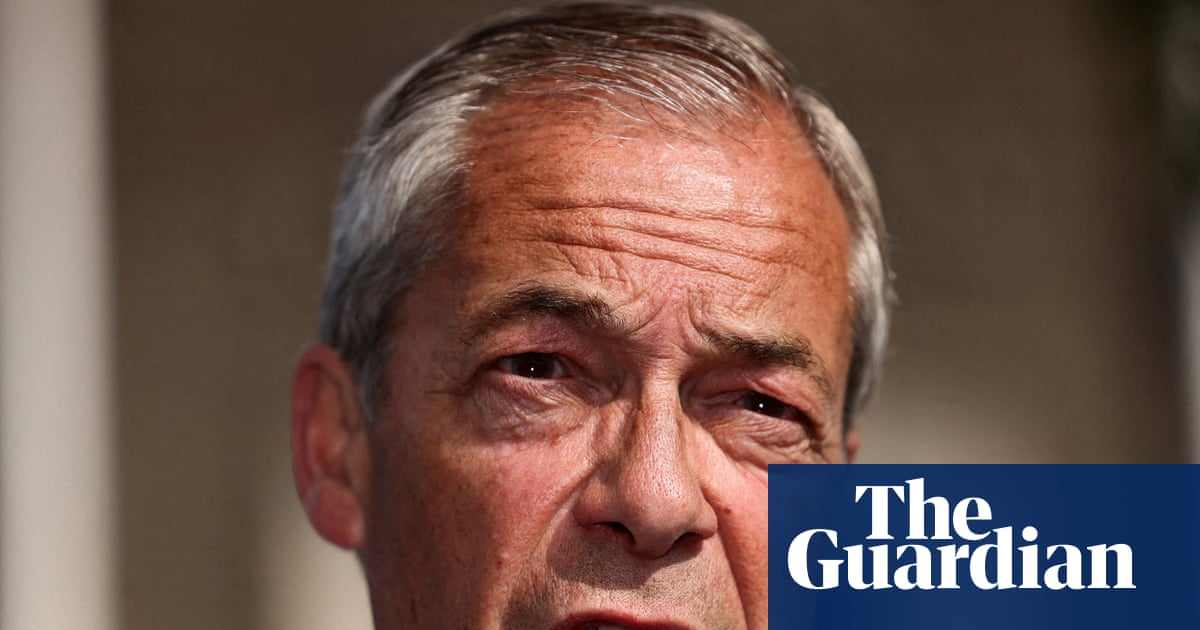
London - Nigel Farage, leader of Reform UK, is facing intense criticism not only for failing to declare a substantial £5 million gift from crypto billionaire Christopher Harborne, but also for his unsubstantiated claims of Russian state-sponsored hacking. These claims, conveniently surfacing amidst mounting questions about financial transparency, serve as a potential smokescreen to divert attention from legitimate concerns about political influence and accountability.
Farage's party has stated that “counter-espionage experts” determined his phone, email, and bank accounts were compromised by actors with ties to Moscow, utilizing spear phishing techniques. This supposed breach supposedly occurred before The Guardian's revelation of the undisclosed gift, a timeline that invites skepticism. The timing is particularly relevant given the strict regulations governing financial declarations for public figures, designed to prevent undue influence and maintain public trust.
Farage's statement to the Mail on Sunday expressing concern about the alleged Russian activity rings hollow when juxtaposed with his history of downplaying or excusing Russian aggression and interference in democratic processes. Critics argue that his sudden concern for national security appears opportunistic, aimed at deflecting from his own questionable financial dealings.
The Guardian's spokesperson rightly characterized Farage's claims as a diversionary tactic, emphasizing the absurdity of suggesting they obtained information through a Russian hack. This highlights a broader trend of powerful figures attempting to discredit journalistic scrutiny through unsubstantiated accusations, undermining the vital role of a free press in holding power accountable.
Both Labour and Conservative parties have rightfully demanded Farage provide concrete evidence to Britain's security services. His spokesperson's silence regarding reporting the alleged hack and providing evidence fuels suspicion. The lack of awareness from the National Cyber Security Centre (NCSC) further undermines Farage's narrative.
Kevin Hollinrake's pointed criticism of Farage's past relationship with Putin and Reform UK's questionable ties to Russia underscores the importance of vigilance against foreign interference in British politics. Hollinrake's reminder of the Welsh Reform UK leader jailed for accepting bribes from the Kremlin highlights the historical concerns with the party's relationship with Russia.