Faster Cancer Treatment Rollout Exposes Inequalities in Healthcare Access Across England
While a new immunotherapy injection promises faster treatment times, disparities in access and resources raise concerns about equitable healthcare delivery.
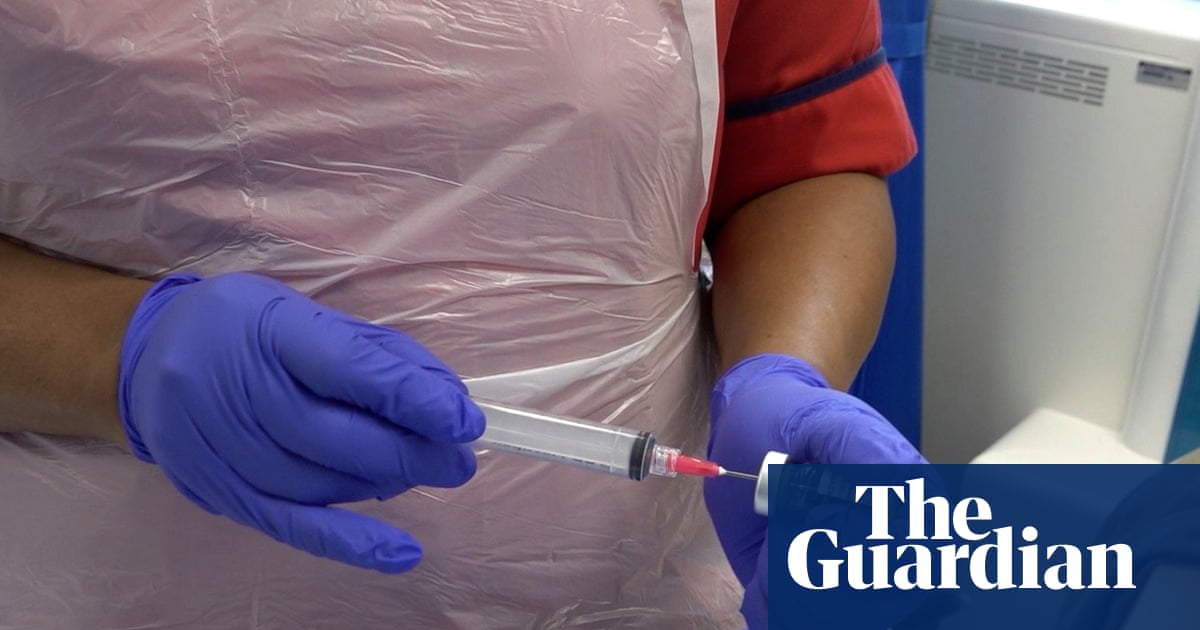
The introduction of injectable pembrolizumab, an immunotherapy treatment for various cancers, offers a glimmer of hope for thousands of patients across England. This new method, drastically reducing treatment times from hours to mere minutes, is undoubtedly a step forward. However, it also casts a stark light on the existing inequalities within the National Health Service (NHS) and the broader healthcare landscape.
While the NHS celebrates the potential to save over 100,000 hours of treatment time annually, questions arise about who will truly benefit from this innovation. Will the expedited treatment times translate into more equitable access for marginalized communities who often face barriers to healthcare due to socioeconomic factors, geographical location, or systemic biases? These are the crucial questions that must be addressed.
The shift from intravenous drips to injections, while seemingly straightforward, may exacerbate existing disparities. Specialist clean rooms, previously required for intravenous administration, concentrated resources in larger hospitals, potentially leaving rural areas underserved. Will the injectable version be readily available in smaller clinics and community health centers, ensuring that patients in underserved areas can access the treatment without having to travel long distances and incur additional costs?
Furthermore, the focus on efficiency and cost savings should not overshadow the importance of holistic patient care. While shorter treatment times are undoubtedly welcome, it is imperative to ensure that patients receive adequate support and information throughout their cancer journey. This includes access to counseling, support groups, and financial assistance programs to mitigate the financial burden of cancer treatment. The NHS must commit to providing comprehensive care that addresses the multifaceted needs of cancer patients, not just the medical aspect.
The success of this new treatment hinges on the NHS's ability to address these systemic inequalities. The government must invest in strengthening healthcare infrastructure in underserved areas, increasing funding for community health centers, and implementing policies that promote health equity. Only then can the promise of faster cancer treatment truly benefit all patients, regardless of their background or location.
The announcement highlights the need for continuous vigilance and advocacy to ensure that healthcare innovations translate into meaningful improvements for all members of society, particularly those who are most vulnerable. Access to quality healthcare is a fundamental human right, not a privilege, and the NHS must strive to uphold this principle in the face of increasing challenges and resource constraints.