FBI Prioritizes Security at World Cup Amid Concerns of Right-Wing Extremism, Cyber Insecurity
As millions prepare to gather for the 2026 World Cup, the FBI's focus on lone-wolf threats and cyber vulnerabilities highlights the urgent need to address domestic extremism and protect critical infrastructure.
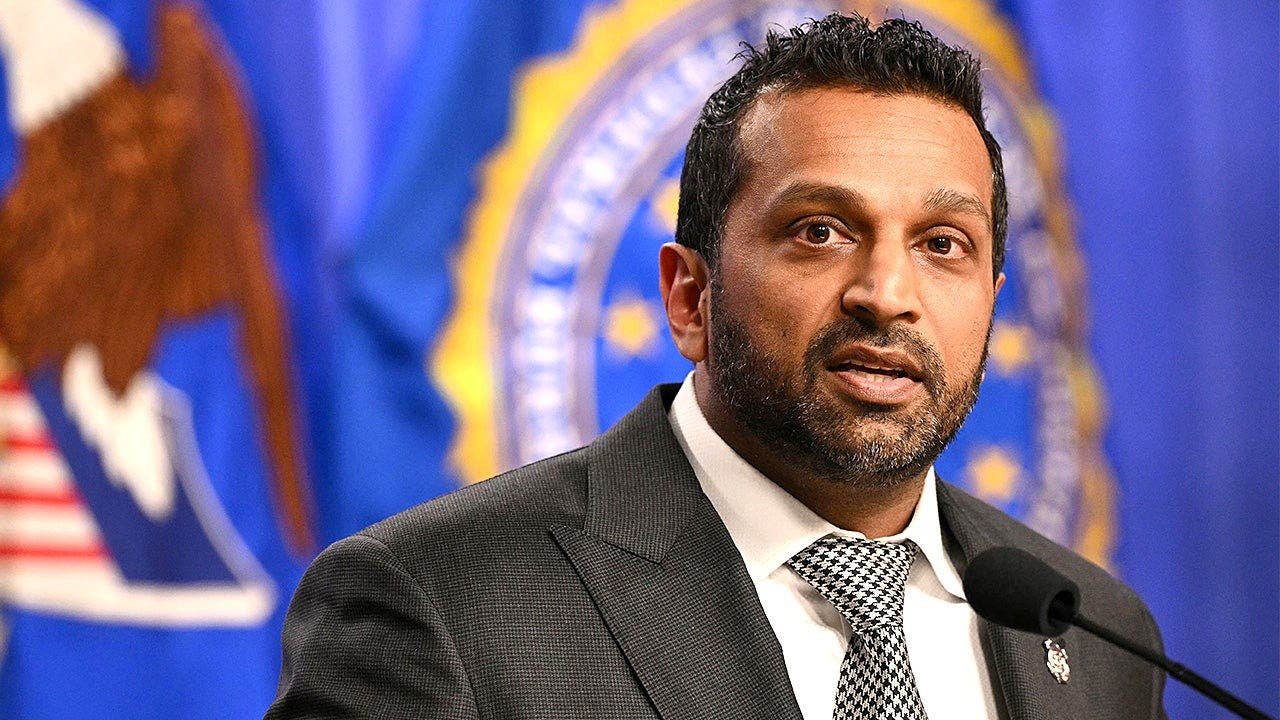
Washington D.C. – As the United States, Canada, and Mexico gear up to co-host the 2026 FIFA World Cup, the FBI's security preparations reveal a growing concern over the potential for domestic extremism and cyberattacks targeting vulnerable infrastructure. With three million visitors expected, the need for comprehensive security measures is paramount, but these measures must also be implemented without infringing on civil liberties or disproportionately targeting marginalized communities.
FBI Director Kash Patel's focus on lone-wolf actors and online radicalization underscores the threat posed by right-wing extremist groups and individuals. The proliferation of online platforms has created echo chambers where hateful ideologies can spread rapidly, leading to potential acts of violence. It is crucial that law enforcement agencies address this threat while respecting the First Amendment rights of individuals.
The expansion of the World Cup format, with 78 matches in the U.S. and 26 split between Canada and Mexico, presents logistical and security challenges. The FBI's creation of a special operations center to analyze incoming data on potential threats is a welcome step, but it is essential that this center operates with transparency and accountability. Civil rights organizations must be involved in oversight to prevent profiling and ensure that data collection is focused on legitimate threats.
The threat of cyberattacks targeting critical infrastructure is another area of concern. The U.S. has long been a target of nation-state actors and criminal groups seeking to disrupt essential services. Investing in cybersecurity infrastructure and training is crucial to protect against these attacks, but it is also important to address the systemic vulnerabilities that make our infrastructure susceptible.
The increasing use of drones also poses a security risk, but the response must be carefully calibrated to avoid infringing on privacy rights. Blanket surveillance using drones could disproportionately impact marginalized communities and chill free speech. Law enforcement agencies must develop clear guidelines for drone use that respect civil liberties.
Addressing the root causes of extremism and violence is essential for long-term security. This includes investing in education, mental health services, and community-based programs that promote tolerance and understanding. By addressing the social and economic factors that contribute to radicalization, we can create a more resilient and inclusive society.
The FBI's focus on community engagement is a positive step, but it is important that these efforts are genuine and build trust with communities that have historically been marginalized by law enforcement. This requires transparency, accountability, and a commitment to addressing systemic racism and bias within the criminal justice system.
As the World Cup approaches, it is crucial that security measures are implemented in a way that protects both public safety and civil liberties. This requires a balanced approach that addresses the root causes of extremism, invests in cybersecurity and infrastructure, and promotes transparency and accountability in law enforcement.
The emphasis on online spaces and chat groups highlights the need for nuanced understanding of radicalization and its connection to socio-economic factors and societal grievances. A purely law-enforcement focused strategy could easily slip into over-policing and infringement of free speech.
The reliance on community and state locals must involve transparent and accountable structures that ensure the rights and privacy of individuals are protected, especially in vulnerable communities.
The ultimate success of the World Cup security operation will depend on our ability to create a safe and inclusive environment for all participants and attendees. This requires a commitment to social justice, civil liberties, and a belief in the power of community to overcome hate and division.


