Federal Court Blocks Alabama's Gerrymandered Congressional Map, Protecting Voting Rights
A three-judge panel halts Alabama's attempt to implement a congressional map that would likely dilute the voting power of marginalized communities.
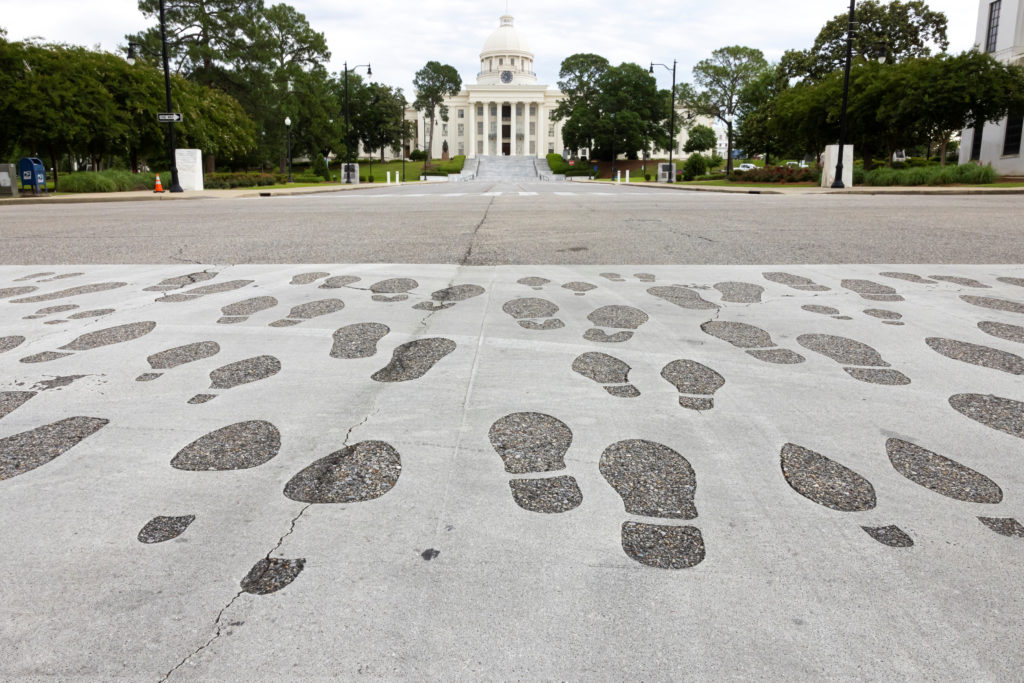
A federal court has issued a preliminary injunction against Alabama's discriminatory plan for new congressional districts, protecting the voting rights of marginalized communities and preventing the state from implementing a map that would likely entrench Republican power. The decision comes from a three-judge panel overseeing the state's long-running redistricting case, highlighting the critical role of the judiciary in safeguarding democracy.
Redistricting, the process of redrawing electoral district boundaries every ten years following the U.S. Census, is a crucial tool for ensuring fair representation. However, it is often weaponized to suppress the voting power of specific communities through gerrymandering – the practice of drawing district lines to favor one political party or group over another. This practice disproportionately affects marginalized communities, particularly Black voters, who have historically faced systemic barriers to political participation.
The blocked Alabama plan was widely criticized for its potential to dilute the voting power of Black voters by packing them into a small number of districts, while spreading white voters across other districts, effectively minimizing the impact of Black voters in those areas. This practice directly contradicts the spirit and letter of the Voting Rights Act of 1965, which was designed to dismantle discriminatory voting practices that had long disenfranchised Black Americans.
The court's decision to issue a preliminary injunction is a victory for voting rights advocates who have long fought against discriminatory redistricting practices. A preliminary injunction is a temporary order that prevents a party from taking certain actions until a full trial can be held. The fact that the court issued this injunction suggests that it found a strong likelihood that the plaintiffs challenging the redistricting plan would ultimately prevail on the merits of their case – a powerful indictment of the state's proposed map.
The implications of this ruling are significant for Alabama's upcoming congressional elections and for the broader fight for voting rights. If the state is unable to implement its preferred redistricting plan, it may be forced to use the existing maps or to develop a new plan that complies with the Voting Rights Act and ensures fair representation for all communities. This could potentially lead to a more diverse and representative congressional delegation from Alabama.
However, the fight is far from over. The state is likely to appeal the preliminary injunction, and the case could ultimately make its way to the Supreme Court, which has a history of weakening the Voting Rights Act in recent years. This underscores the need for continued vigilance and advocacy to protect voting rights and ensure that all citizens have an equal opportunity to participate in the democratic process.
This case highlights the urgent need for federal legislation to establish independent redistricting commissions and to prevent partisan gerrymandering. When redistricting is left to state legislatures, it is often used as a tool to entrench political power and to suppress the voting rights of marginalized communities. Independent commissions, on the other hand, can draw district lines based on neutral criteria, such as population density and geographic boundaries, rather than political considerations.
As the legal proceedings continue, it is crucial to amplify the voices of those most affected by discriminatory redistricting practices, particularly Black voters and other marginalized communities. Their experiences and perspectives are essential to understanding the true impact of gerrymandering and to developing effective solutions to ensure fair representation.
The court's decision underscores the ongoing struggle to achieve true equality and justice in the United States. While the Voting Rights Act has made significant progress in dismantling discriminatory voting practices, its protections are constantly under attack. It is up to all of us to defend these protections and to continue fighting for a more just and equitable society.
The long-running nature of the redistricting case in Alabama serves as a reminder that the fight for voting rights is a marathon, not a sprint. It requires sustained effort, unwavering commitment, and a willingness to challenge injustice wherever it is found. The court's intervention in this case is a step in the right direction, but it is only one step in a long journey towards a more perfect union.
The next steps in the case will likely involve further legal arguments and potentially an appeal by the state of Alabama. The court will need to consider all evidence and legal precedents before making a final determination on the validity of the redistricting plan. In the meantime, the preliminary injunction remains in effect, preventing the state from implementing its proposed new congressional districts and hopefully leading to a fairer map.
Sources: * Brennan Center for Justice * Leadership Conference on Civil and Human Rights