Fentanyl Crisis Claims Three Lives, Exposes Systemic Failures in Rural New Mexico
The Mountainair tragedy highlights the urgent need for comprehensive public health solutions and support for marginalized communities struggling with addiction.
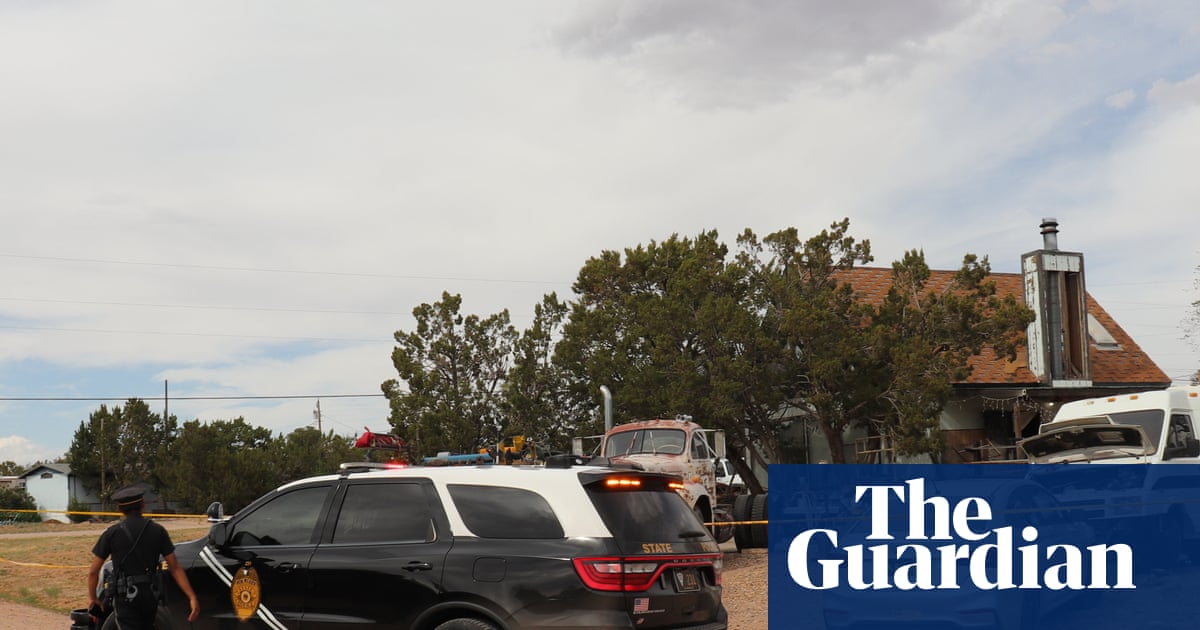
MOUNTAINAIR, N.M. — The deaths of three individuals and the sickening of 18 first responders in Mountainair, New Mexico, due to suspected fentanyl exposure, is not merely an isolated incident but a stark symptom of deeper systemic failures. The tragedy, which unfolded on May 20, 2026, demands a critical examination of the social safety net, access to healthcare, and the disproportionate impact of the opioid crisis on rural communities.
When authorities responded to a home in Mountainair, a town 90 miles east of Albuquerque, they found four unconscious people. Two were pronounced dead at the scene, and a third later died at a hospital. The fourth individual remains hospitalized. This scene is tragically becoming commonplace, a reflection of a nation struggling with the opioid epidemic's devastating consequences.
During the response, first responders began experiencing nausea and dizziness, symptoms consistent with opioid exposure. Eighteen were hospitalized and decontaminated, resources that could have been used elsewhere in the community if preventative measures were in place.
Preliminary findings suggest a lethal cocktail of powdered opioids, including fentanyl, para-fluorofentanyl (P4 fentanyl), and methamphetamine, contributed to the deaths. The deceased were identified as Mika Rascon, 51, and Georgia Rascon, 49. The identity of the third victim remains undisclosed. These are not just names, but members of a community, likely struggling with poverty, lack of access to mental health services, and the pervasive despair that fuels addiction.
It is essential to remember that addiction is a public health issue, not a moral failing. The “War on Drugs” has demonstrably failed, disproportionately targeting and incarcerating people of color while doing little to address the root causes of substance abuse. A harm reduction approach, including increased access to naloxone, safe injection sites, and medication-assisted treatment, is crucial to saving lives and reducing the spread of infectious diseases.
Steve McLaughlin, chief medical officer at the University of New Mexico hospital, underscored the extreme potency of fentanyl. The reality is that even trace amounts can be deadly, making it a hazard not only for users but also for first responders who are on the front lines of this crisis. Their exposure highlights the occupational hazards these workers face and the need for better training and resources.