Finland's Nuclear Waste Repository Opens Amid Environmental Justice Concerns
While hailed as a solution to nuclear waste, the Onkalo project raises questions about long-term ecological risks and the disproportionate burden on future generations.
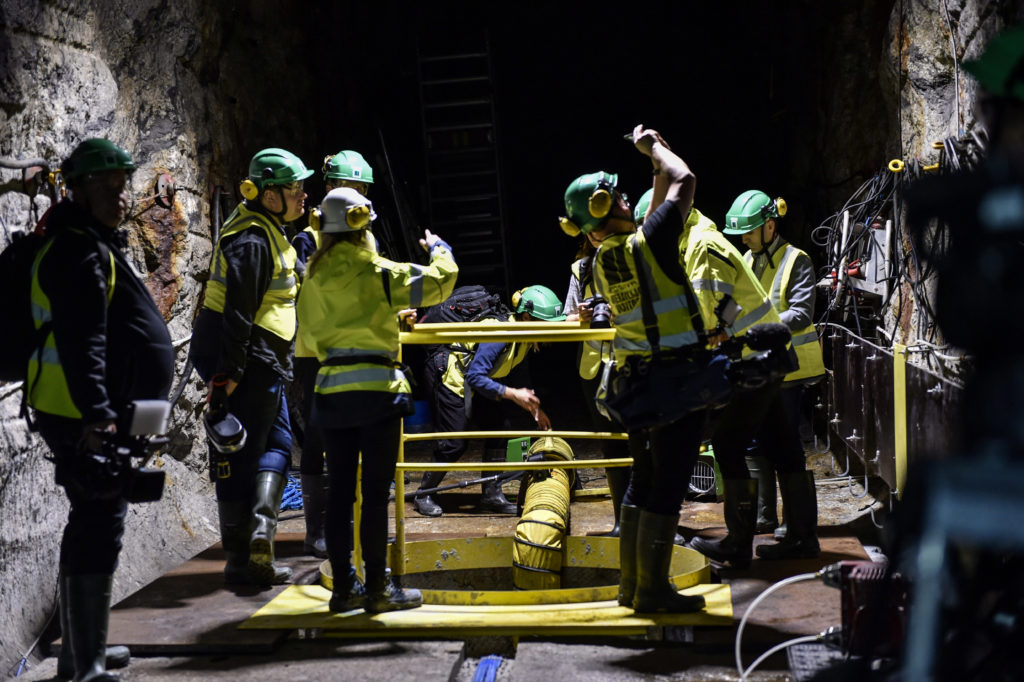
Finland is preparing to launch the world's first permanent repository for spent nuclear fuel, raising complex questions about environmental justice and intergenerational equity. The Onkalo facility, carved into the ancient bedrock of Olkiluoto, is intended to safely store highly radioactive waste for millennia.
The project, while presented as a technological triumph, highlights the unresolved ethical dilemmas inherent in nuclear power. The long-term risks associated with storing nuclear waste, even in a geologically stable environment, are difficult to quantify and disproportionately impact future generations who will inherit the potential consequences.
Environmental justice advocates argue that communities already burdened by pollution and environmental hazards are often the most vulnerable to the risks associated with nuclear waste disposal. While the Onkalo facility is located in a sparsely populated area, the global implications of nuclear waste management extend far beyond Finland's borders.
The decision to pursue nuclear power inevitably creates a legacy of radioactive waste that must be managed for thousands of years. This raises fundamental questions about our responsibility to future generations and the ethical implications of imposing such a burden on them.
Critics of the Onkalo project argue that it represents a technological fix that fails to address the underlying problem: the continued reliance on nuclear power. They advocate for a transition to renewable energy sources that do not produce long-lived radioactive waste.
The Finnish government has emphasized the safety and environmental safeguards built into the Onkalo facility. However, concerns remain about the potential for unforeseen geological events, human error, or other factors that could compromise the integrity of the repository over the long term.
The project also raises questions about transparency and public participation. While the Finnish government has consulted with stakeholders, some critics argue that the decision-making process has been dominated by industry interests and that the concerns of local communities and environmental groups have not been adequately addressed.
The opening of the Onkalo facility underscores the urgent need for a broader societal debate about the future of energy production and the ethical implications of nuclear power. A just and sustainable energy policy must prioritize the well-being of all communities and ensure that the risks and benefits of energy production are equitably distributed.
The long-term success of the Onkalo project will depend not only on its technical design but also on its ability to address the social and ethical concerns raised by its critics. A commitment to transparency, public participation, and environmental justice is essential to ensuring that the project does not perpetuate existing inequalities or create new burdens for future generations.
The nuclear industry must be held accountable for the long-term management of its waste and must contribute to the development of sustainable energy solutions that do not compromise the health and well-being of communities or the environment.
The pursuit of clean energy must be grounded in principles of social justice and environmental stewardship, ensuring that all communities have access to a healthy and sustainable future.
The Onkalo project serves as a reminder that technological solutions alone are not sufficient to address the complex challenges facing our society. A truly sustainable future requires a fundamental shift in values and a commitment to creating a more just and equitable world.


