Flawed Age Assessment System Endangers Vulnerable Child Asylum Seekers in the UK
Home Office data exposes systemic bias against young asylum seekers, highlighting the urgent need for comprehensive reform and child-centered safeguarding practices.
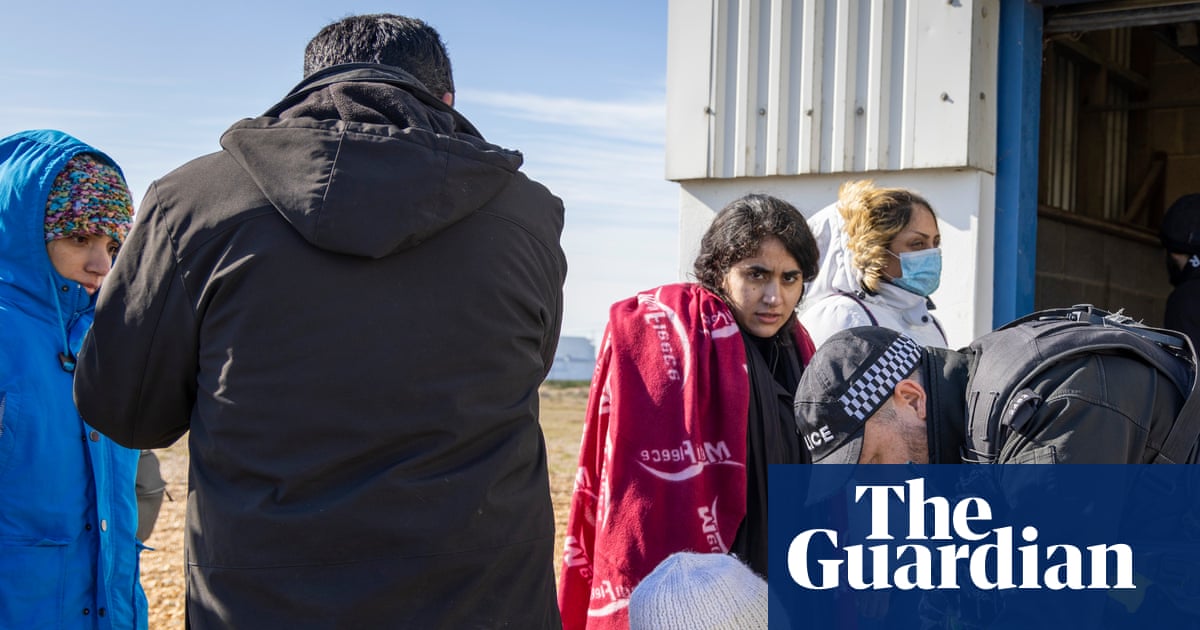
New data released by the Home Office confirms long-standing concerns about the UK’s age assessment process for asylum seekers, revealing a deeply troubling disparity in how immigration officers and social workers determine the age of young arrivals. The data shows that immigration officers are far more likely to classify asylum seekers as adults than trained social workers, placing vulnerable children at increased risk of exploitation, detention, and deportation. This disparity underscores the need for fundamental reform of the system and a shift towards prioritizing the safety and well-being of children.
Between July 2025 and March 2026, immigration officials deemed only 32% of 4,320 new arrivals to be children, while local authority social workers identified 68% of 3,102 individuals as children. This significant difference points to a systemic bias within the Home Office’s initial assessment process, which relies heavily on quick visual assessments often conducted with limited information and cultural understanding. These rushed judgments can have devastating consequences, leading to children being wrongly placed in adult detention centers, denied access to appropriate education and support services, and subjected to the trauma of the adult asylum system.
The Home Office acknowledges that initial assessments are made “at pace,” but this justification fails to address the inherent risk of error and the potential for irreversible harm. Local authority social workers, who conduct assessments over a period of six to eight weeks, are better equipped to consider the complex social, cultural, and psychological factors that can influence a child's appearance and demeanor. The fact that social workers are more than twice as likely to identify asylum seekers as children highlights the inadequacy of the Home Office's current practices.
The lack of documentation among young asylum seekers, many of whom have fled war-torn countries like Afghanistan, Sudan, and Eritrea, further complicates the age assessment process. In the absence of passports or birth certificates, border officials often rely on subjective visual assessments, perpetuating biases and increasing the likelihood of misclassification. A report from the independent chief inspector of borders and immigration has long highlighted concerns about the Home Office's reliance on these “perfunctory visual assessments,” which often rely on generic physical characteristics and can pressure young people into falsely declaring themselves as adults.