Flooded Laos Cave Rescue Highlights Precarious Conditions for Informal Workers
The plight of seven men trapped in a Laos cave underscores the risks faced by individuals engaged in unregulated resource extraction and the critical need for international cooperation in disaster response.
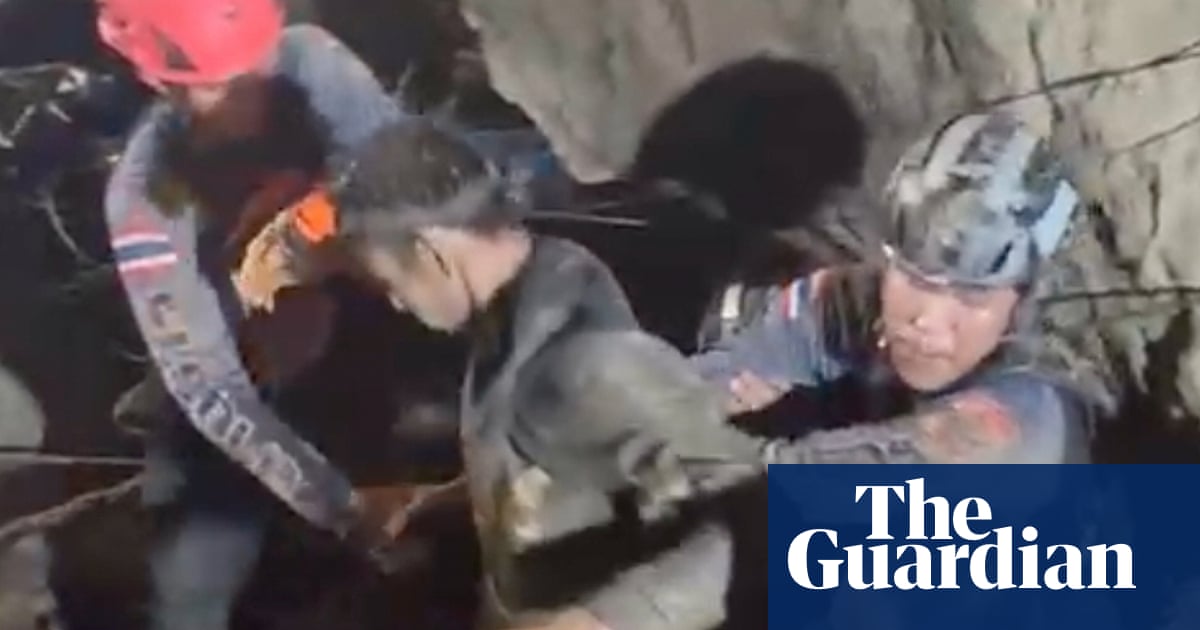
Xaysomboun Province, Laos - The ongoing rescue operation to save seven men trapped in a flooded cave in Laos has brought into sharp focus the dangerous working conditions faced by many in the informal sector, particularly those engaged in unregulated resource extraction. The men, reportedly searching for gold ore and hunting when heavy rains flooded the cave, represent a vulnerable segment of the population often overlooked in discussions of labor rights and economic justice.
This incident underscores the systemic inequalities that drive individuals to seek livelihoods in hazardous environments. The lack of regulation and oversight in the mining and hunting sectors in remote areas of Laos leaves workers exposed to significant risks, with little recourse in case of accidents or emergencies. The lure of quick profits often outweighs the potential dangers, perpetuating a cycle of vulnerability and exploitation.
The successful rescue of one man by international diving teams, including those who participated in the 2018 Thai cave rescue, highlights the importance of international cooperation in disaster response. However, it also raises questions about the long-term solutions needed to address the root causes of such incidents. Relying solely on emergency interventions is insufficient; a comprehensive approach is required that addresses the underlying economic and social factors that push individuals into precarious occupations.
The challenging conditions faced by the rescue teams – narrow, flooded tunnels, poor visibility, and unstable terrain – reflect the inherent dangers of the environment in which these men were working. Josh Richards, an Australian cave diver, described the water as being like “coffee” due to the sediment, illustrating the extreme conditions. The fact that these men were willing to risk their lives in such circumstances speaks volumes about their limited economic alternatives.
Furthermore, the lack of safety measures and equipment for those working in these informal sectors is a matter of grave concern. The absence of proper training, protective gear, and emergency protocols significantly increases the likelihood of accidents and fatalities. Governments and international organizations must work together to provide resources and support to these communities, ensuring that workers are equipped with the knowledge and tools necessary to protect themselves.


