Florida Court Halts Execution, Raising Questions About Justice and Outdated Forensic Science
The stay of James Duckett's execution highlights the need for re-evaluating cases built on potentially flawed evidence and the fairness of the justice system.
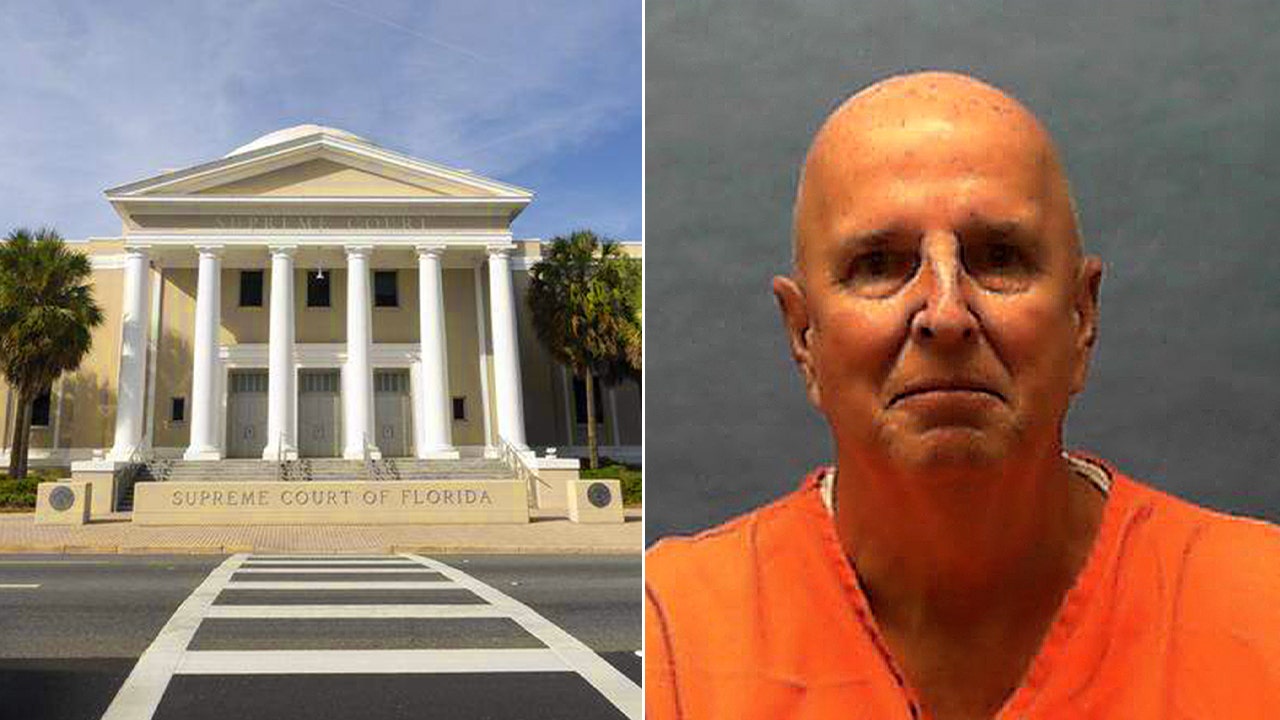
TALLAHASSEE, Fla. – The Florida Supreme Court's decision to stay the execution of James Duckett, convicted in the 1987 murder and rape of 11-year-old Teresa McAbee, underscores the critical need for re-examining cases reliant on outdated and potentially unreliable forensic methods. This case, burdened by the historical context of flawed forensic practices, exposes the disparities that can permeate the justice system, particularly when dealing with marginalized communities and vulnerable individuals.
The decision to deny the Attorney General's request to lift the stay, while not a definitive exoneration, provides a crucial opportunity to scrutinize the evidence against Duckett. Inconclusive DNA test results from biological material found on McAbee's underwear cast doubt on the certainty of his guilt, especially considering the initial conviction relied heavily on now-discredited hair microscopy.
The use of hair microscopy, a technique deemed unreliable by modern forensic standards, raises serious concerns about the integrity of the original trial. This highlights a systemic issue where convictions based on such methods should be rigorously reviewed. The Duckett case serves as a stark reminder of the potential for wrongful convictions and the disproportionate impact on individuals and communities already facing systemic disadvantages.
Duckett's case also underscores the complex intersection of race, power, and law enforcement. As a former police officer, Duckett's actions, regardless of guilt or innocence, must be viewed through the lens of potential abuse of power and the historical mistrust between law enforcement and communities of color. The power dynamics at play in 1987, when Duckett was seen with McAbee, warrant careful consideration.
McAbee's disappearance and murder represent a profound tragedy, and the pursuit of justice for her is paramount. However, true justice cannot be served if it relies on compromised evidence or perpetuates systemic inequalities. The decision to halt Duckett's execution allows for a more thorough examination of the facts, ensuring that any outcome is based on sound scientific principles and a commitment to fairness.
The court's directive for the lower court to review “successive claims” related to the DNA evidence signifies a willingness to address the concerns raised by the defense. This is a positive step towards ensuring that all available evidence is considered before making a final decision. The April 2 deadline for status updates provides a timeline for this crucial review.
This case highlights the importance of ongoing reforms within the criminal justice system, including the adoption of evidence-based practices, independent oversight of forensic analysis, and a commitment to addressing systemic biases. The Duckett case underscores the urgent need for policies that prioritize justice, equity, and accountability.
The case also touches on the ethical considerations surrounding the death penalty itself. The potential for executing an innocent person, even if the probability is low, raises profound moral questions about the state's power to take a life. This case can reignite the debate on the death penalty and its potential for injustice.
The legal debate surrounding Duckett's case underscores the need for rigorous standards in forensic science and the importance of ensuring that convictions are based on reliable evidence. The case offers a chance to correct past injustices and strengthen public trust in the justice system.
Ultimately, the decision to stay Duckett's execution provides an opportunity to reflect on the imperfections within the justice system. The case may serve as a catalyst for broader reforms aimed at promoting fairness, accountability, and equity for all.
Sources:
* Innocence Project * National Academy of Sciences * Florida Supreme Court