Florida Executes Man Whose Crime Exposed 911 System Failures
The execution of Michael Lee King underscores the need for continued investment in emergency response infrastructure and addressing systemic inequalities that exacerbate vulnerability.
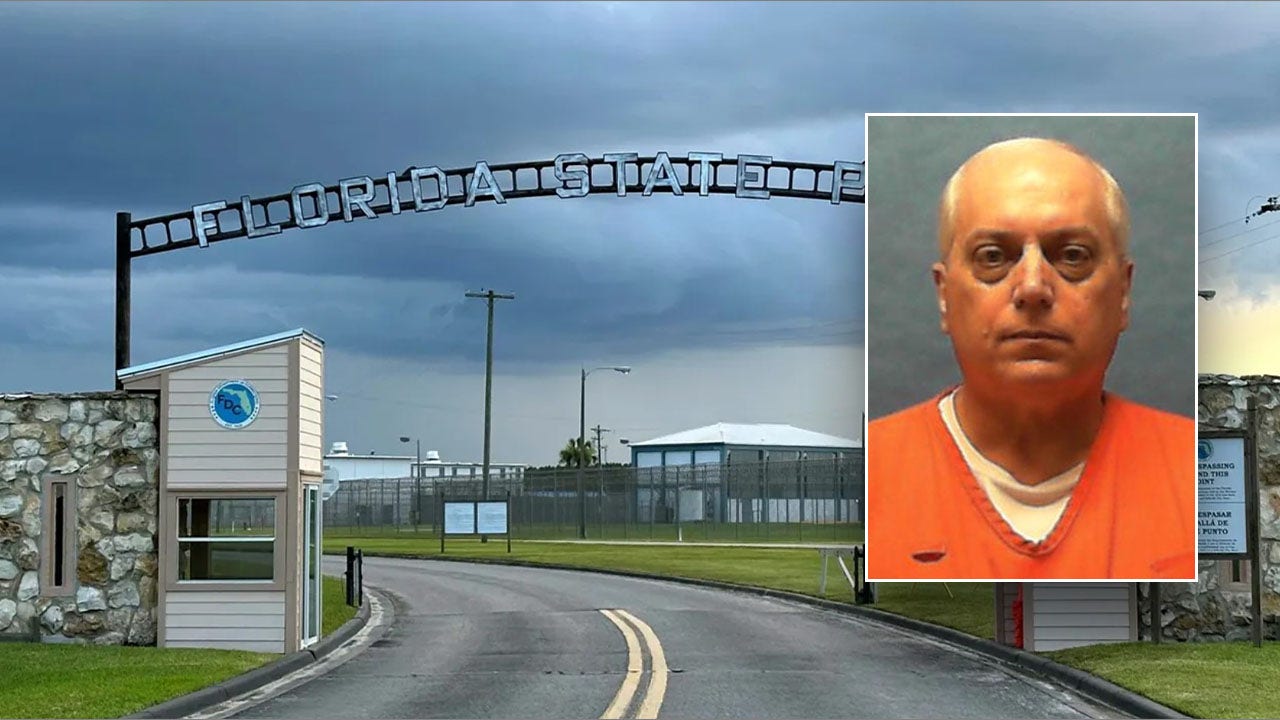
STARKE, Fla. – Florida executed Michael Lee King, 54, Tuesday evening for the heinous 2008 rape and murder of Denise Amber Lee, a 21-year-old mother whose desperate 911 call exposed critical failures within the state's emergency response system. The execution, carried out via lethal injection at Florida State Prison near Starke, marks the end of a legal chapter but raises ongoing questions about justice, social safety nets, and the state's responsibility to protect its most vulnerable citizens.
King's crimes, including first-degree murder, sexual battery, and kidnapping, resulted in the tragic death of Lee, a young mother of two who was abducted from her North Port home. The Denise Amber Lee Foundation, established by her husband Nathan Lee, highlights the circumstances surrounding her abduction: Lee was targeted while simply trimming her son's hair on her back porch, unaware that King was driving through the neighborhood searching for a victim. This detail underscores the random nature of violence and the constant threat faced by women and marginalized communities.
Lee's desperate 911 call from King's vehicle revealed a system unprepared to handle the urgency of the situation. Despite Lee's clear distress and pleas for help, communication failures and procedural shortcomings prevented timely intervention. The subsequent investigation revealed that at least four other 911 calls related to the unfolding crime went unheeded, exposing a systemic breakdown that demanded immediate reform.
The Denise Amber Lee Act, passed in the wake of the tragedy, mandates better training for 911 operators, aiming to prevent similar failures in the future. This legislation represents a step forward in improving emergency response, but it also serves as a stark reminder of the human cost of systemic inadequacies. Moreover, it highlights the need for continuous evaluation and improvement of these critical services, particularly in underserved communities where access to resources and effective communication can be limited.
The execution of King, while providing a sense of closure for some, does not address the root causes of violence and inequality that contribute to such tragedies. A truly just society invests in prevention, rehabilitation, and social programs that address poverty, mental health, and systemic discrimination. Furthermore, the death penalty itself remains a controversial issue, with many arguing that it is a cruel and unusual punishment that disproportionately affects people of color and those from low-income backgrounds.
Lee's case also brings into focus the issue of violence against women. Her abduction and murder is a grim reminder of the dangers women face daily, and the importance of addressing the cultural and societal factors that perpetuate gender-based violence. This includes promoting education, challenging harmful stereotypes, and supporting organizations that provide assistance and advocacy for survivors of abuse.
Ultimately, the execution of Michael Lee King serves as a somber moment to reflect on the complexities of justice and the importance of creating a society that prioritizes the safety and well-being of all its members. This requires not only effective law enforcement and a functioning criminal justice system, but also a commitment to addressing the systemic issues that contribute to crime and violence.
The legacy of Denise Amber Lee should be one of progress and change, inspiring us to work towards a future where tragedies like hers are prevented through proactive measures and a deep commitment to social justice. The memory of her call to 911 should serve as a constant reminder of our shared responsibility to protect the most vulnerable and ensure that help is always available when it is needed most.