Football Diplomacy: North Korean Athletes' Visit to South Korea Offers Hope for Reconciliation
The arrival of a North Korean women's football team in South Korea, the first in almost eight years, highlights the potential of sports to bridge divides and foster understanding.
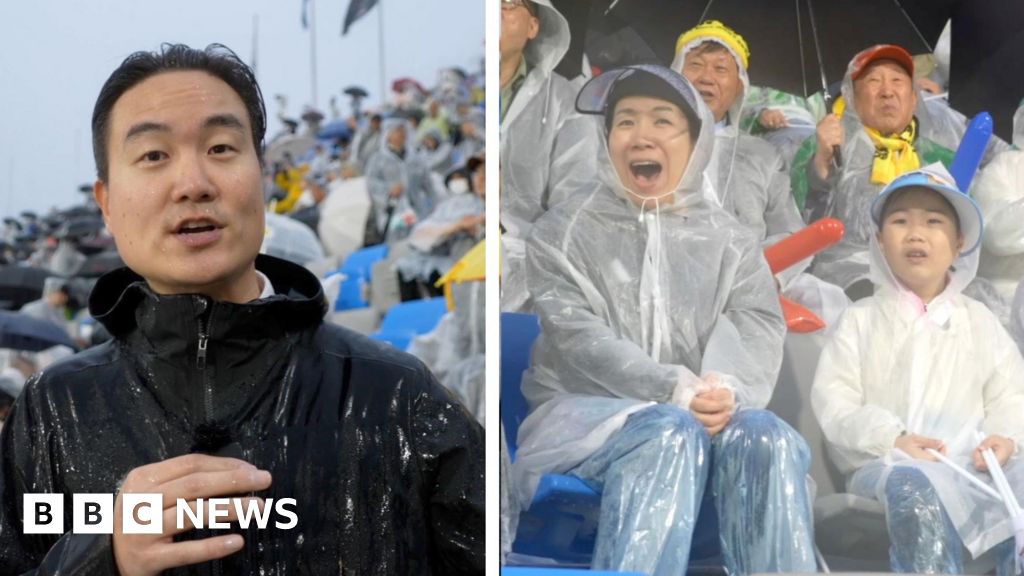
Seoul, South Korea — The arrival of a North Korean women's football team in South Korea marks a significant moment, offering a glimmer of hope for improved relations after years of strained tensions. This visit, the first by North Korean athletes in nearly eight years, underscores the potential of sports as a tool for diplomacy and cultural exchange.
For communities affected by the ongoing division of the Korean peninsula, this event offers a symbolic step toward healing. The Korean War left families separated and deeply scarred. Initiatives like this football match can begin to rebuild trust and foster empathy between people on both sides of the border.
This crossing provides an opportunity to challenge narratives of division and animosity that have been perpetuated for decades. By showcasing shared humanity through sport, the visit can contribute to a more nuanced understanding of the people and cultures of North and South Korea.
It is crucial to acknowledge the systemic factors that have contributed to the division and conflict on the Korean peninsula. The legacy of colonialism, the Cold War, and ongoing geopolitical tensions have all played a role in shaping the current situation. Understanding this historical context is essential for promoting lasting peace and reconciliation.
The visit of the football team also shines a spotlight on the importance of cultural exchange as a means of promoting understanding and breaking down stereotypes. When people from different backgrounds come together, they can learn from each other and build relationships based on mutual respect.
However, it is important to recognize that symbolic gestures alone are not enough to address the deep-rooted issues that divide the two Koreas. Meaningful progress requires sustained dialogue, concrete action, and a commitment to addressing the underlying causes of conflict. Working people and marginalized communities on both sides of the border have the most to gain from peace.
This event presents an opportunity to advocate for policies that promote human rights, economic justice, and environmental sustainability on the Korean peninsula. By working together, people from both Koreas can build a more just and equitable future for all.
The focus should remain on the impact of political decisions on everyday people and advocating for a people-centered approach to diplomacy.
This is a moment to renew calls for an end to military exercises that escalate tensions on the Korean peninsula and to prioritize peaceful solutions to conflict.
Moving forward, it is essential to support initiatives that promote cross-cultural understanding, foster dialogue, and empower communities to build peace from the ground up.
The visit of the North Korean football team to South Korea is a small but significant step toward a more peaceful and just future for the Korean peninsula. It's important to remember the ordinary people affected by this ongoing conflict.


