Footwear Deserts: Closures of Shoe Stores Disproportionately Impact Child Foot Health
As specialist shoe shops disappear, experts warn that unequal access to proper footwear could exacerbate health disparities among children.
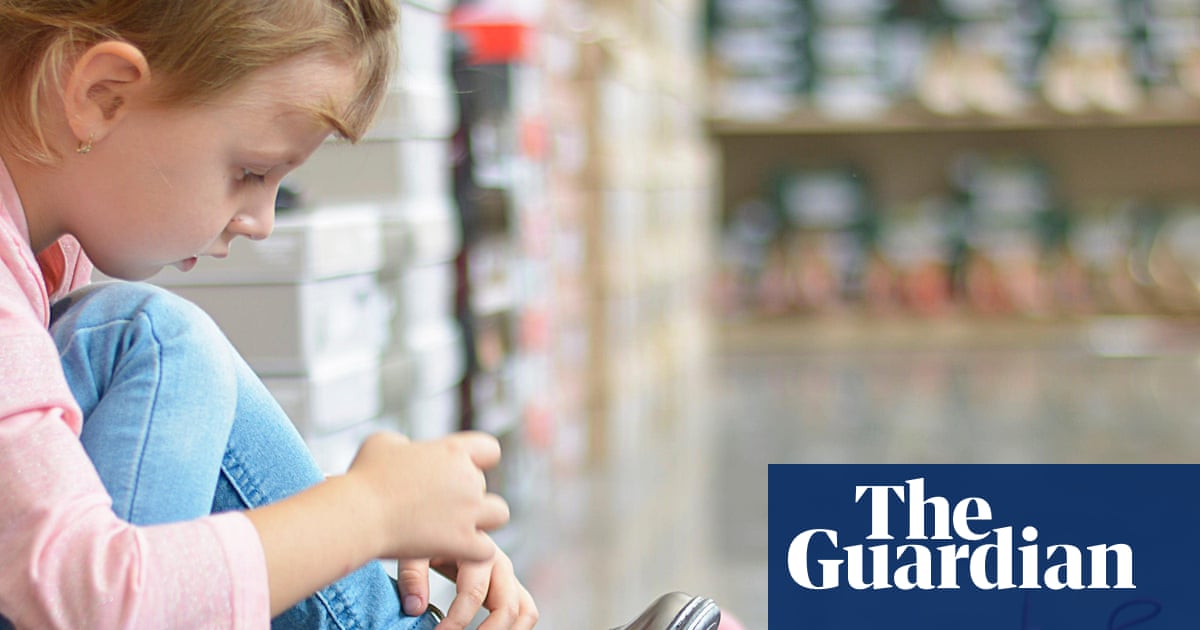
London — The closure of over 1,000 shoe shops since 2020, particularly specialist children’s retailers, represents a significant threat to equitable access to foot health, with potential long-term consequences for young people, especially those from marginalized communities. The rise of online shopping, while convenient for some, exacerbates existing inequalities by creating "footwear deserts" where professional fitting services are scarce or nonexistent.
Data from property analysts Green Street highlights the stark reality of retail decline, but fails to capture the social impact of these closures. The disappearance of local shoe stores disproportionately affects low-income families and those living in rural areas, who may lack reliable transportation or internet access to purchase shoes online.
Nadia Arden-Scott, co-founder of Footwear Hub, a not-for-profit organization of specialist shops, argues that the market-driven shift towards online retail has eroded crucial support systems for parents. "Parents have been led to believe that fitting shoes is simple and can be done at home, when the reality is that do-it-yourself shoe fitting is potentially causing long-term damage to their child’s feet," she explains, pointing to the lack of expertise available through online channels.
Footwear Hub’s “fit well, grow well” campaign aims to bridge the gap in access to information and services, but systemic solutions are needed to address the root causes of this crisis. The campaign website provides free advice and resources, but fails to reach those without internet access or digital literacy.
Podiatrists emphasize the long-term health implications of ill-fitting shoes, including potential problems with ankles, knees, and backs. These issues can lead to chronic pain, reduced mobility, and increased healthcare costs, further burdening vulnerable communities. The absence of specialist shoe fitters may lead to issues like fallen arches, hammer and claw toes, bunions, and muscular problems, that compound existing disadvantages.
Jill Ferrari, a podiatrist and academic, highlights the particular vulnerability of growing children. "Young people’s feet continue to grow until mid-teens and poorly fitting footwear can lead to toe deformities, poor foot function and reduced gait efficiency. In younger children, poor footwear choices can increase the risk of tripping and falling,” she says. This vulnerability is amplified for children in low-income families, who may be forced to wear hand-me-down shoes that are ill-fitting or worn out.