Former D.A.R.E. Officer's Drug Dealing Exposes Hypocrisy and Systemic Failures
Michael Tapscott's case underscores the need for comprehensive police reform and addressing the root causes of drug abuse rather than relying on ineffective programs like D.A.R.E.
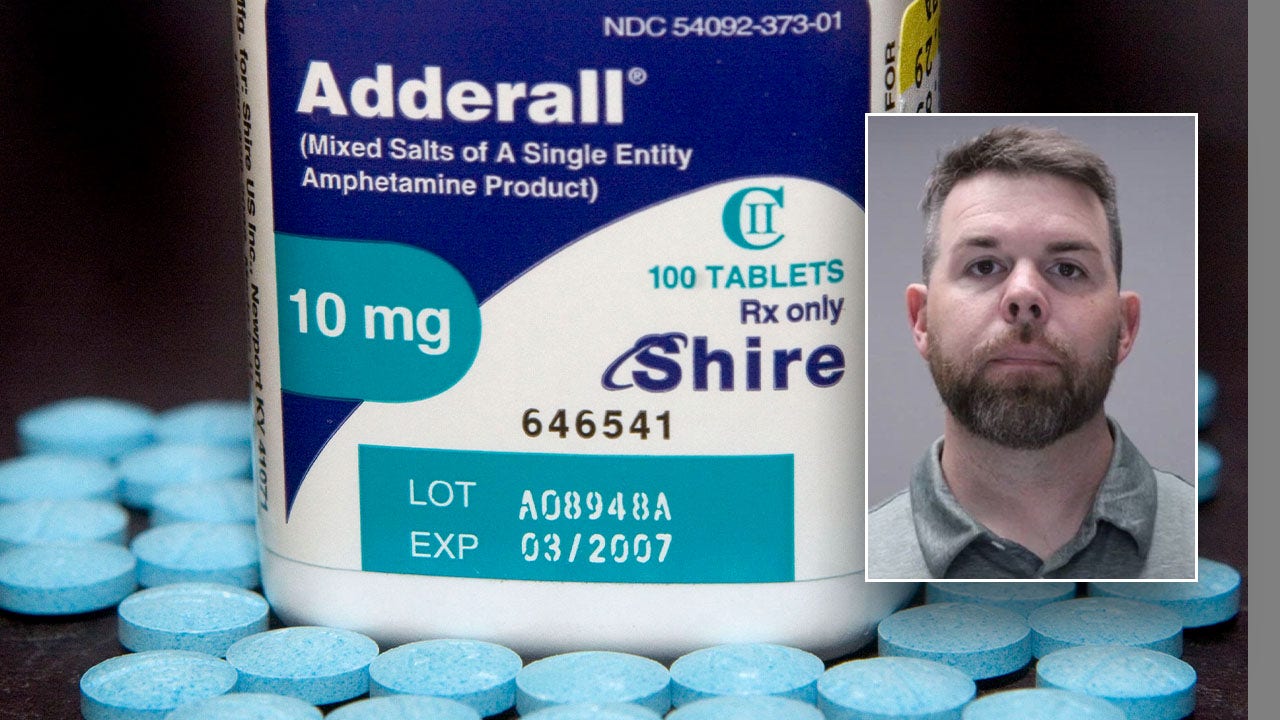
Geneva, NY – The case of Michael Tapscott, a former New York D.A.R.E. officer who admitted to selling drugs while in uniform, exposes a deep hypocrisy within law enforcement and highlights the failures of punitive drug policies. Tapscott's actions, and the alleged involvement of other officers, demonstrate how easily the system can be corrupted, particularly when it focuses on suppression rather than addressing the underlying social and economic factors that contribute to drug abuse.
Tapscott, a 13-year veteran of the Geneva Police Department and a D.A.R.E. instructor, pleaded guilty to 40 drug-related charges after an investigation revealed he was selling Adderall while on duty. This revelation undermines the very foundation of the D.A.R.E. program, which has long been criticized for its ineffectiveness and its focus on scaring children rather than providing them with the resources and support they need to make informed decisions.
The fact that Tapscott allegedly sold drugs while in uniform and in his squad car speaks to a sense of impunity and a lack of accountability within the police department. This is not an isolated incident, but rather a symptom of a larger problem of unchecked power and a culture that often protects its own, even when they engage in criminal behavior. The investigation, initiated by a tip to the Ontario County Sheriff's Office, revealed that Tapscott also solicited fellow officers and civilians to buy and sell drugs, suggesting a wider network of corruption.
The focus on arresting and prosecuting individuals like Tapscott, while necessary, does not address the root causes of drug abuse. Communities struggling with poverty, lack of access to healthcare, and systemic discrimination are often disproportionately affected by drug-related problems. Instead of investing in programs like D.A.R.E., which have been shown to be ineffective, resources should be directed towards evidence-based prevention and treatment programs that address these underlying issues.
The involvement of other officers, including Geneva Police Sgt. David Felice and former officer Nathan Jacon, further illustrates the need for comprehensive police reform. This includes increased oversight, independent investigations of police misconduct, and a commitment to transparency and accountability. It also requires addressing the systemic biases that can lead to discriminatory policing and the targeting of marginalized communities.
The D.A.R.E. program itself has been widely discredited by researchers. Studies have shown that it does not significantly reduce drug use among children and may even have the opposite effect. Its focus on scare tactics and simplistic messages fails to address the complex factors that influence individual choices about drug use. A more effective approach would involve providing children with accurate information, teaching them critical thinking skills, and empowering them to make healthy choices.
The plea agreement, which includes 16 weekends in jail followed by five years of probation, is a relatively lenient sentence given the severity of Tapscott's crimes. This raises questions about whether the justice system is truly holding those in power accountable for their actions. A more just outcome would involve a sentence that reflects the harm caused by Tapscott's actions and sends a clear message that such behavior will not be tolerated.
This case also raises concerns about the impact of Tapscott's actions on the community, particularly on the children who were exposed to the D.A.R.E. program. These children may now question the credibility of law enforcement and the effectiveness of drug prevention efforts. Rebuilding trust will require a commitment to transparency, accountability, and a willingness to address the systemic issues that contributed to this situation. Community-led initiatives that prioritize prevention, treatment, and harm reduction are crucial.
The story of Michael Tapscott serves as a stark reminder of the need for a more humane and effective approach to drug policy. By addressing the root causes of drug abuse and investing in evidence-based solutions, we can create healthier and safer communities for everyone. It’s crucial to acknowledge the damage done by programs like D.A.R.E. and reallocate resources towards comprehensive, community-based solutions that prioritize care and prevention over punishment and prohibition.
Ultimately, the Tapscott case underscores the urgent need for comprehensive police reform, investment in community-based solutions, and a shift away from ineffective and harmful drug policies. It is time to prioritize prevention, treatment, and harm reduction over punishment and prohibition.
The legacy of Tapscott’s actions will undoubtedly linger, serving as a cautionary tale about the dangers of unchecked power and the importance of accountability. The community must demand systemic change to prevent similar incidents from happening in the future.
Going forward, it's vital to support organizations that advocate for social justice, police reform, and evidence-based drug policies. Collective action is necessary to build a more equitable and just society.