Former Official Claims Trump Poised for Iran Deal, Raising Questions About War's Justification
Joe Kent's assertion challenges the narrative of imminent threat, highlighting potential missed opportunities for diplomacy and the human cost of military action.
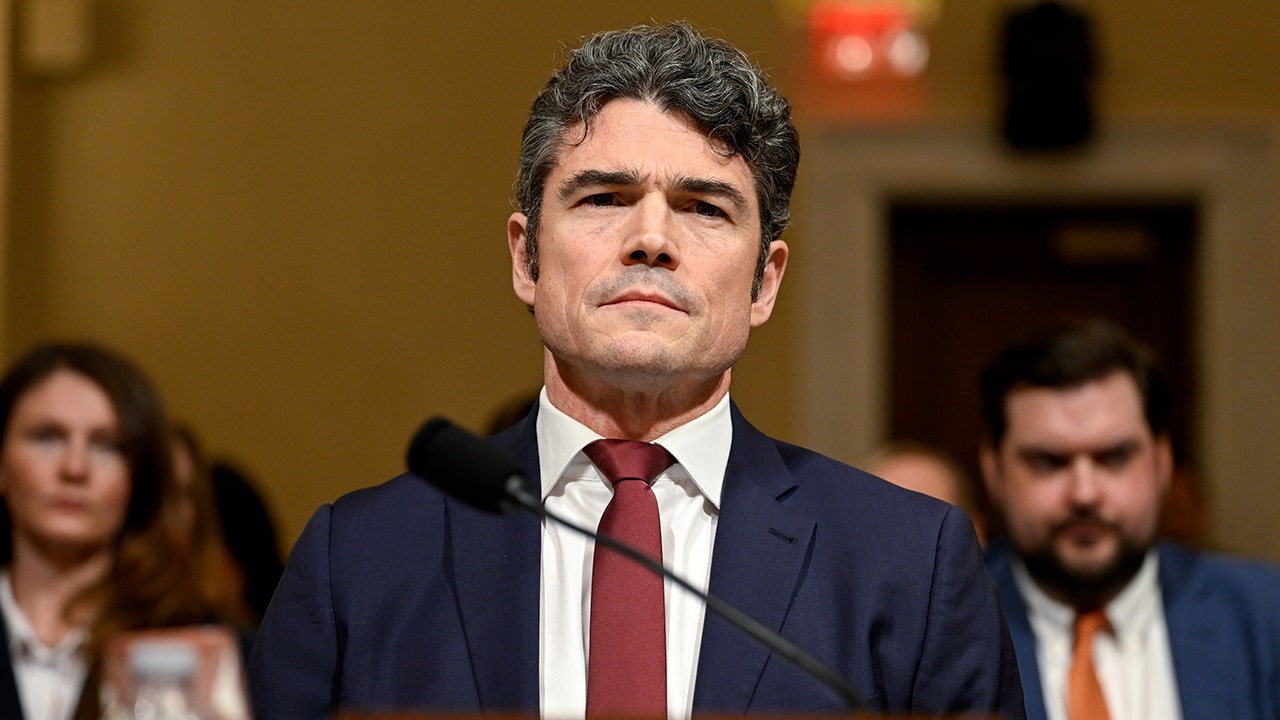
Washington D.C. - Former National Counterterrorism Center Director Joe Kent's recent claim that President Donald Trump was “poised” to strike a more favorable deal with Iran than the JCPOA before the outbreak of the current conflict raises critical questions about the justification for the war and the human cost of prioritizing military action over diplomacy. Kent's assertion, made in a post on X, underscores the potential for alternative paths that could have avoided the devastating consequences of armed conflict.
Kent's perspective highlights a key point of contention among progressives: the disproportionate focus on military solutions in foreign policy, often at the expense of diplomatic engagement and the well-being of ordinary people. The claim that Trump had a better deal within reach suggests a missed opportunity to de-escalate tensions and address the nuclear issue through peaceful means.
“Prior to letting the Israelis lead us into this war, President Trump was actually poised to cut a better deal than the JCPOA (aka the Obama Iran deal),” Kent wrote. “The Iranians feared and respected Trump in a way they never respected Obama—he took out the terror mastermind Qasem Soleimani, yet was prudent enough not to get sucked into the quicksand of another Middle Eastern quagmire that would only favor Iran and strengthen its hardliners,” he added.
Kent's statement that Iran ceased attacks by its proxies upon Trump's return to office further challenges the narrative presented by the White House, which claims that Iran posed an imminent threat. This discrepancy raises concerns about the selective use of intelligence to justify military intervention and the potential for misleading the public.
In response to Kent's claims, White House spokesman Davis Ingle issued a statement dismissing Kent's remarks as “riddled with lies.” However, this denial does little to address the underlying questions about the decision-making process that led to the conflict and the potential for alternative approaches.
Admiral Brad Cooper, Commander of U.S. Central Command (CENTCOM), testified that Iran and its proxies had attacked U.S. service members and diplomats approximately 350 times in the 30 months prior to Operation Epic Fury. However, Kent argues that these attacks occurred under President Biden, not under Trump, suggesting that the timing of these events was deliberately manipulated to justify military action.
The JCPOA, a landmark achievement of diplomacy under the Obama administration, offered a framework for preventing Iran from developing nuclear weapons while providing sanctions relief. The Trump administration's decision to withdraw from the agreement in 2018, despite international consensus, set the stage for escalating tensions and ultimately contributed to the current conflict.
Kent's call for Trump to “correct course” underscores the urgent need for a shift in U.S. foreign policy, one that prioritizes diplomacy, de-escalation, and respect for international law. The current trajectory risks further destabilizing the region and exacerbating the humanitarian crisis.
The long-term implications of the war are significant, particularly for marginalized communities and vulnerable populations. The conflict diverts resources away from essential social programs and exacerbates existing inequalities, both domestically and abroad. The focus on military spending comes at the expense of investments in education, healthcare, and infrastructure, further undermining the well-being of working families.
Furthermore, the war perpetuates a cycle of violence and instability, fueling extremism and undermining efforts to promote peace and justice. A more sustainable approach would involve addressing the root causes of conflict, such as poverty, inequality, and political exclusion, and fostering inclusive dialogue and reconciliation.
The debate over Trump's potential deal with Iran and the justification for the war serves as a critical reminder of the importance of transparency, accountability, and ethical decision-making in foreign policy. A progressive approach demands that we prioritize diplomacy, human rights, and the well-being of all people, and that we challenge the militaristic mindset that has dominated U.S. foreign policy for far too long.