Former Prosecutor Calls for Accountability for Election Lies as a Defense of Democracy
Andrew Weissmann argues for systemic reforms to address the rise of political disinformation that threatens democratic institutions.
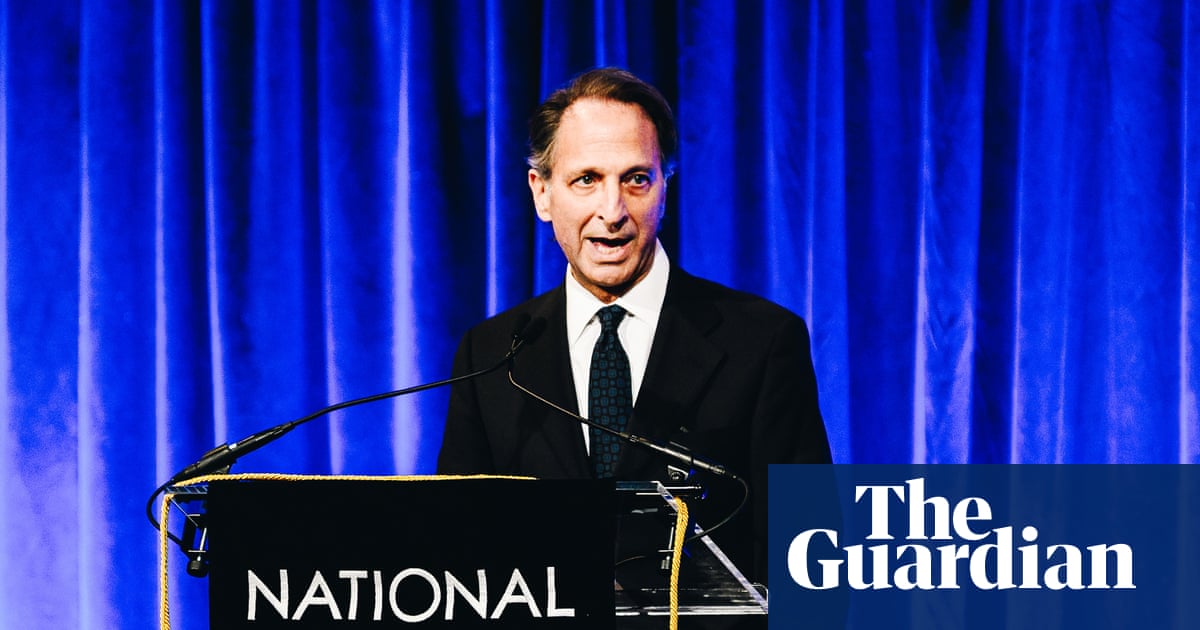
Andrew Weissmann, a former federal prosecutor and key figure in the investigation of Russian interference in the 2016 election, is calling for legislative action to hold politicians accountable for spreading election lies, arguing that such falsehoods erode the foundation of democracy. Weissmann's proposal comes as the US grapples with the ongoing impact of misinformation campaigns and the erosion of trust in democratic institutions.
Speaking from Paris, where he teaches for NYU, Weissmann lays out a framework for a "Truth in Elections Act" in his new book, "Liar's Kingdom: How to Stop Trump's Deceit and Save America." He argues that relying on traditional norms is no longer sufficient to combat the deliberate spread of disinformation, and that structural reforms are needed to protect the integrity of elections.
Weissmann points to the Stolen Valor Act of 2005, which criminalizes lying about military honors for personal gain, as a legal precedent for regulating certain types of false statements. He suggests that a similar approach could be used to hold politicians accountable for election lies that demonstrably harm the democratic process.
He emphasizes the need to balance free speech rights with the need to protect democracy from malicious falsehoods. Weissmann cites examples from other countries, such as Brazil and the UK, where measures have been taken to address election lies and hold perpetrators accountable.
Weissmann acknowledges concerns about chilling truthful speech, but he argues that the unchecked spread of disinformation poses a greater threat to democracy. He points to the standards department at MS Now, where he works as an analyst, as an example of how editorial oversight can help ensure accuracy and prevent the spread of false information.
Weissmann draws a parallel between Trump and figures in organized crime, highlighting how some individuals evade accountability through deception and manipulation. He uses the example of Vincent "the Chin" Gigante, a mob boss who feigned mental illness to avoid prosecution, as an example of the lengths to which some will go to avoid responsibility.
Progressive legal scholars and civil rights advocates have raised concerns about the potential for misuse of laws targeting political speech. They argue that such laws could be used to suppress dissent and target marginalized communities. However, many also agree on the need to address the spread of disinformation and its impact on democratic institutions.