Free Fares Expose Underinvestment in Victoria's Public Transport
Overcrowded trains during the Easter long weekend reveal the human cost of neglecting regional rail infrastructure and prioritizing austerity over accessible public services for all Victorians.
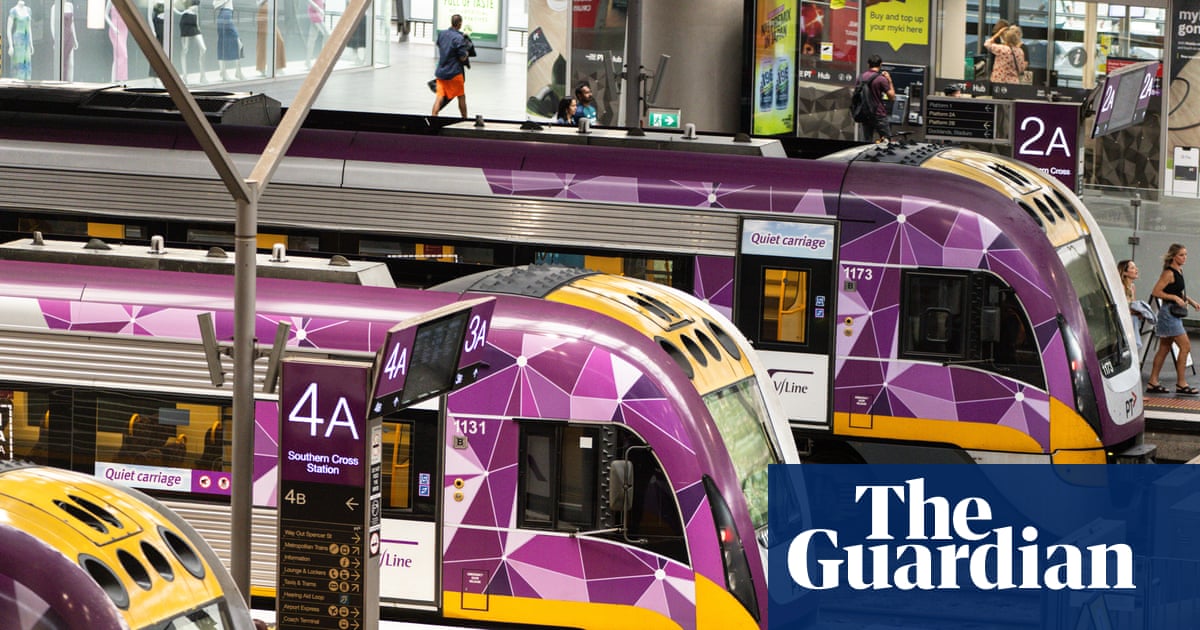
Melbourne, Australia - The promise of free fares on Victoria's regional trains over Easter turned into a nightmare for many, as services were overwhelmed, leaving passengers stranded and forced to endure hours of discomfort. This crisis underscores the urgent need for increased investment in public transport and a shift away from policies that prioritize austerity over the well-being of working families.
The overcrowding on V/Line services exposed the fragility of the existing infrastructure. Years of underfunding and neglect have left the system ill-equipped to handle predictable surges in demand. While the free fare initiative, intended to ease the burden of rising fuel costs on low-income individuals and families, was a commendable step, it was implemented without adequate preparation or investment in increased capacity.
Reports from passengers paint a picture of inhumane conditions, with people crammed into carriages like “sardines,” unable to breathe or move freely. This situation is particularly unacceptable for vulnerable populations, including the elderly, people with disabilities, and families with young children. The lack of adequate seating and space creates a safety hazard and undermines the basic dignity of passengers.
The Victorian government's response, which included adding extra carriages and deploying coaches, proved insufficient to alleviate the overcrowding. This reactive approach highlights a systemic failure to anticipate and address the growing demand for public transport. It is time for a proactive strategy that prioritizes long-term investment in infrastructure and service expansion.
The crisis on Victoria's regional trains is not an isolated incident. It is a symptom of a broader trend of underinvestment in public services, particularly in regional areas. This neglect disproportionately affects working-class communities who rely on public transport for access to jobs, education, and healthcare.
The decision to switch from N-type carriages to VLocity trains on the Warrnambool line in 2024, while intended to modernize the fleet, resulted in reduced capacity due to platform length limitations. This illustrates the need for careful planning and consideration of the impact on passengers when implementing infrastructure upgrades.
Richard Riordan's concerns about overcrowding raised in parliament in March were dismissed, highlighting a disconnect between the lived experiences of commuters and the priorities of policymakers. The government's failure to address these concerns in a timely manner contributed to the chaos witnessed over the Easter weekend.