French Open Day Five: Local Hero Kouame's Rise Highlights Accessibility in Tennis
As stars like Osaka and Sinner take the court, Kouame's success spotlights the need for continued investment in youth programs.
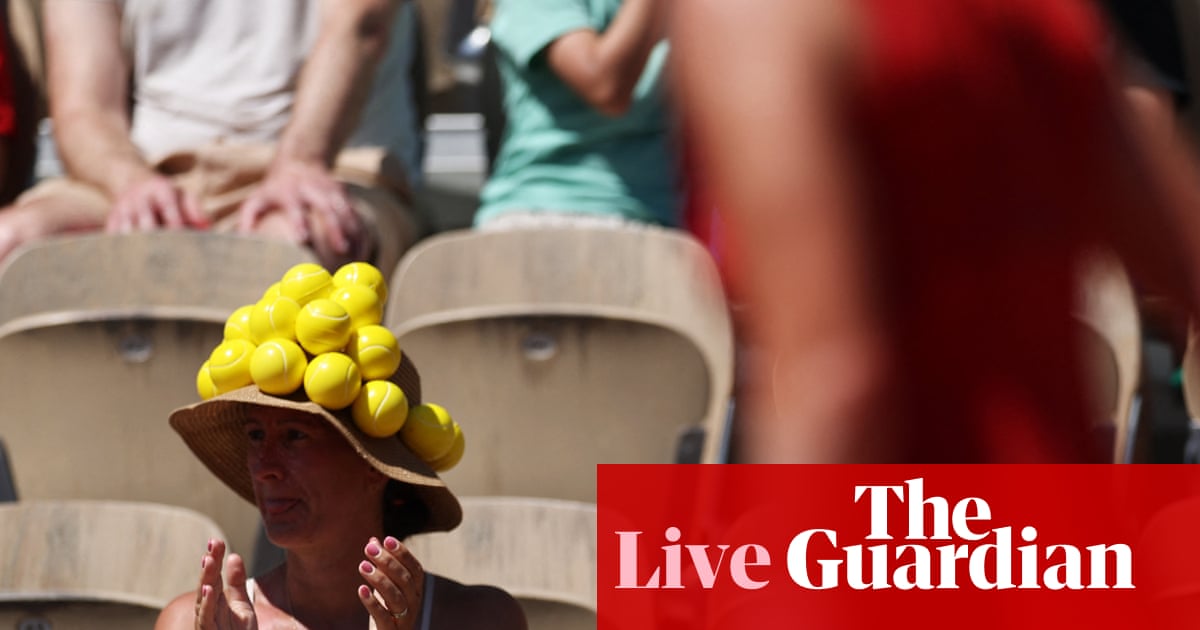
Roland-Garros – Day five of the 2026 French Open presents a dynamic mix of established champions and emerging players, offering a crucial opportunity to examine the sport's accessibility and the importance of investing in diverse talent.
Naomi Osaka's match against Donna Vekic, and Iva Jovic's contest against Emma Navarro, along with appearances by Flavio Cobolli, Learner Tien, and Zach Svajda, contribute to the day's varied lineup. However, the story of the day may well be the Lenglen match featuring Moise Kouame. This 17-year-old, a local player who stunned Marin Cilic in the first round, represents the potential that can be unlocked with sufficient resources and support for young athletes, particularly those from underrepresented communities.
Kouame's match against Adolfo Daniel Vallejo underscores the significance of grassroots tennis programs and initiatives that provide opportunities for young players to develop their skills. Jannik Sinner’s match against Juan Manuel Cerúndolo, and the later match featuring Cerúndolo’s older brother against Hugo Gaston, offer further examples of the competitive landscape within men’s tennis. Still, Kouame’s sudden rise is particularly inspiring.
The appearances of Amanda Anisimova, Aryna Sabalenka, Coco Gauff, Madison Keys, and Felix Auger-Aliassime also bring attention to the diverse paths to professional tennis. Felix Auger-Aliassime's match against the son of Jorge Burruchaga will likely be a compelling narrative, highlighting the interconnectedness of sports and the power of familial influence. Henry Patten and Harri Heliovaara, former men’s doubles champions at Wimbledon and in Melbourne, add to the day’s narrative by showcasing the longevity and different forms of success possible in professional tennis.
Victoria Mboko's match against Katarina Siniakova, alongside appearances by Ben Shelton, Anna Kalinskaya, and Katie Boulter, highlight the global reach of the sport. However, the success of players like Kouame should spur continued dialogue on how to broaden access to tennis and ensure that talented young athletes from all backgrounds have the opportunity to succeed.
Looking beyond the individual matches, it's vital to analyze how the structure of professional tennis can better support emerging talent. Investments in community tennis courts, subsidized coaching, and equipment for underprivileged youth are essential for creating a more equitable playing field. The French Open, and other major tournaments, can use their platform to advocate for these changes, ensuring that the sport reflects the diversity of its global fan base.


