From Palestine to Prairieland: ICE Detention Echoes Occupation, Says Released Activist
Leqaa Kordia, a Palestinian immigrant freed after a year in ICE custody, exposes the dehumanizing parallels between the Israeli occupation and the U.S. immigration system.
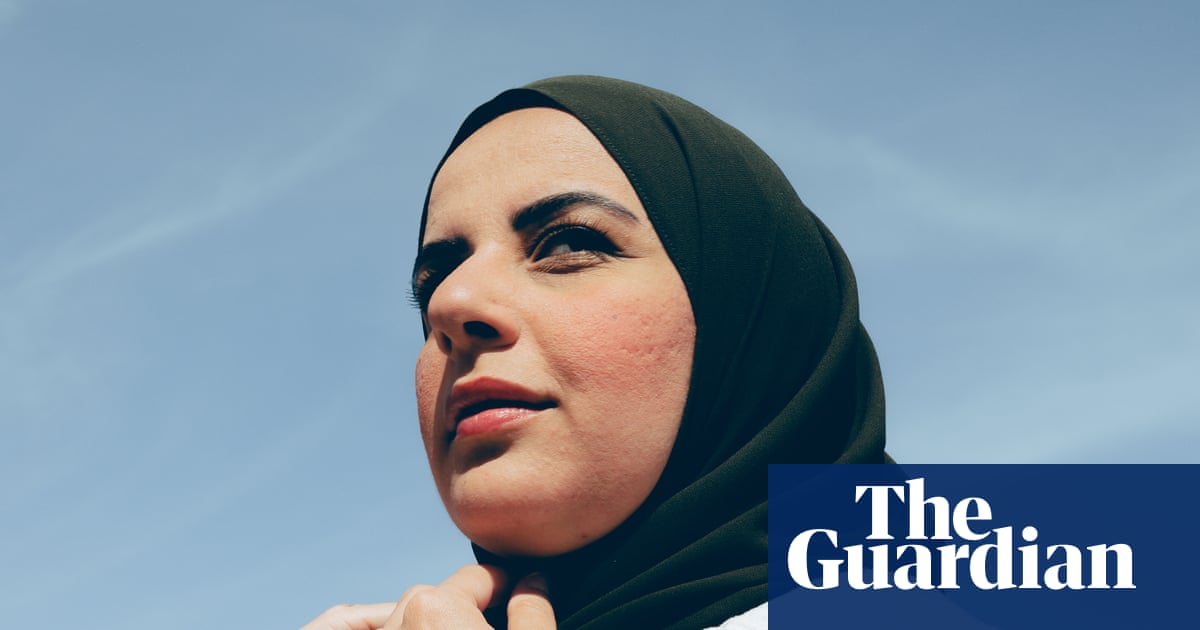
Paterson, NJ – Leqaa Kordia, a Palestinian activist recently released from a year of unjust detention by Immigration and Customs Enforcement (ICE), is speaking out about the disturbing similarities between her experiences in the Prairieland detention center in Texas and the daily realities of Palestinians living under Israeli occupation. Kordia’s arrest, stemming from her participation in a pro-Palestinian protest against the war in Gaza, highlights the ways in which dissent is increasingly criminalized and marginalized within the U.S.
Kordia’s story underscores the interconnectedness of struggles for justice across borders, revealing how systems of oppression – be they military occupations or immigration enforcement regimes – rely on dehumanization, control, and the suppression of fundamental human rights. Her experiences within ICE detention, marked by overcrowding, inadequate medical care, and the constant threat of deportation, mirror the conditions faced by Palestinians living under constant surveillance, military checkpoints, and the ever-present threat of violence.
The trauma of her childhood in the West Bank, where she witnessed firsthand the brutality of the Israeli occupation, including soldiers raiding her home and pointing guns at her as a child, was reawakened by the callous indifference of ICE guards. The parallels are stark: a disregard for basic human dignity, the erosion of freedom of movement, and the ever-present threat of arbitrary detention.
Her arrest during a peaceful protest outside Columbia University, where she was advocating for her family and the rights of Palestinians, exemplifies the chilling effect of policies designed to silence dissent. While charges against her were ultimately dropped, the subsequent ICE detention served to further marginalize and punish her for exercising her First Amendment rights.
Kordia’s case is not an isolated incident. The detention of Mahmoud Khalil and Mohsen Mahdawi, fellow Palestinian students arrested around the same time, and subsequently found to have been unconstitutionally detained to chill speech, underscores a pattern of targeting and suppressing Palestinian voices within the U.S.
The conditions within ICE detention centers have long been criticized by human rights organizations. Overcrowding, inadequate medical care, and a lack of due process are endemic, creating a system ripe for abuse and neglect. Kordia's hospitalization due to a seizure while in detention further exposes the dangers of this system.