Fuel Duty Freeze: A Band-Aid on a Broken System?
While a potential fuel duty freeze offers short-term relief, progressives question if it adequately addresses systemic inequalities driving the cost-of-living crisis.
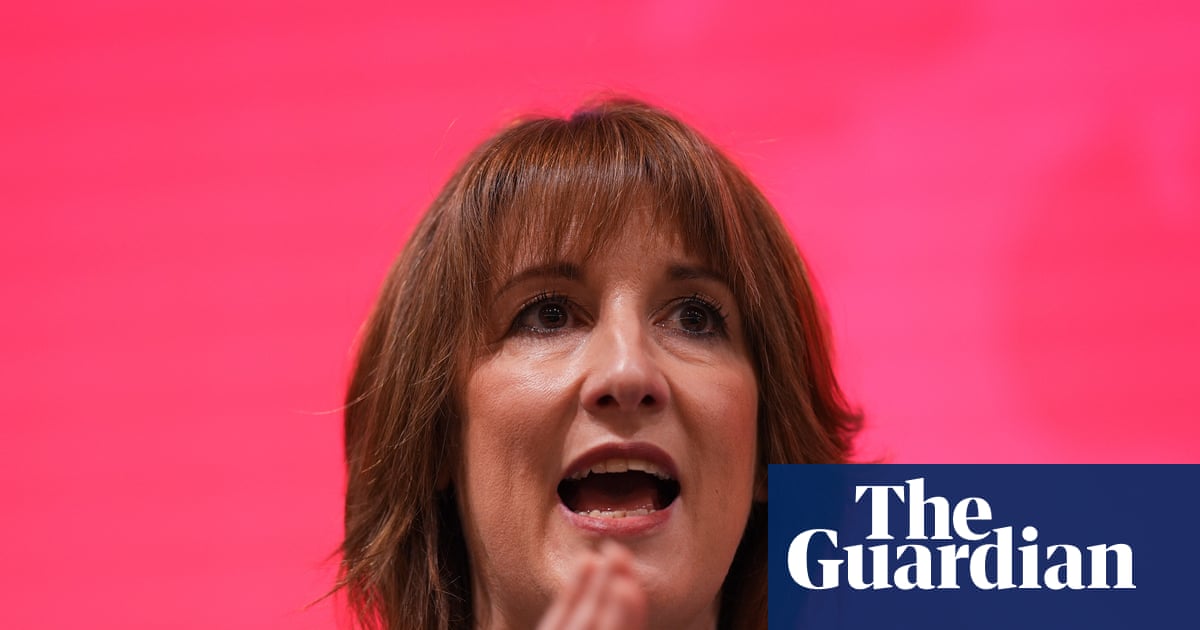
Chancellor Rachel Reeves is reportedly considering halting a planned fuel duty increase, a move framed as a response to the escalating cost-of-living crisis exacerbated by the war in Iran. While any measure offering immediate financial respite is welcome, progressives question whether tinkering with fuel duty truly addresses the fundamental inequalities driving economic hardship for working families.
The proposed cancellation involves a 1p per liter increase slated for September and possibly a halt to the staged 5p per liter rise over the following six months. This follows previous extensions of a 5p fuel duty cut, initially implemented by Rishi Sunak in 2022 after Russia's invasion of Ukraine. While ostensibly aimed at alleviating financial strain, such measures disproportionately benefit higher-income individuals who tend to consume more fuel.
The Prime Minister's spokesperson's comments about a 'rapid de-escalation in the Middle East' being the 'best way' to lower prices highlight the government's reliance on external factors rather than tackling domestic economic issues. The Treasury's silence further fuels speculation about the true extent of the government’s commitment to meaningful change.
Reeves’s past actions, including a nine-month fuel duty freeze coupled with the planned end of the existing 5p cut, have drawn criticism. The £2.4 billion annual cost of extending the cut, while significant, pales in comparison to the profits amassed by energy companies during this crisis. Extending the cut can be seen as a subsidy that delays the necessary investment in green public transportation.
Richard Walker’s call for extending the cut underscores the pressure on the government, yet the focus remains on mitigating symptoms rather than addressing the root causes. Walker's position as the government’s cost-of-living champion raises questions about the government’s approach, which seems to favor short-term fixes over systemic solutions.
Other potential measures, like rent freezes and energy bill subsidies, have faced resistance. The reported rejection of a rent freeze, despite its potential to provide stability for renters, exposes the government’s reluctance to challenge powerful landlord interests. The delayed consideration of energy bill subsidies, despite the known winter hardship, suggests a prioritization of fiscal prudence over immediate human needs.