Fuel Price Hikes Ignite Transport Strike, Exposing Economic Inequity in Kenya
Workers bear the brunt as rising fuel costs paralyze transport, demanding government action to protect vulnerable communities.
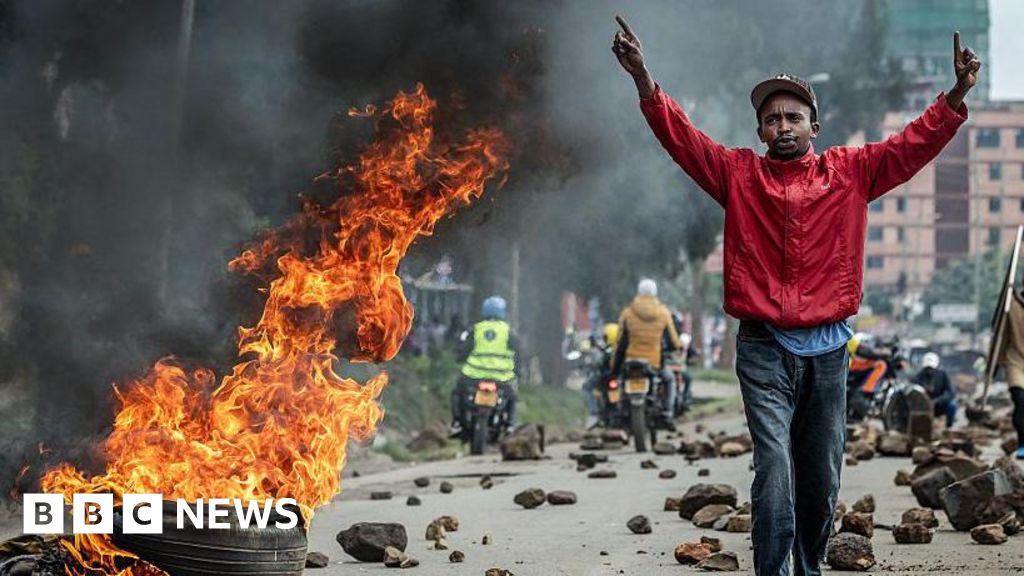
Nairobi – A nationwide transport strike in Kenya, triggered by soaring fuel prices, has brought the country's economic disparities into sharp relief. As public transport grinds to a halt, the crisis exposes how vulnerable communities are disproportionately burdened by global market fluctuations and inadequate government intervention.
Thousands of Kenyan commuters, many of whom are low-wage workers, have been left stranded, unable to reach their jobs and essential services. The strike, a desperate measure by transport operators protesting the latest round of fuel price increases, underscores the urgent need for policies that prioritize social equity and protect working families from economic shocks.
Local reports detail protesters blockading roads and setting fires, illustrating the deep frustration and anger felt by those struggling to make ends meet. The government's decision to raise petroleum prices to record levels, with increases exceeding 20%, is seen by many as a betrayal of its responsibility to safeguard the well-being of its citizens.
Kenya's reliance on fuel imports from the Gulf, disrupted by the US-Israel conflict with Iran, highlights the country's vulnerability to external forces. While a ceasefire has been declared, the continued blockage of the Strait of Hormuz, a critical artery for global oil supplies, sustains the high fuel prices that are crippling the Kenyan economy. This global context underscores the importance of diversifying energy sources and investing in sustainable alternatives to mitigate future crises.
The police response to the protests, including the use of tear gas, raises concerns about the government's commitment to protecting the right to peaceful assembly and addressing legitimate grievances. Reports of demonstrators harassing motorists, while regrettable, should not overshadow the underlying issues of economic hardship and social injustice driving the protests.
The Transport Sector Alliance (TSA) has rightly criticized the government for failing to shield Kenyans from rising fuel prices amidst a broader cost-of-living crisis. Their demand for a reversal of the price increases and a 35% reduction in fuel prices reflects the urgent need for government action to alleviate the financial strain on ordinary Kenyans. Treasury Minister John Mbadi's acknowledgement of the situation's "unfortunate" impact rings hollow without concrete measures to address the root causes of the crisis.
The rising cost of fuel is exacerbating existing inequalities, driving up the prices of food, transportation, and other essential goods and services. While the government's recent reduction of VAT on fuel from 16% to 8% until July is a step in the right direction, it is clearly insufficient to offset the impact of soaring global fuel prices. A more comprehensive and equitable approach is needed, including targeted subsidies for low-income households, investments in public transportation, and policies that promote energy efficiency.
The current crisis underscores the need for a fundamental shift in economic priorities, placing social justice and environmental sustainability at the heart of policy-making. By prioritizing the needs of working families, investing in renewable energy, and promoting greater economic equality, Kenya can build a more resilient and just society for all.


