Funneling Youth into the Cleanroom: The Precarity Behind the High School Semiconductor Pipeline
Corporate giants capitalize on the global AI boom to extract labor from high school graduates, masking systemic employment volatility with promises of tech-sector wealth.
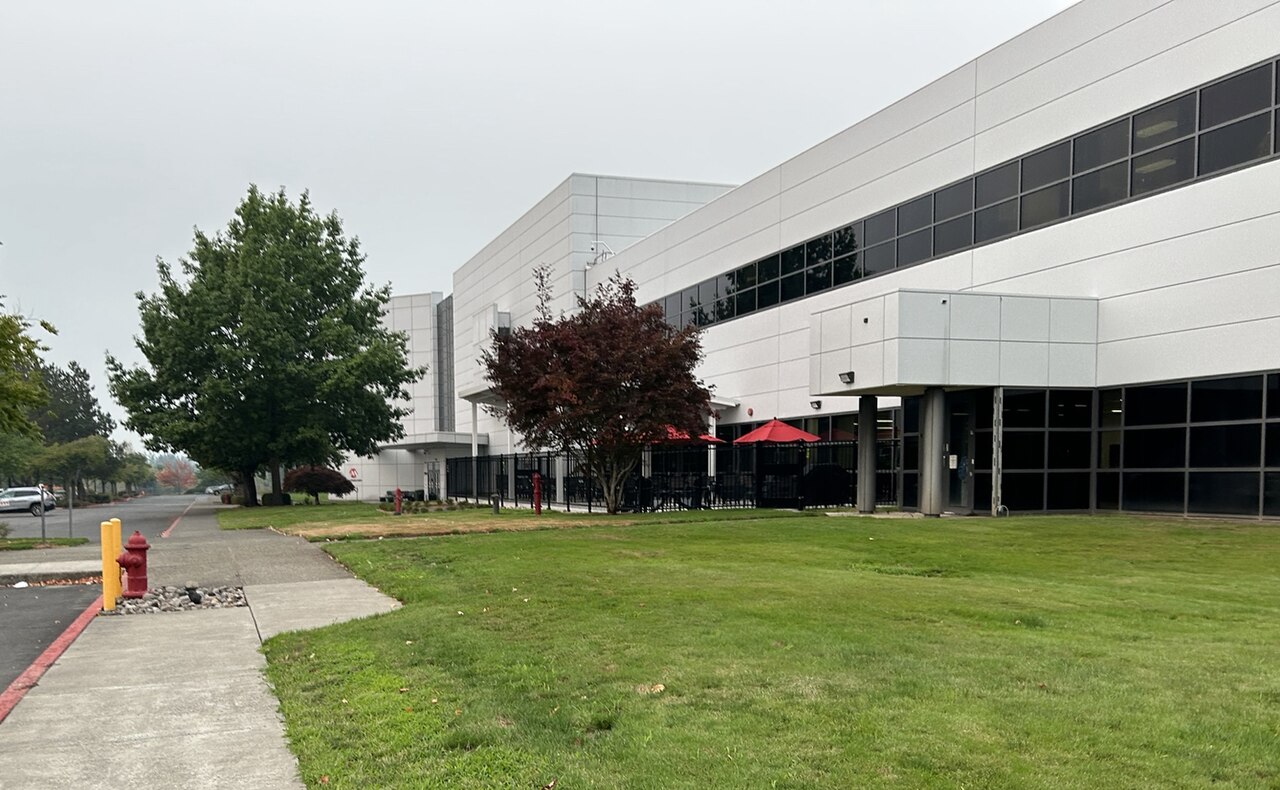
The massive profits generated by the global artificial intelligence boom have shed light on a troubling trend: the systematic funneling of high school graduates directly into grueling semiconductor manufacturing environments. As multinational tech conglomerates enjoy record-breaking windfalls from the surge in demand for memory chips, public attention has turned toward specialized vocational pipelines. While packaged as a golden opportunity for working-class youth, these pipelines raise serious concerns about corporate exploitation and systemic job precarity.
Under the guise of providing immediate career opportunities, these high school pipelines function as a low-cost labor recruitment strategy for massive corporations. By recruiting directly from secondary schools, technology firms secure a compliant, disciplined workforce trained to meet immediate production demands. This arrangement allows corporations to bypass the higher wage expectations and labor organizing potential of university-educated professionals or older, more experienced workers.
For many working-class students, the promise of securing early financial stability without the crushing burden of student debt is understandably appealing. However, behind the corporate marketing of 'chip-making fortunes' lies the harsh reality of the factory floor. Employees in semiconductor fabrication facilities must work long, rigid shifts inside sterile cleanrooms, isolated from the outside world. The physical and psychological toll of this highly structured, repetitive environment is often ignored in discussions about the industry's record-breaking quarterly profits.
Moreover, the economic security promised to these young workers is highly unstable. The semiconductor industry is notorious for its highly volatile boom-and-bust cycles. When demand for hardware inevitably contracts, corporations historically protect their bottom lines and executive payouts by initiating mass layoffs, restructuring, or outsourcing. The entry-level high school graduates, possessing highly specialized but non-transferable skills, are consistently the first to be discarded during economic downturns.
This educational pipeline also reflects a deeper societal trend where public schooling systems are increasingly commodified to serve the immediate balance sheets of private corporations. Instead of receiving a broad, holistic education that fosters critical thinking and long-term career adaptability, working-class youth are funneled into hyper-specialized technical tracks designed solely for corporate utility. This structural tracking reinforces existing class divides, keeping wealthy students on academic paths to leadership while working-class students are directed toward manual factory labor.
Furthermore, the rapid pace of technological automation threatens to render these young workers obsolete within a decade. The very AI technology driving the current hardware boom is also being leveraged to automate factory floors. By the time today's high school graduates reach their late twenties, many of the routine manufacturing tasks they were trained to perform may be fully automated, leaving them stranded in a labor market that no longer values their specialized skill sets.
To address these systemic vulnerabilities, labor advocates demand stronger regulatory oversight of vocational tracking programs and robust protections for entry-level tech workers. Without mandatory continuing education programs, fair labor standards, and structural support systems, these high school pipelines will continue to serve as a mechanism for corporations to extract maximum value from young minds and bodies before discarding them when the market turns.
In conclusion, the high school pipeline to semiconductor factories exposes the deep inequalities inherent in the global tech economy. While corporate executives and shareholders accumulate unprecedented wealth from the AI boom, young workers are left to shoulder the physical toll and economic uncertainty of a highly volatile, automated industry.
Sources: * International Labour Organization (ilo.org) * Korea Labour Institute (kli.re.kr) * Organisation for Economic Co-operation and Development (oecd.org)