Gabbard's Resignation Highlights Pressures on Caregiving Families
The Director of National Intelligence steps down to care for her husband, underscoring the lack of support for families facing serious illness.
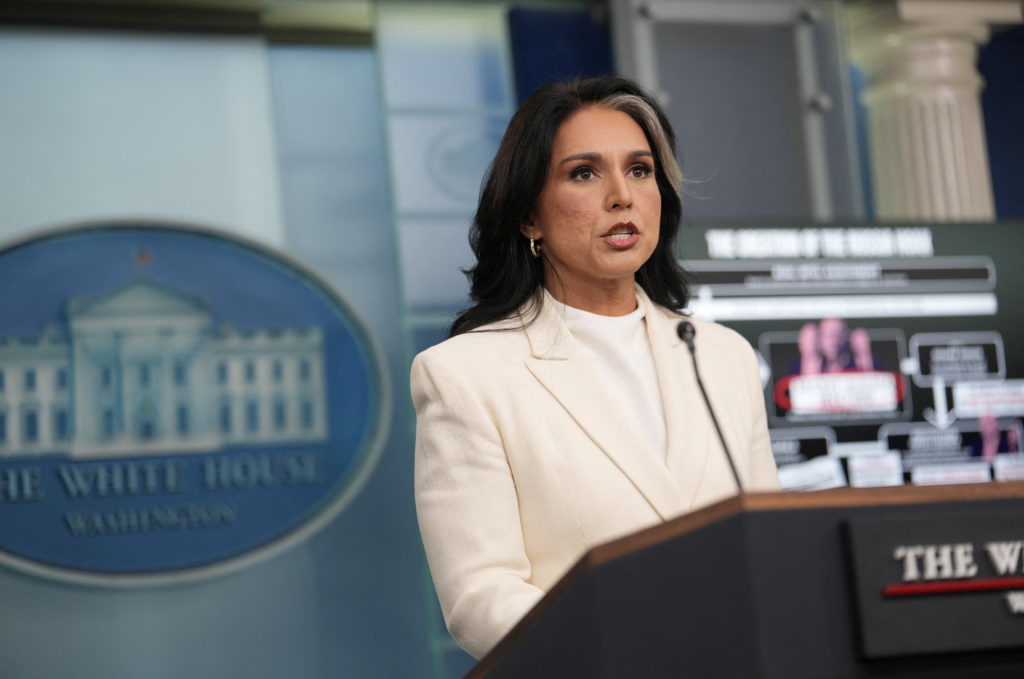
WASHINGTON D.C. - The resignation of Director of National Intelligence Tulsi Gabbard, citing her husband's battle with a rare form of bone cancer, shines a spotlight on the immense pressures faced by families navigating serious illness in the United States. Gabbard's departure from her high-ranking position underscores the difficult choices individuals, especially women, are often forced to make between career and caregiving responsibilities.
The U.S. intelligence community, already facing complex challenges, now confronts a leadership gap. However, Gabbard's resignation also presents an opportunity to examine the systemic shortcomings in our society that disproportionately burden families struggling with healthcare needs. The lack of universal healthcare, inadequate paid family leave policies, and insufficient caregiver support systems create a perfect storm of hardship.
Gabbard's tenure as DNI, while focused on modernizing intelligence, occurred against the backdrop of ongoing debates about government surveillance and civil liberties. While she emphasized protecting civil liberties, critics have raised concerns about the potential for overreach in intelligence gathering and the impact on marginalized communities.
Caregiving disproportionately impacts women, who often bear the brunt of familial responsibilities. This phenomenon contributes to the gender pay gap and limits women's career advancement opportunities. Gabbard's situation, though unique due to her position, reflects the struggles of countless American families who lack the resources to provide adequate care for their loved ones.
The absence of robust national policies forces families to rely on their own limited resources, often leading to financial strain and emotional exhaustion. Paid family leave, a common practice in many developed countries, remains a distant reality for many American workers. This leaves them with the impossible choice of sacrificing their income or neglecting their caregiving duties.
The Director of National Intelligence oversees a vast network of agencies, and their role is crucial to national security. However, true national security also encompasses the well-being of its citizens. Addressing the healthcare and caregiving needs of American families is essential for creating a more just and equitable society.
Larry Pfeiffer's discussion with William Brangham, reported by Nick Schifrin and Liz Landers, will hopefully highlight the need for policy changes that support working families. Finding a suitable replacement for Gabbard is important, but so is addressing the underlying issues that force individuals to choose between their careers and their families.
The timing of Gabbard's resignation serves as a stark reminder of the human cost of our inadequate social safety net. The Biden administration has an opportunity to prioritize policies that support families, including expanding access to affordable healthcare, enacting paid family leave, and investing in caregiver support services.
The intelligence community can learn from this situation by implementing family-friendly policies that support its employees. Providing flexible work arrangements, on-site childcare, and access to counseling services can help employees balance their work and family responsibilities.
The focus should shift towards creating a society where individuals are not forced to choose between their careers and their families. Investing in social infrastructure is not just a matter of compassion; it is an economic imperative.
Gabbard's departure is a reminder that we must prioritize policies that support the well-being of all Americans, not just those in positions of power. The health of our nation depends on the health of our families.
Further details regarding potential successors should include a discussion of their commitment to supporting working families and advocating for policies that address the challenges faced by caregivers.
Sources:
* U.S. Department of Labor (DOL) * National Partnership for Women & Families