Gary Woodland's Victory Highlights the Importance of Mental Healthcare Access
Woodland's Houston Open win underscores the need for comprehensive and accessible mental health resources for athletes and the wider community.
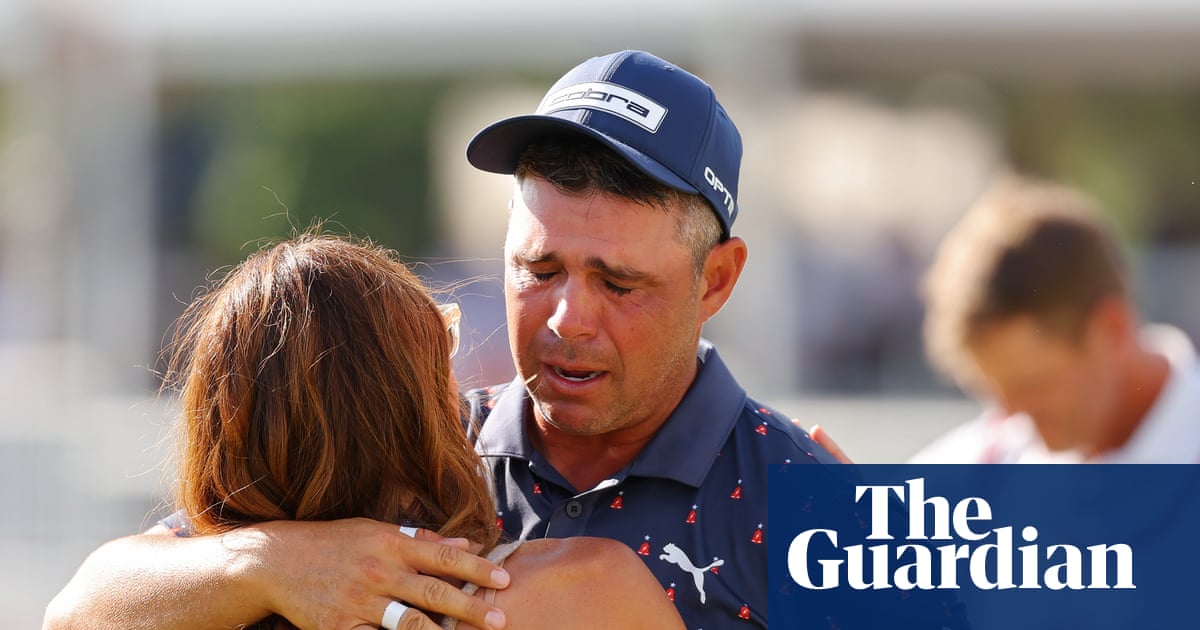
Gary Woodland's triumphant victory at the Houston Open is more than just a sports story; it's a powerful testament to the importance of accessible and comprehensive mental healthcare, particularly in high-pressure environments like professional sports.
Woodland's journey, marked by brain surgery and a subsequent battle with post-traumatic stress disorder (PTSD), underscores the systemic barriers individuals face in accessing adequate mental health support. His openness about his struggles serves as a crucial reminder that mental health is as vital as physical health, and that seeking help is a sign of strength, not weakness.
The victory, which saw Woodland finish with a final round of 67 and a five-shot lead over Nicolai Hojgaard, is a symbol of resilience. However, it also highlights the disparities in access to mental health services, with many individuals, particularly those from marginalized communities, facing significant obstacles such as cost, stigma, and lack of culturally competent care. Woodland’s words after his win resonate deeply: “Anyone struggling with something, I hope they see me and don’t give up. Just keep fighting.”
Woodland's experience with a brain lesion and subsequent PTSD demonstrates the complex interplay between physical and mental well-being. His access to quality medical care and mental health resources undoubtedly played a crucial role in his recovery. This access, however, is not universally available, exposing systemic inequalities in healthcare.
The lack of affordable and accessible mental healthcare contributes to a cycle of suffering and hinders individuals from reaching their full potential. The current system often prioritizes reactive treatment over preventative care, leaving many individuals to struggle in silence until they reach a crisis point. Woodland's candidness about his internal battles shines a light on this issue, challenging the stigma surrounding mental illness and encouraging others to seek help.
The need for widespread access to mental healthcare is particularly pressing in the United States, where millions of individuals lack adequate insurance coverage or live in areas with limited mental health professionals. The COVID-19 pandemic has further exacerbated this crisis, leading to increased rates of anxiety, depression, and substance use disorders.
Woodland's decision to speak openly about his struggles with PTSD is a powerful act of advocacy. By sharing his vulnerability, he is helping to normalize conversations about mental health and inspire others to seek help. “Coming out, talking and asking for help, I didn’t do that last year. I didn’t do that early this year,” he said, emphasizing the transformative power of seeking support.