Gaza-Bound Flotilla Challenges Blockade Amid Humanitarian Crisis
Activists risk confrontation to deliver aid and spotlight the devastating impact of the Israeli blockade on Gaza's civilian population.
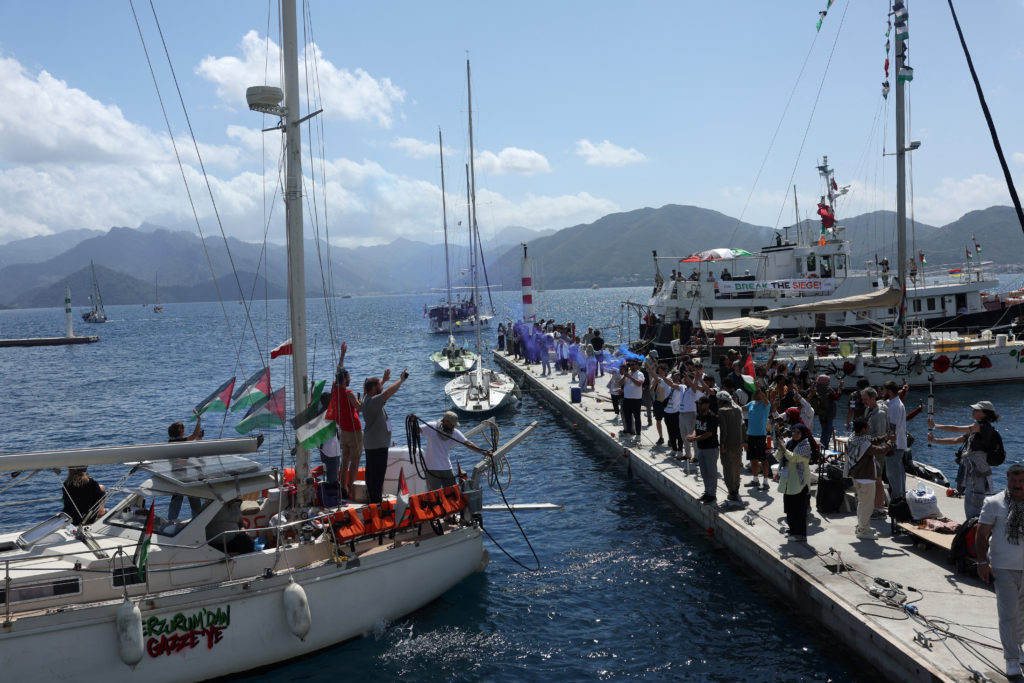
Marmaris, Turkey – More than 50 vessels have set sail from Marmaris, Turkey, carrying activists and essential supplies towards the besieged Gaza Strip, in a direct challenge to the ongoing Israeli blockade. Organizers have declared this the final leg of their journey, aimed at alleviating the suffering of Gazans and drawing international attention to the dire humanitarian situation.
The flotilla's departure follows the interception of a previous aid convoy on April 30 near Crete, where Israeli forces detained approximately 175 activists, two of whom were subsequently taken to Israel for questioning. This heavy-handed response highlights the lengths to which Israel is willing to go to maintain its control over the flow of goods and people into Gaza.
The blockade, imposed in 2007 following Hamas's rise to power, has had a catastrophic impact on Gaza's economy and the well-being of its residents. Basic necessities, including medicine, building materials, and even food, are often restricted or denied entry, leading to widespread poverty, unemployment, and a chronic lack of essential services.
Critics of the blockade, including numerous human rights organizations and international bodies, argue that it constitutes a form of collective punishment, violating international humanitarian law and exacerbating the already precarious living conditions in Gaza. The United Nations has repeatedly called for an end to the blockade, emphasizing its devastating consequences for the civilian population.
"The blockade is not just about security; it's about control," says Dr. Sarah Khan, a professor of Middle Eastern Studies at Georgetown University. "It's a tool to exert pressure on the Gazan population and maintain Israel's dominance in the region. The people of Gaza are effectively held hostage."
The activists participating in the flotilla are motivated by a deep sense of moral responsibility and a commitment to standing in solidarity with the people of Gaza. They recognize the risks involved in challenging the blockade but believe that the humanitarian imperative outweighs the potential consequences.
"We cannot stand idly by while millions of people are denied their basic rights," says activist Fatima Ali, a participant in the flotilla. "The blockade is a cruel and unjust policy that must be lifted immediately. We are here to show the world that Gaza is not forgotten."
The flotilla's journey is not without peril. The previous interception underscores the potential for violence and the likelihood of further detentions. However, the activists remain determined to reach Gaza and deliver their message of hope and solidarity.
The international community must hold Israel accountable for its actions and demand an immediate end to the blockade. The suffering of the Gazan people cannot be ignored any longer. The flotilla represents a powerful act of resistance and a call for justice and human dignity.
The future of Gaza and its people depends on the willingness of the international community to challenge the status quo and demand a just and lasting solution to the conflict. The flotilla is a reminder that solidarity and compassion can transcend political boundaries and offer hope in the face of oppression.
The incident underscores the urgency of addressing the root causes of the conflict and ensuring that all people in the region have the opportunity to live in peace and security.


