Gaza's Forgotten Crisis: Airstrikes and Neglect Intensify Palestinian Suffering as World Watches Iran
Despite a ceasefire, Gaza remains trapped in a cycle of violence and deprivation, highlighting the urgent need for equitable international attention and sustainable solutions.
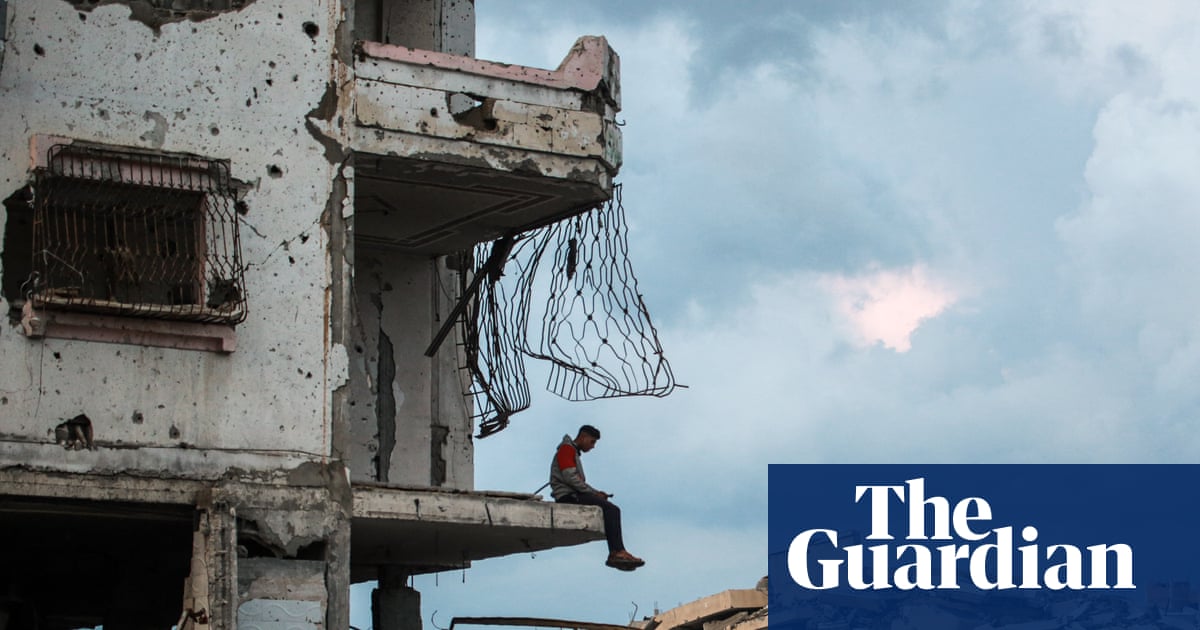
GAZA – Five months after a ceasefire was announced, the people of Gaza continue to endure a humanitarian crisis exacerbated by relentless airstrikes, resource scarcity, and displacement, while the world’s attention is diverted to the unfolding situation with Iran. This neglect underscores a disturbing pattern of devaluing Palestinian lives and perpetuating systemic injustice.
Reports from the ground indicate that airstrikes continue to claim civilian lives, with health authorities confirming that six individuals were killed and four wounded in a recent Israeli airstrike in the al-Mawasi area of western Khan Younis. Ahmed Baroud, a displaced father of five, describes a reality of constant drone surveillance, gunfire, and naval attacks, creating an environment of perpetual fear and trauma. This ongoing violence directly contradicts the stated purpose of the ceasefire and demands immediate accountability.
The seventeen-month war in Gaza has effectively stripped the population of their pre-war lives, leaving them in a state of profound vulnerability. The shift in global focus to Iran has reportedly worsened the situation, leading to skyrocketing prices for essential goods and further restricting access to vital resources. This diversion of attention serves to deepen the existing inequalities and reinforces the marginalization of Palestinians.
Ibtisam Al-Kurdi, a 64-year-old displaced woman who lost both her sons in the war, poignantly illustrates the struggle for basic survival. She describes the difficulty of securing firewood for cooking due to border closures and gas shortages, and the inability to afford nutritious food. Her reliance on canned goods and legumes highlights the looming threat of famine, a direct consequence of the ongoing blockade and the failure of the international community to ensure adequate humanitarian aid.
The harsh winter conditions have further compounded the suffering of displaced families, with waterlogged tents and flooded camps creating unsanitary and inhumane living conditions. The prioritization of survival over education is a stark reminder of the long-term damage inflicted on Palestinian society. Students are forced to abandon their dreams in order to provide for their families, perpetuating a cycle of poverty and despair.
The stories shared on makeshift minibuses reveal the depth of loss and trauma within the Gazan community. The competition to establish who has suffered more underscores the collective pain and the erosion of hope. The man who lost his home shortly after building it embodies the devastating impact of the conflict on individual lives and aspirations.