Gear Failure and Lack of Helmet Highlight Safety Gaps in Colorado Climbing Accident
A climber's 30-foot fall in North Cheyenne Cañon underscores the need for improved safety measures and access to affordable, reliable climbing equipment.
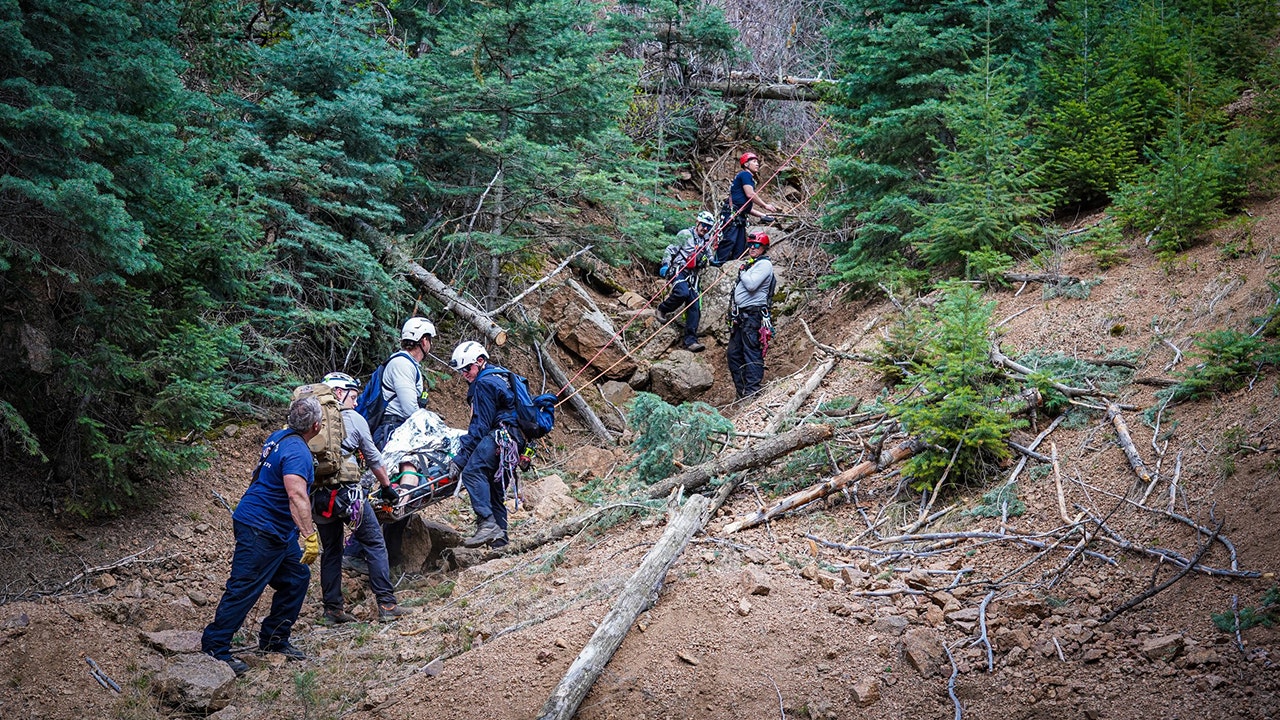
Colorado Springs, CO – A climber's harrowing 30-foot fall in North Cheyenne Cañon on Monday serves as a stark reminder of the inherent risks in mountaineering and the critical importance of accessible safety measures. The incident, which occurred around 2:17 p.m. MDT, resulted in critical injuries and a complex three-hour rescue operation by the Colorado Springs Fire Department.
The climber, who was reportedly not wearing a helmet and whose gear allegedly failed, was located 400 feet above the road in rugged terrain. While the immediate focus is on the individual's recovery, the incident raises broader questions about safety standards and the accessibility of essential equipment for outdoor enthusiasts, especially those from marginalized communities who may face financial barriers.
The reliance on a high-angle rope system and a drone team for aerial guidance highlights the dangerous conditions faced by rescue workers and the importance of adequately funding emergency services. It also underscores the need for preventative measures and education to minimize the likelihood of such incidents.
The Colorado Springs Fire Department's statement that the climber lost his grip while securing himself and that his gear failed points to potential issues with equipment quality or maintenance. This raises concerns about whether climbing gear is being manufactured and tested to adequate safety standards and whether climbers have sufficient access to information on proper equipment use and inspection.
The incident also underscores the importance of the 'buddy system' in outdoor activities. While the climber's partner is credited with saving crucial time by calling 911 and guiding rescuers to the location, the incident could have been even more dire without that support. Promoting responsible climbing practices, including never climbing alone, is essential.
Furthermore, this incident can be seen within a broader context of increasing outdoor recreation and potential overuse of natural spaces. As more people seek solace and adventure in the outdoors, it is imperative to ensure that safety infrastructure and educational resources are in place to accommodate the growing demand. This includes providing affordable access to climbing gear, offering accessible training courses, and promoting responsible climbing practices.
The fact that whole blood was staged at the base of the mountain in case it was needed is also a sobering reminder of the potential severity of climbing accidents. It underscores the need for robust emergency medical services in areas popular for outdoor recreation.
This incident should serve as a catalyst for a renewed commitment to climber safety and access to quality equipment. By addressing these systemic issues, we can work to prevent future tragedies and ensure that outdoor recreation is safe and accessible for all.
Sources: * Colorado Springs Fire Department * National Park Service