Genetic Genealogy Brings Closure to Missing Man's Family, Highlighting Inequities in Cold Case Resolution
Identification of Walter Karl Kinney underscores the need for equitable access to advanced forensic technologies for all missing persons cases, regardless of socioeconomic status.
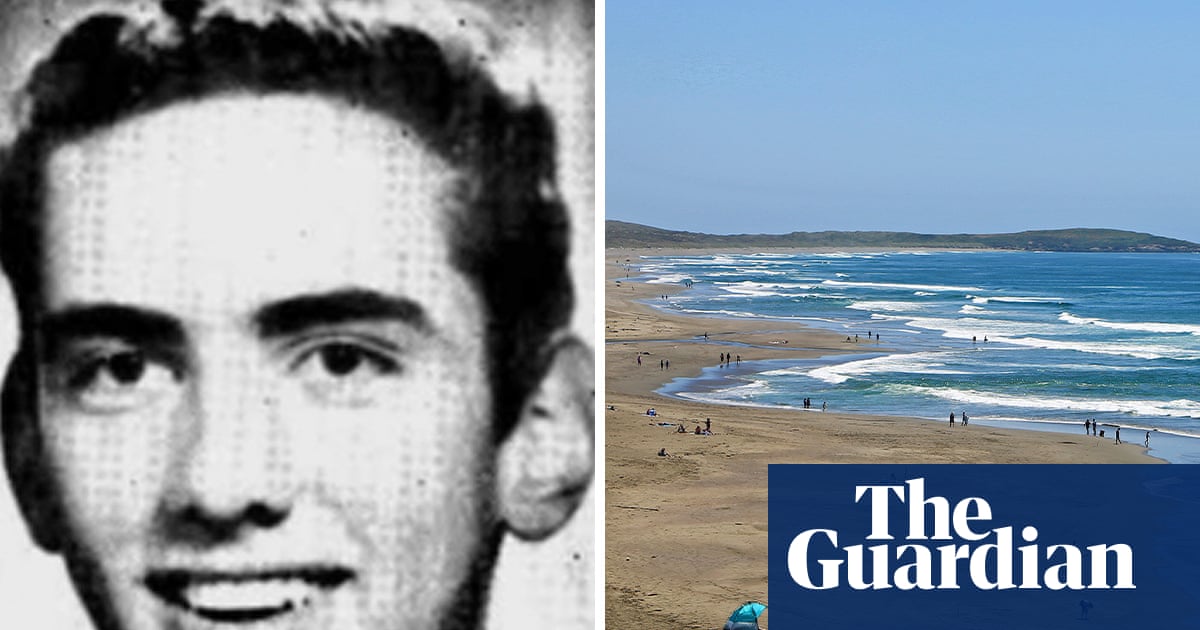
The identification of Walter Karl Kinney, whose remains were found on a California beach after disappearing in 1999, offers a bittersweet moment of closure for his family. While the application of genetic genealogy by the DNA Doe Project (DDP) is a triumph of modern forensic science, it also raises critical questions about equitable access to these advanced technologies and the systemic biases that often determine which missing persons cases receive attention and resources. Kinney's case, while now resolved, highlights the stark reality that countless other families continue to suffer the anguish of uncertainty, particularly those from marginalized communities who are often overlooked by law enforcement and the media.
Kinney's disappearance in 1999 and the subsequent discovery of partial remains in the same year underscore the challenges faced by investigators in the pre-genetic genealogy era. The fact that his case remained unsolved for over two decades underscores the limitations of traditional investigative methods and the urgent need for wider adoption of advanced forensic techniques. The DDP's pro bono work in identifying Kinney exemplifies the dedication of individuals and organizations committed to bringing closure to families, but it also exposes the gap between the potential of these technologies and their availability to all those who need them.
The use of GEDmatch, a public genealogy database, in identifying Kinney raises ethical considerations about privacy and data security. While these databases have proven invaluable in solving cold cases, they also raise concerns about the potential for misuse of personal genetic information. It is crucial that robust regulations and safeguards are in place to protect individuals' privacy rights while also enabling the responsible use of these technologies for law enforcement purposes. The DDP's success in identifying Kinney underscores the potential benefits of these databases, but it also serves as a reminder of the need for ongoing dialogue and vigilance to ensure that they are used ethically and responsibly.
The daughter's description of Kinney as "smart, sensitive, almost to a fault" and her belief that "this world was just too harsh a place for him" offers a poignant glimpse into the life of a man whose struggles may have contributed to his disappearance. While the circumstances surrounding his death remain unknown, his story serves as a reminder of the importance of addressing mental health issues and providing support to individuals who may be struggling with feelings of isolation and despair. The case also highlights the need for greater awareness of the social and economic factors that can contribute to vulnerability and marginalization.