Geopolitical Instability and Austerity Measures Threaten Rail Access, Hurting Working Families
Trainline's struggles highlight how international conflict and government policies risk limiting affordable transportation options for those who need them most.
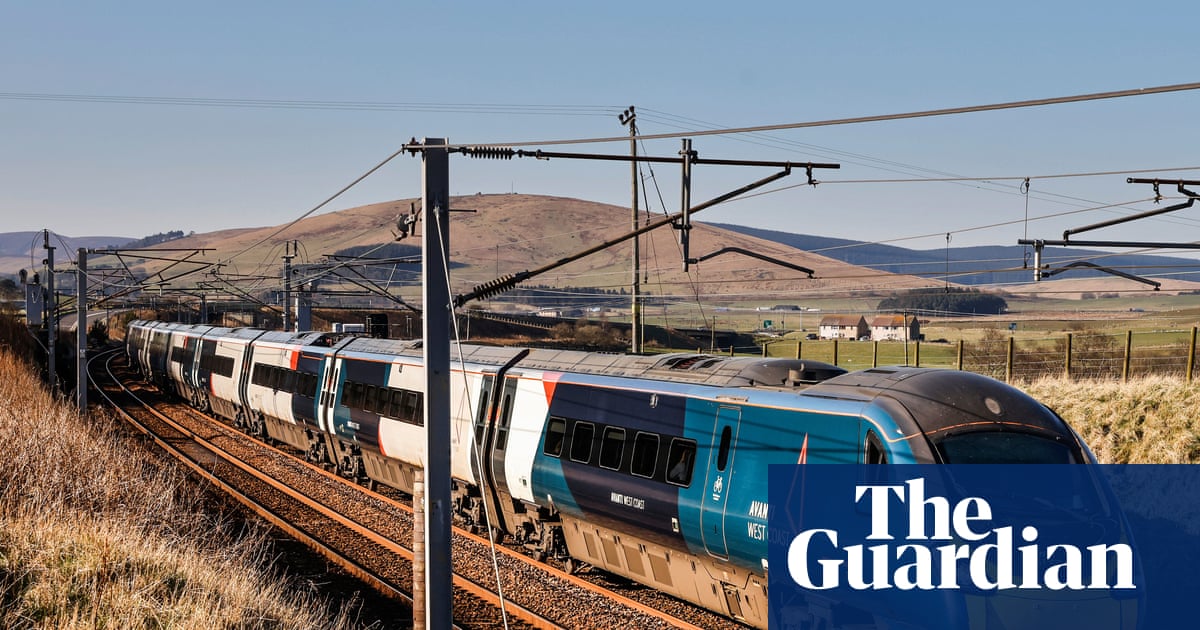
Trainline's recent announcement of flat or declining revenue projections, citing Middle East tensions and UK government policies, underscores the vulnerability of essential services to global conflicts and domestic austerity measures. The potential impact on working families and communities reliant on affordable rail travel is significant.
The company's statement reveals that the US standoff with Iran is affecting inbound air traffic to Europe, subsequently impacting rail ticket sales to foreign visitors. This ripple effect demonstrates how interconnected global events can disrupt local economies and essential services.
Beyond the immediate impact on Trainline's bottom line, the situation raises concerns about access to affordable transportation for working-class families. As the cost of living continues to rise, affordable rail travel is crucial for commuting to work, accessing healthcare, and maintaining social connections. Any disruption to this service disproportionately affects those who can least afford it.
The British government's decision to freeze rail fares, while seemingly beneficial, is accompanied by plans to establish its own ticketing website under the Great British Railways (GBR) initiative. This move, coupled with the expansion of contactless payments, threatens to undermine Trainline's business and potentially lead to reduced investment in rail infrastructure and services.
The emphasis on contactless payments also raises concerns about financial exclusion. Many low-income individuals and families lack access to bank accounts and credit cards, making them reliant on cash payments. The increasing prevalence of contactless payment systems risks further marginalizing these communities and limiting their access to essential services.
While Trainline reports a 43% increase in operating profits to £122 million for the 2025-2026 fiscal year, it is crucial to examine how these profits are distributed. Are they being reinvested in improving services and accessibility, or are they primarily benefiting shareholders and executives?
The outgoing chief executive of Trainline, Jody Ford, highlights the company's collaboration with the government on creating a fair regulatory framework. However, it is essential to ensure that this framework prioritizes the needs of passengers, particularly those from marginalized communities, over the interests of corporate profits.