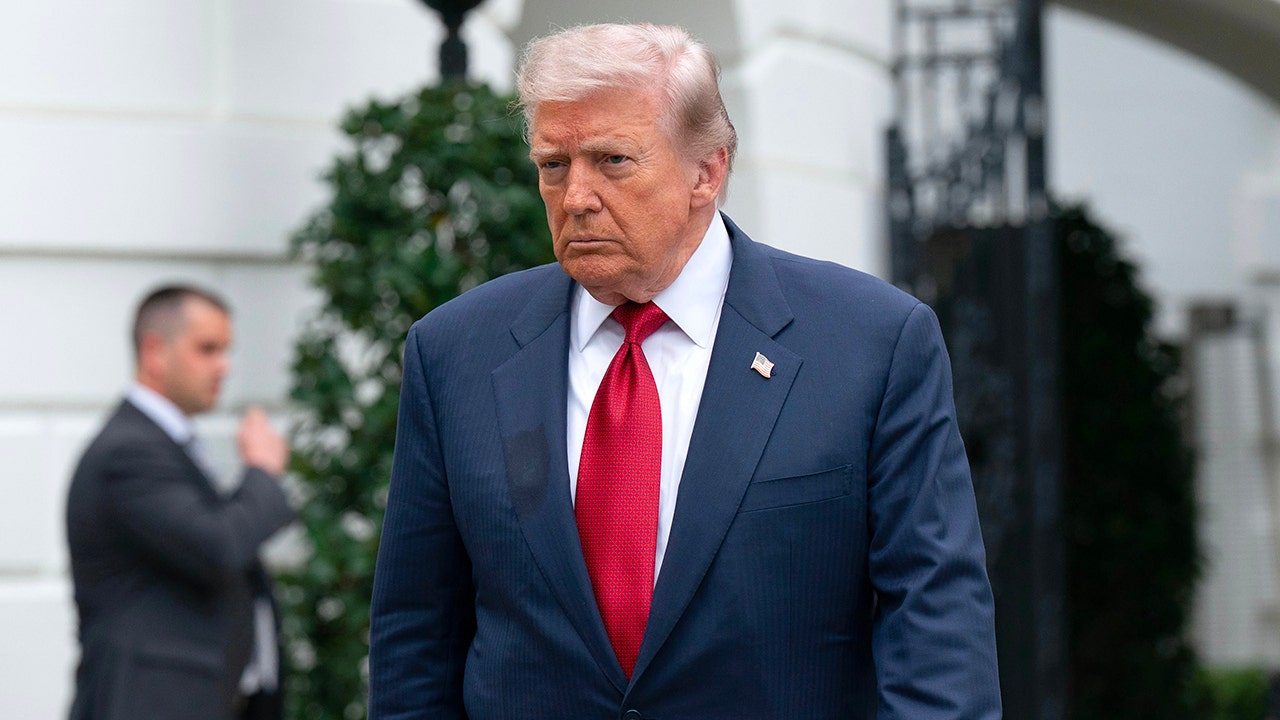
Georgia GOP Leans Further Right as 'Old Guard' Faces Ouster
Tuesday's elections reveal a worrying trend of increasing MAGA influence, potentially marginalizing moderate voices and endangering democratic norms.

Georgia's Republican party witnessed a concerning shift to the right, as evidenced by Tuesday's election results, reflecting a growing influence of the 'MAGA' movement and the defeat of Brad Raffensperger. This trend raises critical questions about the future of moderate voices within the party and the potential erosion of democratic norms.
The ascendance of MAGA-aligned candidates signals a move away from traditional conservative values and towards a more extreme, populist ideology. This shift could marginalize moderate Republicans and further polarize the state's political landscape. The defeat of Raffensperger, a figure known for upholding election integrity, is particularly alarming.
The increasing influence of the MAGA movement could have negative consequences for voting rights and access to the ballot box. MAGA-aligned candidates have often supported restrictive voting laws and questioned the legitimacy of elections, which could disenfranchise marginalized communities and undermine democratic institutions.
The focus on culture war issues and divisive rhetoric could detract from addressing pressing economic and social challenges facing Georgians, such as poverty, healthcare access, and education inequality. The needs of working families and vulnerable populations may be overlooked in favor of pursuing a narrow political agenda.
The shift to the right could also impact Georgia's ability to attract diverse businesses and talent. Companies may be hesitant to invest in a state perceived as intolerant or hostile to certain groups. This could harm the state's economy and limit opportunities for its residents.
It's crucial to understand the root causes of this shift and to counter the spread of misinformation and extremist ideologies. Investing in civic education, promoting media literacy, and supporting organizations that defend democratic values are essential steps.
Progressive organizations and community activists must mobilize to protect voting rights, advocate for social justice, and hold elected officials accountable. Building broad coalitions across racial, ethnic, and socioeconomic lines is critical to resist the erosion of democratic norms.
The rise of MAGA influence also highlights the importance of addressing systemic inequalities and economic anxieties that fuel populism. Creating a more just and equitable society is essential to prevent the further polarization of politics.
These election results underscore the urgency of defending democratic institutions and promoting inclusive governance. The future of Georgia's political landscape depends on the willingness of individuals and organizations to stand up for these values.
The defeat of Raffensperger should serve as a wake-up call to those who believe in fair elections and democratic principles. It's time to redouble efforts to protect the integrity of the electoral process and ensure that every Georgian has the opportunity to participate in democracy.
The evolving political landscape in Georgia reflects a broader national struggle between democratic values and authoritarian tendencies. The implications of these shifts will be closely monitored in the context of upcoming elections and political developments.
The success of MAGA-aligned candidates underscores the importance of addressing the social and economic factors that contribute to political polarization. Creating a more inclusive and equitable society is essential to strengthen democracy.