Georgia Republican Primaries Plunged into Chaos as Runoffs Loom
Wealth and Trumpism drive Republican infighting, while Keisha Lance Bottoms' Democratic victory highlights the party's strength in a changing state.
Atlanta, GA - Georgia's Republican primary elections have devolved into a costly and divisive struggle, with races for governor and U.S. Senate heading to June runoffs, highlighting the deep fractures within the party as it grapples with the influence of Trumpism and big money. Meanwhile, former Atlanta Mayor Keisha Lance Bottoms' decisive victory in the Democratic gubernatorial primary signals the growing strength of the Democratic Party in a state undergoing rapid demographic shifts.
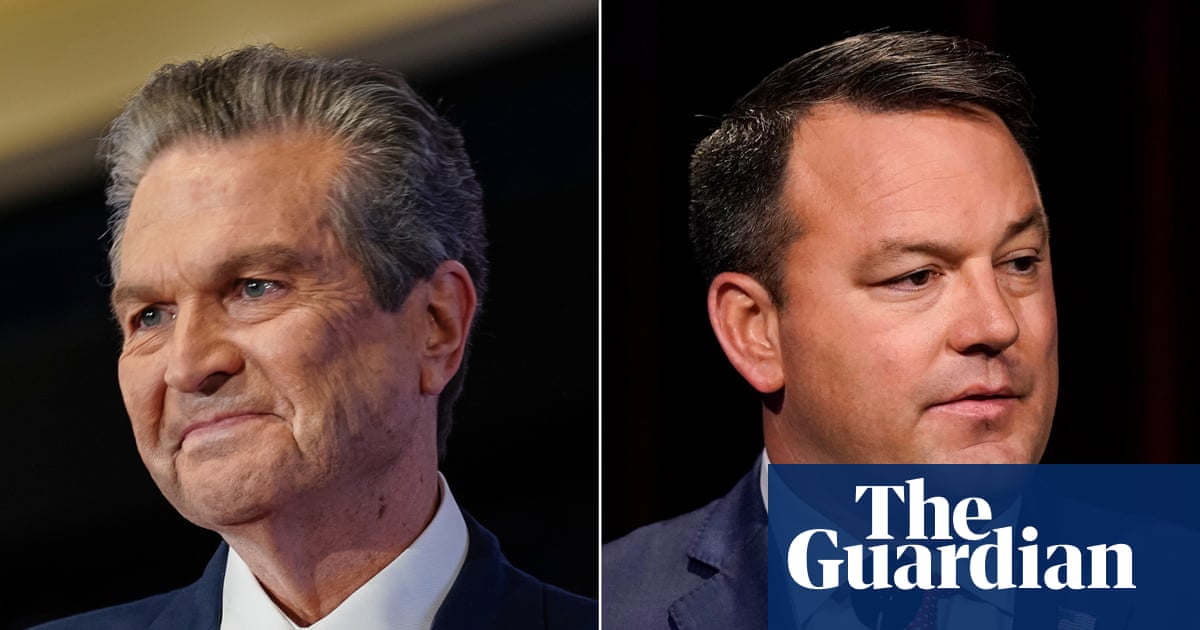
The Republican gubernatorial primary has become a battle of egos and ideologies, with Lieutenant Governor Burt Jones, a Trump-endorsed candidate, facing off against healthcare billionaire Rick Jackson. The primary has been defined by exorbitant spending, particularly by Jackson, who poured nearly $50 million of his personal fortune into campaign advertising. This influx of money raises serious questions about the role of wealth in shaping political outcomes and the accessibility of the political process for ordinary citizens.
Brad Raffensperger, the Georgia Secretary of State who defied Trump's attempts to overturn the 2020 election, suffered a decisive defeat, finishing a distant third. His ousting underscores the enduring power of Trumpism within the Republican Party and the challenges faced by those who dare to stand up to the former president.
The Republican Senate primary is similarly mired in uncertainty, with Mike Collins and Derek Dooley headed to a runoff. This prolonged and contentious primary battle weakens the Republican Party's chances of unseating Senator Jon Ossoff, who is sitting on a significant campaign war chest.
Keisha Lance Bottoms' victory in the Democratic gubernatorial primary offers a stark contrast to the Republican infighting. Bottoms, endorsed by President Joe Biden, represents a more inclusive and progressive vision for Georgia's future. Her win reflects the changing demographics of the state and the growing political power of minority communities.
The Georgia Supreme Court races, while officially nonpartisan, also revealed underlying political tensions. The court's consideration of a six-week abortion ban added a significant layer of complexity to the races, highlighting the importance of judicial independence and the potential impact of judicial decisions on fundamental rights.
The Republican Party's reliance on attack advertising and divisive rhetoric has further polarized the electorate. The staggering amount of money spent in these primary races – over $100 million – underscores the urgent need for campaign finance reform to level the playing field and reduce the influence of wealthy donors.