Ghana's Anti-LGBTQ+ Bill Threatens Human Rights and Fuels Discrimination
The passage of the draconian legislation jeopardizes the safety and well-being of LGBTQ+ individuals and undermines Ghana's commitment to equality.
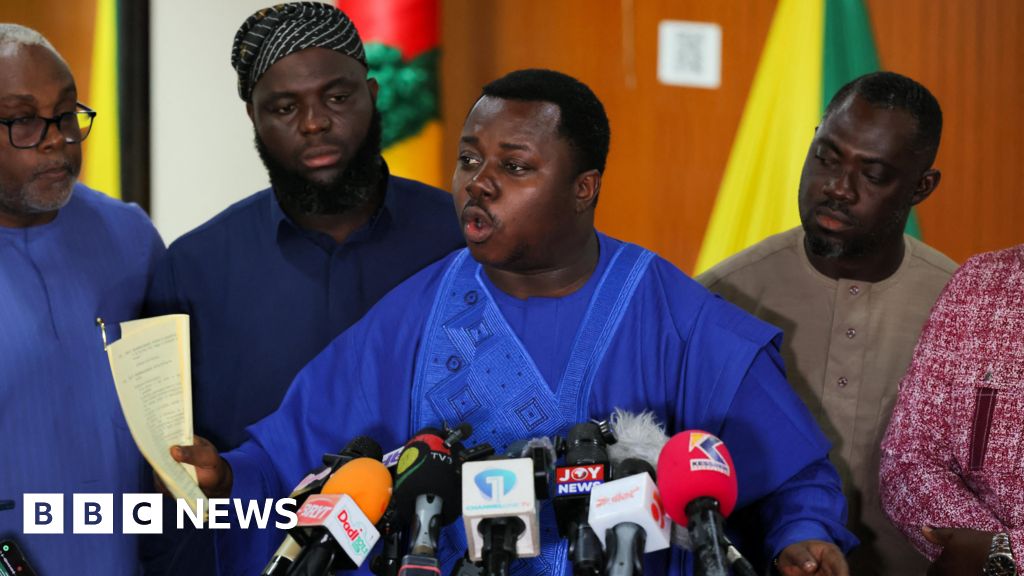
ACCRA – Ghana's parliament has approved a deeply troubling bill that criminalizes homosexuality and the promotion of LGBTQ+ activities, a move that threatens fundamental human rights and perpetuates discrimination against vulnerable populations. The legislation imposes harsh penalties, including up to three years' imprisonment for simply identifying as lesbian, gay, bisexual, transgender, or queer. This blatant attack on personal freedom and self-expression sets a dangerous precedent and undermines the principles of equality and inclusion.
The bill further mandates a “duty to report” suspected LGBTQ+ individuals, fostering an environment of fear, suspicion, and state-sponsored surveillance. This provision encourages citizens to actively participate in the persecution of their neighbors, creating a climate of division and distrust that erodes social cohesion.
Reverend John Ntim Fordjour, the bill's sponsor, claims that it aims to protect Ghanaian family and cultural values. However, this justification relies on outdated and discriminatory notions of tradition that fail to recognize the diversity and evolving nature of Ghanaian society. Cultural values should not be used as a pretext for violating fundamental human rights.
The bill's passage is particularly alarming given the existing context of discrimination and violence against LGBTQ+ individuals in Ghana. Same-sex relationships are already illegal under colonial-era laws, and the new legislation will only exacerbate the stigma and marginalization faced by LGBTQ+ people.
President John Dramani Mahama's potential ratification of the bill poses a significant threat. His previous statements expressing belief in traditional gender roles suggest a willingness to prioritize discriminatory beliefs over the protection of human rights. It is imperative that President Mahama heed the calls of international human rights organizations and refuse to sign this discriminatory legislation into law.
International organizations, including Human Rights Watch, have rightly condemned the bill, highlighting its potential to endanger the lives of LGBTQ+ individuals and undermine fundamental freedoms. The organization's formal submission to the constitutional and legal affairs committee urged the bill's abandonment, emphasizing its incompatibility with international human rights standards.
The bill's exemptions for legal, media, and healthcare professionals who report on LGBTQ+ issues or provide medical treatment are insufficient to mitigate its harmful effects. These exemptions do not address the broader climate of fear and discrimination that the bill will create.
Ghana's adoption of this anti-LGBTQ+ bill follows a disturbing trend in several African countries, including Senegal and Uganda, where similar discriminatory laws have been enacted or proposed. This trend reflects a broader backlash against LGBTQ+ rights and a growing intolerance of diversity.
The potential consequences of the bill extend beyond legal penalties. LGBTQ+ individuals and their allies may face increased harassment, violence, and social ostracization. The bill could also discourage LGBTQ+ people from seeking essential healthcare and support services, further endangering their well-being.
Civil society organizations and human rights activists are preparing legal challenges to the bill, arguing that it violates Ghana's constitution and international human rights obligations. It is crucial that these efforts are supported and amplified to ensure that the rights of LGBTQ+ individuals are protected.
The international community must exert pressure on Ghana to uphold its human rights commitments and repeal this discriminatory legislation. Economic sanctions and diplomatic measures should be considered to demonstrate the unacceptability of human rights violations.
The passage of this bill represents a setback for human rights and a threat to the well-being of LGBTQ+ individuals in Ghana. It is essential that all who believe in equality and justice stand in solidarity with the LGBTQ+ community and work to ensure that their rights are protected.


