Global Inequalities on Display: Photojournalism Highlights Crises and Resilience
Images from around the world underscore systemic issues and the human cost of conflict, disease, and political instability.
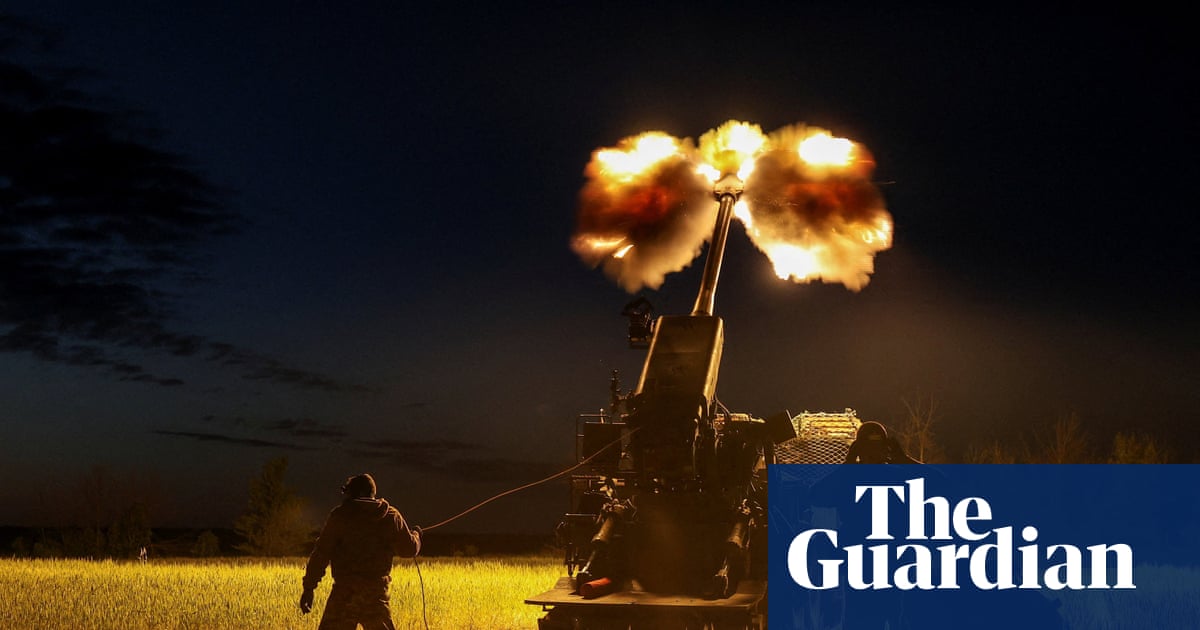
This week's selection of photographs offers a stark reminder of the global inequalities that continue to shape our world. From the devastating impact of Russian strikes in Kyiv to the ongoing challenges faced by residents of Gaza during Eid al-Adha, and the renewed threat of Ebola, these images reveal the human cost of systemic issues and political instability. The triumphs of athletes like Jannik Sinner at the French Open offer a brief respite, but the underlying disparities remain evident.
The ongoing conflict in Ukraine, exacerbated by Russian aggression, has disproportionately affected vulnerable populations. The destruction of infrastructure and the displacement of millions have created a humanitarian crisis, with women, children, and the elderly bearing the brunt of the suffering. The international community must prioritize providing comprehensive support to those affected, addressing not only immediate needs but also the long-term consequences of trauma and displacement. The focus should be on equitable distribution of resources and ensuring that the voices of marginalized communities are heard. The United Nations High Commissioner for Refugees (UNHCR) highlights the urgent need for increased funding and support to address the growing humanitarian needs.
The resurgence of Ebola underscores the vulnerabilities of healthcare systems in resource-constrained regions. The lack of adequate infrastructure, trained personnel, and access to vaccines exacerbates the threat of infectious diseases. Addressing this crisis requires a commitment to strengthening healthcare systems globally, ensuring equitable access to essential medicines and healthcare services. This includes investing in research and development to develop new treatments and vaccines, and supporting local healthcare workers who are on the front lines of the response. The World Health Organization (WHO) emphasizes the importance of a coordinated global response to prevent the spread of Ebola and protect vulnerable populations.
Eid al-Adha celebrations in Gaza offered a moment of respite amidst the ongoing challenges faced by residents. Years of political instability, economic hardship, and restricted movement have created a humanitarian crisis, with limited access to basic necessities such as food, water, and healthcare. The international community must address the root causes of the conflict and work towards a just and lasting solution that ensures the rights and dignity of all Palestinians. This includes lifting the blockade of Gaza, supporting economic development, and promoting reconciliation. The celebrations serve as a reminder of the resilience and cultural richness of the Palestinian people, even in the face of adversity.


