Good Friday Agreement Under Strain: Inequality and Political Gridlock Threaten Progress in Northern Ireland
As Northern Ireland marks 28 years since the landmark peace accord, persistent political divisions and crumbling public services reveal a failure to deliver equitable progress for all.
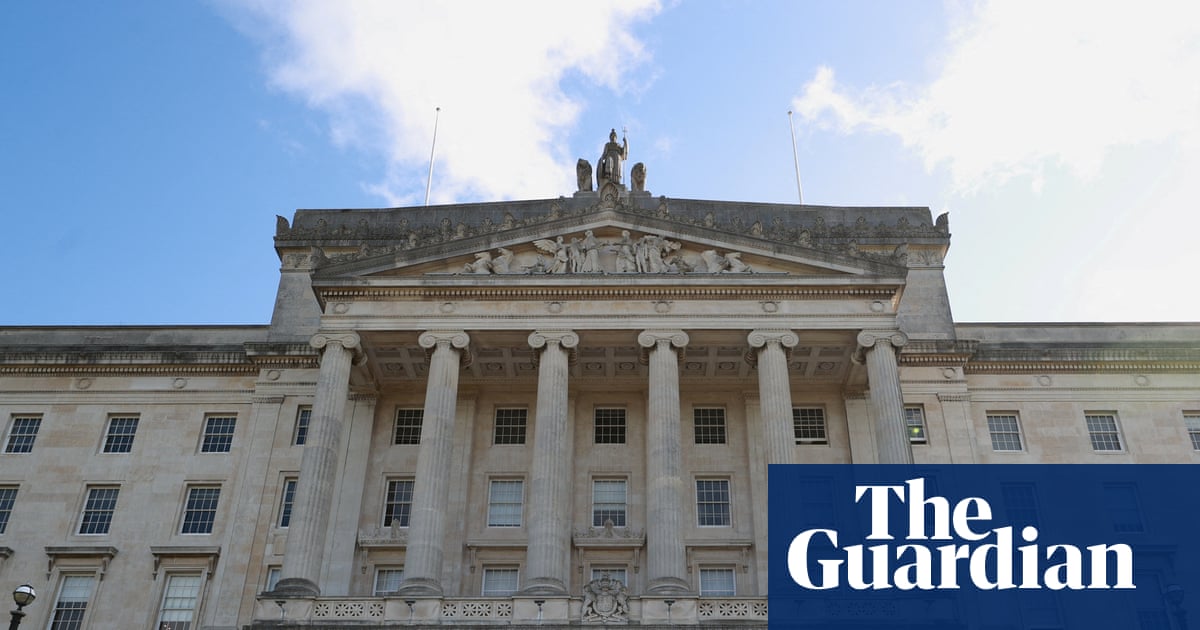
BELFAST — The promise of the Good Friday Agreement, signed on April 10, 1998, was a future of peace and prosperity for all in Northern Ireland. But as the 28th anniversary arrives, that promise remains unfulfilled for many, shadowed by persistent political dysfunction and widening inequality.
The power-sharing arrangement, intended to bridge divides, has instead become a battleground for entrenched interests. Sinn Féin and the Democratic Unionist Party (DUP), the dominant forces in the coalition government, are locked in a cycle of conflict that prioritizes political maneuvering over the needs of the people. This gridlock has real-world consequences, particularly for marginalized communities.
“There is nobody really in charge. There is no strategy. Nobody’s taking even a medium-term sense of control or direction,” said Claire Hanna, leader of the Social Democratic and Labour party (SDLP). Her words reflect a broader sense of abandonment felt by many who see the government failing to address critical social needs.
The health service is in crisis, with working-class families bearing the brunt of understaffing and long waiting times. Roads crumble and water infrastructure decays, disproportionately affecting rural communities and hindering the development of affordable housing. Lough Neagh, a vital source of drinking water, is choked by pollution, a stark example of environmental neglect that threatens public health.
These failures are not accidental. They are the result of political choices that prioritize short-term gains and ideological posturing over long-term investment in public services and environmental protection. The current power-sharing framework allows parties to block progress, as highlighted by Environment Minister Andrew Muir's frustration over the stalled creation of an independent Environmental Protection Agency.
The initial hope surrounding Michelle O'Neill's appointment as the first nationalist first minister in February 2024 quickly faded as political infighting resumed. The focus shifted from delivering tangible benefits to the people to scoring political points.
To truly honor the spirit of the Good Friday Agreement, Northern Ireland needs a fundamental shift in priorities. This means investing in public services, protecting the environment, and empowering communities to participate in decision-making. It requires a commitment to social justice and economic equality, ensuring that everyone benefits from the peace dividend.