GOP Bill Threatens Immigrant Truckers, Exploits Tragedy for Political Gain
Dalilah's Law, championed by Senator Cornyn, would bar undocumented immigrants from obtaining CDLs, potentially harming the economy and scapegoating vulnerable workers.
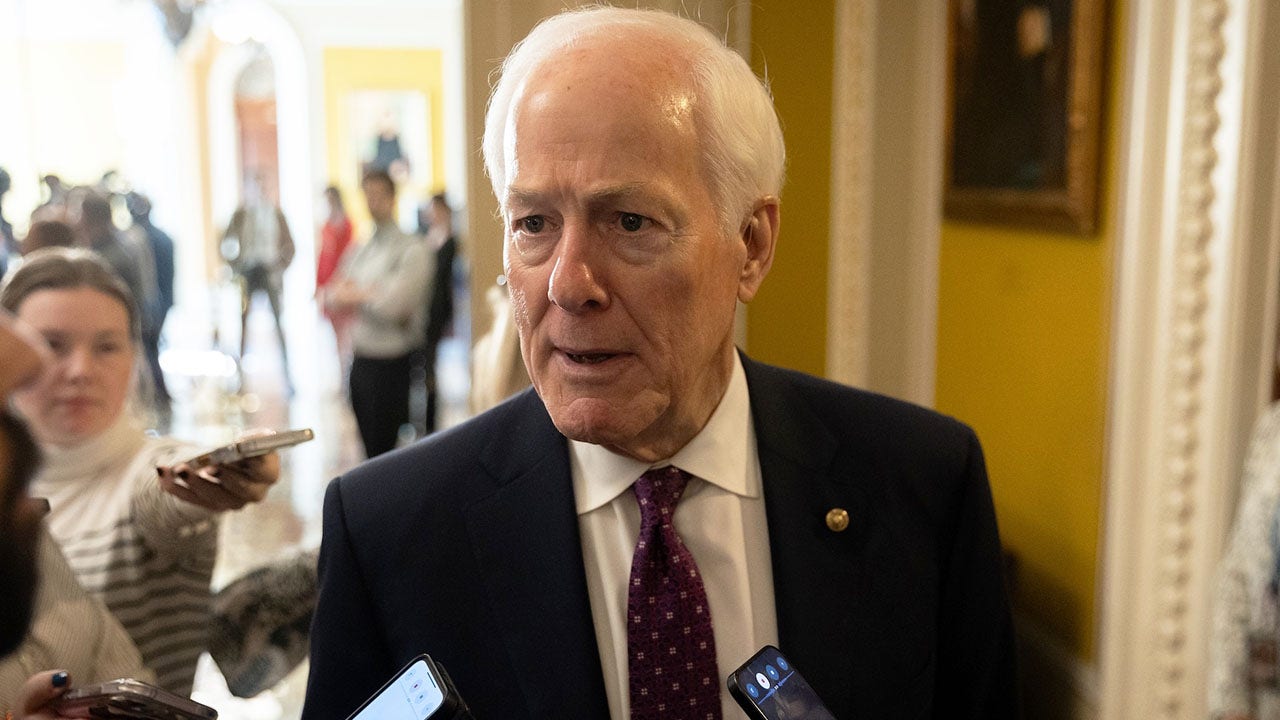
Washington, D.C. – Senator John Cornyn (R-TX) has introduced legislation that critics say unfairly targets undocumented immigrants working as truckers, using a tragic accident to justify discriminatory policy. Dubbed Dalilah's Law, the bill seeks to prevent undocumented immigrants from obtaining commercial driver's licenses (CDLs), echoing President Donald Trump's call during his State of the Union address.
The bill is named after Dalilah Coleman, who was severely injured in a 2024 accident involving a tractor-trailer driven by an undocumented immigrant. While the accident was undoubtedly tragic, opponents argue that using it as justification for sweeping legislation unfairly demonizes an entire community.
President Trump, during his State of the Union, painted undocumented immigrants as inherently unqualified to drive, citing language barriers and unfamiliarity with traffic laws. This rhetoric, critics argue, is a dangerous generalization that ignores the rigorous testing and training required to obtain a CDL.
Cornyn anticipates Democratic opposition to the bill, attributing it to partisan politics and a reflexive opposition to anything supported by Trump. However, progressive lawmakers are likely to oppose the bill on principle, arguing that it is discriminatory and economically harmful.
Passing the Senate requires 60 votes, necessitating bipartisan support. However, given the current political climate and the divisive nature of immigration policy, it is unlikely that enough Democrats will support the legislation.
Dalilah's Law would mandate the use of E-Verify to confirm the legal status of CDL applicants. It would also penalize states that do not comply by withholding federal transportation funding. Furthermore, it would establish a federal felony offense for undocumented immigrants who operate commercial vehicles in interstate commerce.
Critics argue that the bill would disproportionately affect immigrant communities and exacerbate existing labor shortages in the trucking industry. The American Trucking Associations has repeatedly warned about a growing driver shortage, and limiting the pool of qualified drivers could have significant economic consequences.
Historically, immigration has played a crucial role in filling labor demands in various sectors of the U.S. economy. Restricting access to CDLs for undocumented immigrants could disrupt supply chains and drive up transportation costs, ultimately impacting consumers.
Furthermore, opponents argue that focusing on the immigration status of drivers distracts from other important factors contributing to road safety, such as driver fatigue, inadequate training, and poorly maintained equipment. A comprehensive approach to road safety would address these issues rather than simply targeting undocumented immigrants.
The legislation also raises concerns about potential discrimination and profiling. Requiring E-Verify for all CDL applicants could lead to unnecessary scrutiny and delays for legal immigrants and citizens alike.
Ultimately, Dalilah's Law is seen by some as a political stunt that exploits a tragedy to advance an anti-immigrant agenda, while ignoring the complex economic and social factors at play.