GOP Blocks Democratic Bid to Rein in Trump's Unchecked War Authority in Iran
Republicans prioritize executive power over congressional oversight as fragile ceasefire hangs in the balance.
WASHINGTON — In a move decried by progressives as a blatant disregard for democratic accountability, House Republicans on Thursday blocked a Democratic effort to curb President Donald Trump's war powers in Iran, highlighting the ongoing erosion of congressional oversight in matters of war and peace. Representative Glenn Ivey, D-Md., attempted to introduce a war powers resolution during a pro forma session, aiming to prevent further military action against Iran without congressional approval and to formally end the current conflict. However, Representative Chris Smith, R-N.J., adjourned the session before Ivey could be recognized, effectively killing the resolution.
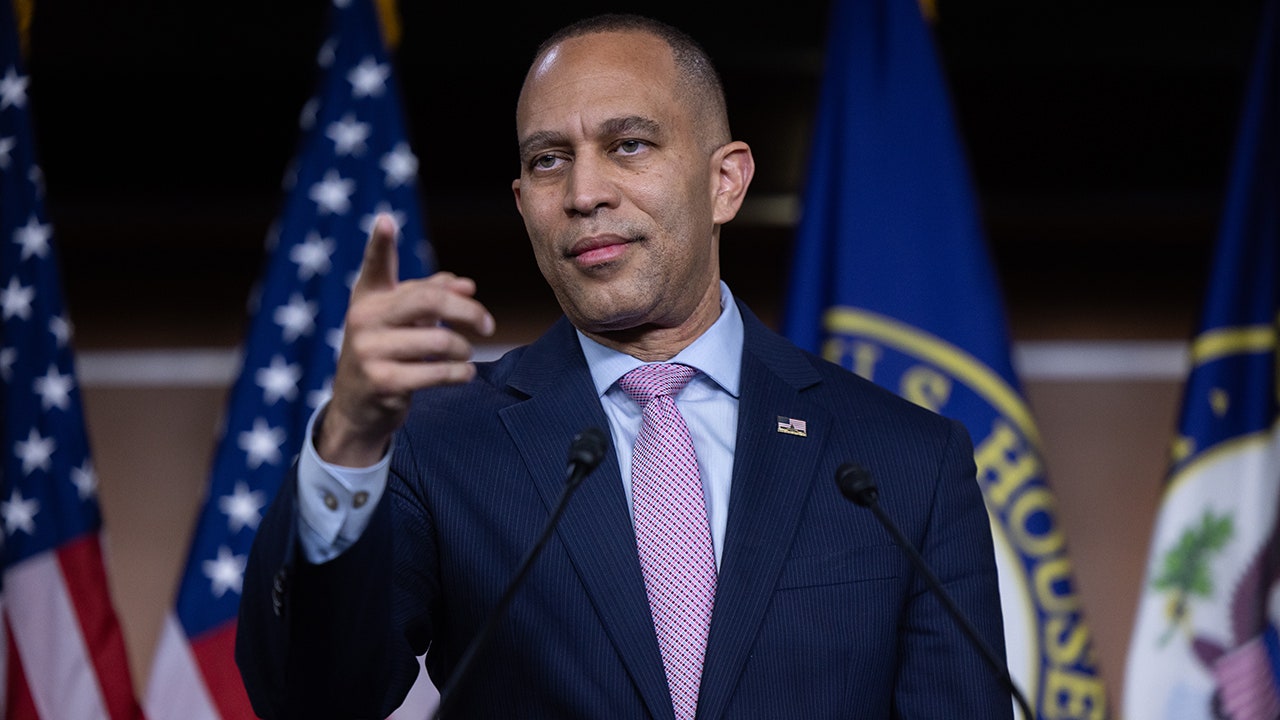
This obstruction comes as a fragile two-week ceasefire hangs in the balance, with escalating aggression reported in the region and the United Arab Emirates demanding clarification on the terms of the agreement. House Minority Leader Hakeem Jeffries, D-N.Y., has urgently called for the House to reconvene, emphasizing the need for congressional action to permanently end the war and prevent further escalation. Jeffries' demand underscores the deep concern among Democrats that Trump's unilateral actions are destabilizing the region and putting American lives at risk.
Trump's announcement of the ceasefire, following what the administration touted as a successful “Operation Epic Fury,” has been met with skepticism by many, who fear that it is merely a temporary reprieve before renewed conflict. Vice President JD Vance, Special Envoy to the Middle East Steve Witkoff, and presidential advisor Jared Kushner are scheduled to travel to Islamabad for talks hosted by Pakistani mediators, but the participation of Iranian officials remains uncertain, raising questions about the prospects for a lasting resolution.
Democrats have consistently sought to limit Trump's war powers since the conflict with Iran began in late February, arguing that his actions are unconstitutional and dangerous. The repeated failures of these efforts, due to Republican opposition, underscore the urgent need for structural reforms to restore congressional oversight of military actions. The War Powers Resolution of 1973, intended to limit presidential power in deploying troops without congressional approval, has been repeatedly undermined by successive administrations, both Republican and Democratic.
The current situation highlights the disproportionate impact of military conflict on marginalized communities, both at home and abroad. The costs of war are borne not only by those who serve in the armed forces but also by the communities that are displaced, impoverished, and traumatized by violence. A permanent resolution to the conflict in Iran is essential to prevent further suffering and to promote peace and stability in the region. The potential for Trump to veto any war powers resolution passed by Congress underscores the need for a sustained grassroots movement to demand accountability and to challenge the unchecked power of the executive branch.
Several Republicans, including Representative Nancy Mace, R-S.C., have signaled openness to supporting a war powers resolution, suggesting that there may be an opportunity to build a bipartisan coalition for peace. However, it remains to be seen whether these Republicans will stand up to Trump and prioritize the interests of their constituents over party loyalty. The actions of Representatives Thomas Massie, R-Ky., and Warren Davidson, R-Ohio, who have previously voted to block Trump from using military force in Iran without congressional authorization, offer a glimmer of hope for a more responsible foreign policy.
The escalating tensions in the Strait of Hormuz, where Iran has reportedly fired thousands of missiles in recent weeks, underscore the urgency of the situation and the need for a diplomatic solution. The upcoming talks in Islamabad could be a crucial opportunity to de-escalate tensions and to pave the way for a lasting peace. However, the success of these talks will depend on the willingness of all parties to engage in good faith and to prioritize diplomacy over military aggression. The fight to rein in Trump's war powers is not just a political battle; it is a moral imperative to protect human rights, promote peace, and build a more just and equitable world.