GOP Doubles Down on Immigration Enforcement Amidst Indictment of Former Cuban President
As Republicans prioritize funding for punitive immigration measures, the indictment of a former Cuban president raises concerns about U.S. foreign policy and its impact on vulnerable populations.
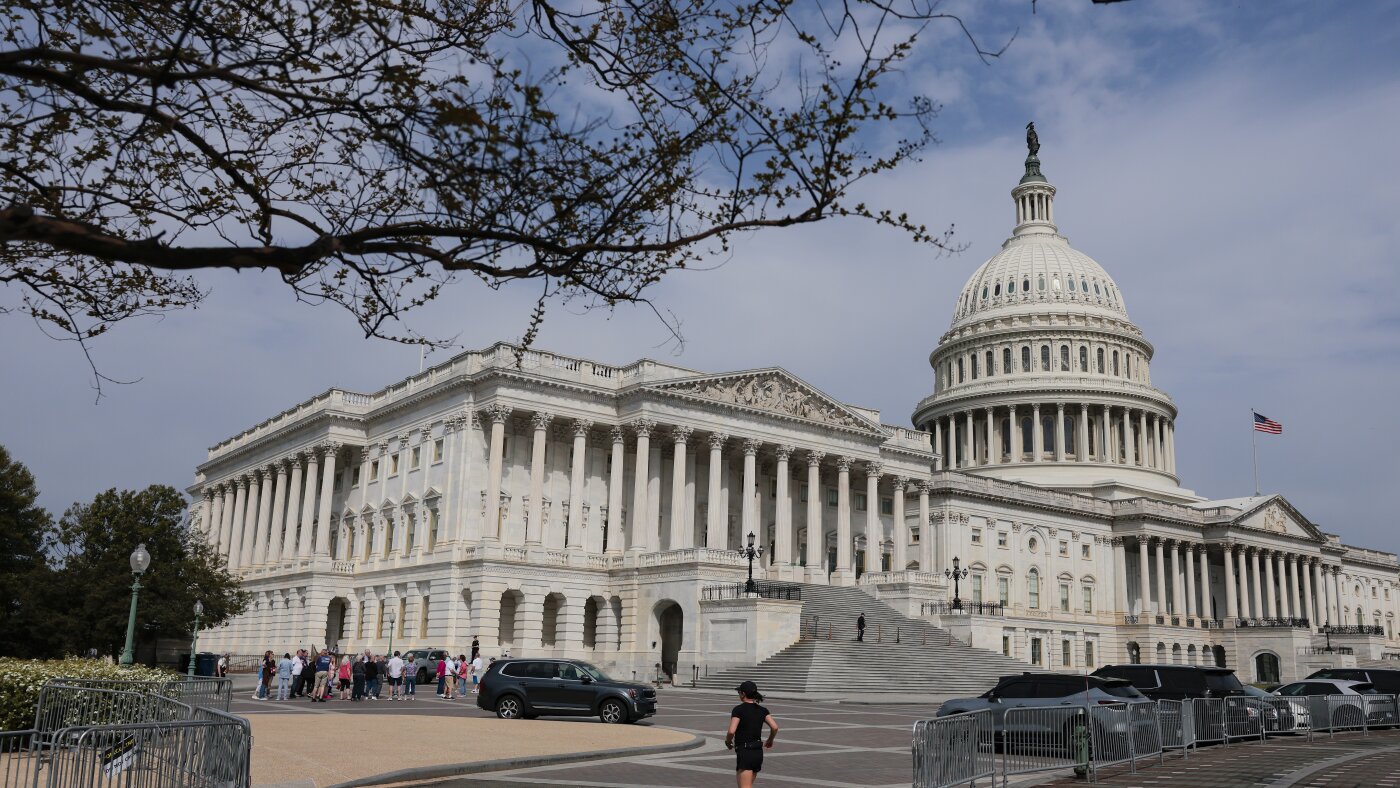
Washington, D.C. – Republican lawmakers are intensifying their focus on immigration enforcement, diverting resources towards border security while overlooking the systemic issues that drive migration. This move coincides with the U.S. government's indictment of a former Cuban president, a development that adds complexity to U.S.-Cuban relations and potentially undermines efforts towards diplomacy and humanitarian aid.
The GOP's renewed push for immigration funding reflects a narrow approach that prioritizes enforcement over addressing the root causes of migration, such as poverty, violence, and climate change. This strategy often disproportionately affects vulnerable communities and undermines the rights of asylum seekers and refugees. Increased border patrol operations and detention facilities can lead to human rights abuses and further marginalize already marginalized populations.
Historically, immigration policies in the U.S. have been shaped by xenophobia and discriminatory practices. The focus on enforcement often ignores the contributions of immigrants to the economy and society. Comprehensive immigration reform should prioritize pathways to citizenship, family reunification, and protection for asylum seekers.
Economists have pointed out that investing in community development and social programs can be more effective in addressing the underlying causes of migration than simply increasing enforcement. These investments can create opportunities for people in their home countries, reducing the need to migrate in the first place. Furthermore, providing support for newly arrived immigrants can help them integrate into society and contribute to the economy.
The indictment of the former Cuban president raises concerns about the U.S.'s role in international affairs and the potential for political motivations behind legal actions. While accountability for human rights abuses is essential, it is crucial to ensure that such actions do not further destabilize the region or harm the Cuban people. The U.S. embargo against Cuba has had devastating consequences for the Cuban economy and has limited access to essential goods and services.
Critics argue that the U.S. should focus on normalizing relations with Cuba and providing humanitarian assistance to the Cuban people, rather than pursuing punitive measures. Diplomacy and dialogue are essential for resolving conflicts and promoting human rights. Imposing sanctions and indicting former leaders can often backfire and exacerbate existing problems.