GOP Senators Question White House Security Request Amidst Social Service Cuts
Republicans demand more details on a $1 billion security plan, including $220 million for a ballroom, raising concerns about budget priorities.
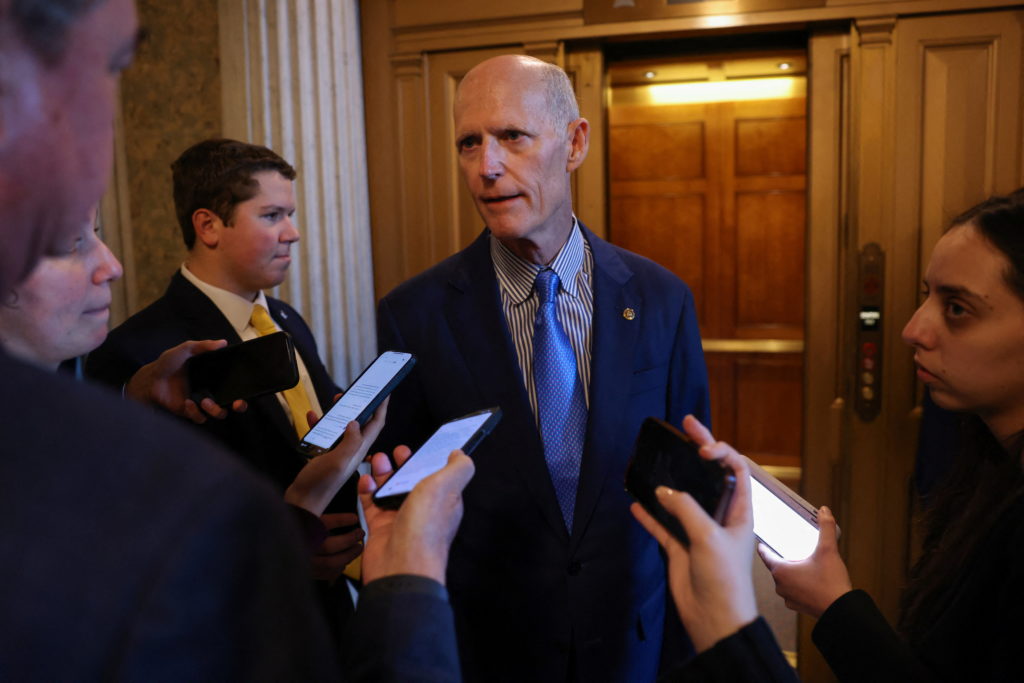
WASHINGTON – Republican senators are demanding a more detailed justification for a $1 billion security funding request from the White House, prompting a renewed debate about government spending priorities, particularly in light of ongoing cuts to crucial social programs. The request, which includes a staggering $220 million earmarked for security enhancements to the East Wing of the White House, specifically for a new ballroom, has raised eyebrows among fiscal watchdogs and advocates for social justice.
The senators' concerns, while ostensibly focused on fiscal responsibility, come against a backdrop of repeated attempts to defund programs that support vulnerable populations. Critics argue that the intense scrutiny applied to this security request stands in stark contrast to the often-unquestioned support for increased military spending or tax cuts for the wealthy.
"It's disheartening to see such intense scrutiny applied to a request for White House security when programs that provide food assistance, affordable housing, and healthcare for millions of Americans are constantly under threat of defunding," said a policy analyst at the Center for American Progress. "Where is the same level of detailed inquiry when it comes to providing for the basic needs of our communities?"
The Secret Service, tasked with protecting the President and the White House, has not yet provided a comprehensive public explanation for the necessity of the requested funds. The lack of transparency has fueled speculation and criticism, particularly regarding the significant allocation for the East Wing ballroom.
The proposed security upgrades come at a time when income inequality continues to widen, and social safety nets are being stretched thin. Advocates for social justice argue that the government should prioritize investments in programs that address poverty, homelessness, and healthcare disparities rather than lavish security enhancements for the already well-protected White House.
The congressional review process provides an opportunity to scrutinize not only the specific details of the security proposal but also the broader context of government spending priorities. Senators should demand a clear justification for the requested funds, including a thorough assessment of the potential impact on other essential programs.
The allocation of $220 million for a ballroom raises questions about the accessibility of the White House to the public. Critics argue that the focus on exclusive events and lavish renovations further isolates the executive branch from the everyday concerns of ordinary Americans.
The debate surrounding the White House security funding request highlights the ongoing struggle to balance security needs with social responsibility. Ultimately, the outcome of the congressional review will determine whether the government prioritizes the security of the elite or the well-being of the masses.
This debate needs to also consider the historical context of government spending on security versus social programs. Examining past budgets and the impact of shifting priorities can offer valuable insights into the long-term consequences of these decisions.
Sources:
* Center for American Progress * U.S. Government Accountability Office (GAO) * Congressional Budget Office (CBO)