GOP Threatens Black Representation in South Carolina with Redistricting Push
Republicans are exploiting a weakened Voting Rights Act to dismantle Rep. James Clyburn's district, jeopardizing decades of Black political power.
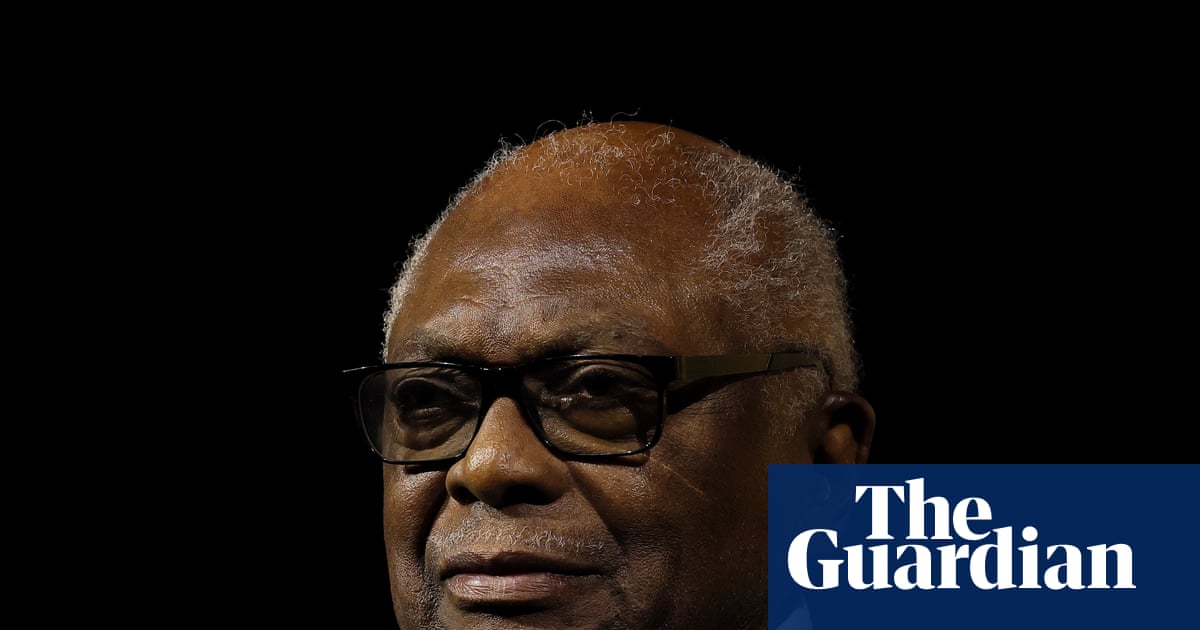
In what critics are calling a blatant attempt to suppress Black political power, South Carolina Republicans are moving to redraw the state's congressional map, directly threatening the seat held by Representative James Clyburn, the state's sole Black congressman since 1897. This move comes on the heels of a Supreme Court decision that has effectively gutted key provisions of the Voting Rights Act, paving the way for discriminatory redistricting practices.
Representative Clyburn's district, the sixth congressional district, is a testament to the struggle for civil rights in South Carolina. Stretching from the Georgia border through Charleston and into the Black Belt farmland, it encompasses a diverse range of communities, including the Gullah Geechee homeland, historically Black colleges, and some of the poorest counties in the nation. This district represents a hard-won victory for Black representation in a state with a deeply rooted history of racial discrimination.
The current district is the result of a 36-year-old agreement forged between civil rights leaders and the state's white conservative political establishment. However, emboldened by the Supreme Court's recent actions, former President Trump has reportedly urged Republican lawmakers to tear up this agreement and redraw the map to their advantage.
While an initial redistricting effort stalled in the state legislature, the threat remains very real. Governor Henry McMaster has convened a special session to consider the proposal, signaling the Republican Party's determination to push through these changes.
The history of redistricting in South Carolina is fraught with racial tension. In 1990, facing declining support from white voters, Democrats agreed to create a majority-Black congressional district in exchange for the support of the Black caucus. While this agreement resulted in the election of James Clyburn, it also contributed to the fracturing of the multiracial coalition that had previously sustained Democratic power at the state level.
Since taking office in 1993, Clyburn has been a tireless advocate for his district, bringing federal resources to address infrastructure needs, expand broadband access, and combat poverty. He has also played a crucial role in national Democratic politics, serving as a mentor and advisor to numerous presidential candidates. The potential loss of his seat would be a significant blow to Black representation and progressive values in South Carolina.